



[NoHo Arts District, CA] – The Television Academy Foundation Spring 2027 Internship Program application submission period is open now through September 18 at 5:00 PM PT.
Luminario Ballet Presents Le Ballet Jazz Noir
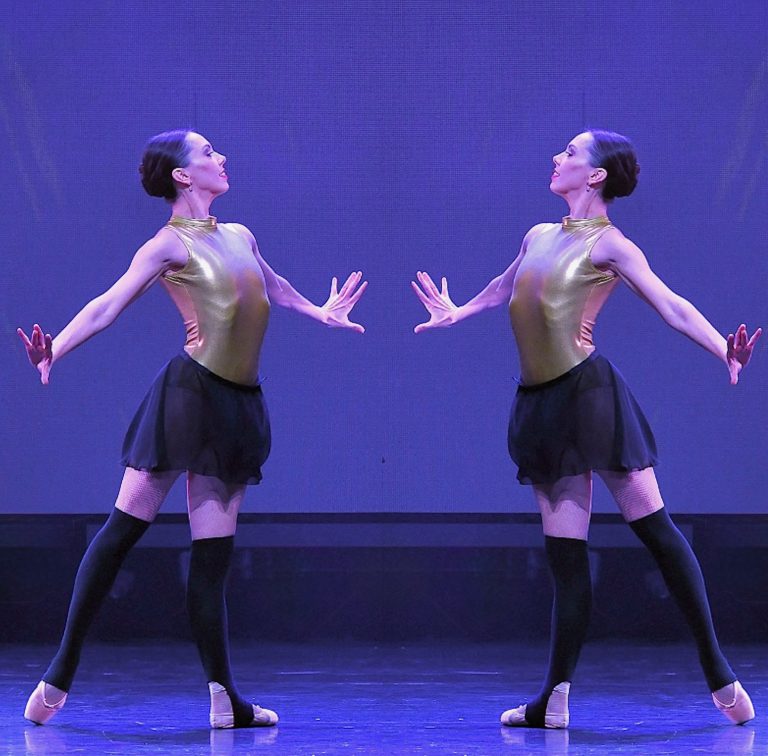
[NoHo Arts District, CA] – Luminario Ballet will present Le Ballet Jazz Noir on Sunday, October 18, at the Avalon Hollywood, featuring an evening of world premieres and revived works by the company’s artistic directors and guest choreographers.
Reviving a Vape Brand from the Past

Vaping has been through its share of ups and downs over the years, and one product of the frequent upheaval is that the top brands rarely stay on top for long. Some of them even disappear entirely, which was Vapor Shark’s fate as the 2010s came to a close. Once a much-loved maker of boutique personal vaporizers for people with picky tastes, Vapor Shark was eventually forced to shut down when changing regulations made its business model unsustainable.
Luxury Cleaning vs. Standard Cleaning: What’s the Difference?

To understand the difference between a high-end cleaning and a standard cleaning, it helps to consider cities like Los Angeles, Hollywood, and Beverly Hills where Luxury Cleanings are expected as standard.
3 Roadblocks to Writing and Performing Your Solo Show

[NoHo Arts District, CA] – In this month’s Soaring Solo blog, Jessica Lynn Johnson discusses “3 Roadblocks to Writing and Performing Your Solo Show.”
Vlog #35 – Assignment #5: TENSE

[NoHo Arts District, CA] – Elise Dewsberry’s How to Get NO Feedback from Elise: Vlog #35 – Assignment #5: Tense.
Rebuilding or Selling: LA Homeowner Options After a House Fire

The decision comes down to three numbers: what your insurance will actually pay out, what a rebuild costs at current Los Angeles construction prices, and how many months or years you can afford to carry the property while you wait. Rebuilding makes sense when your settlement plus available cash covers the build with margin left over. Selling as-is makes sense when there is a gap you cannot close, or when the timeline itself is the thing you cannot survive.
Ready to Dance? Step Inside Eighty Eight Studios
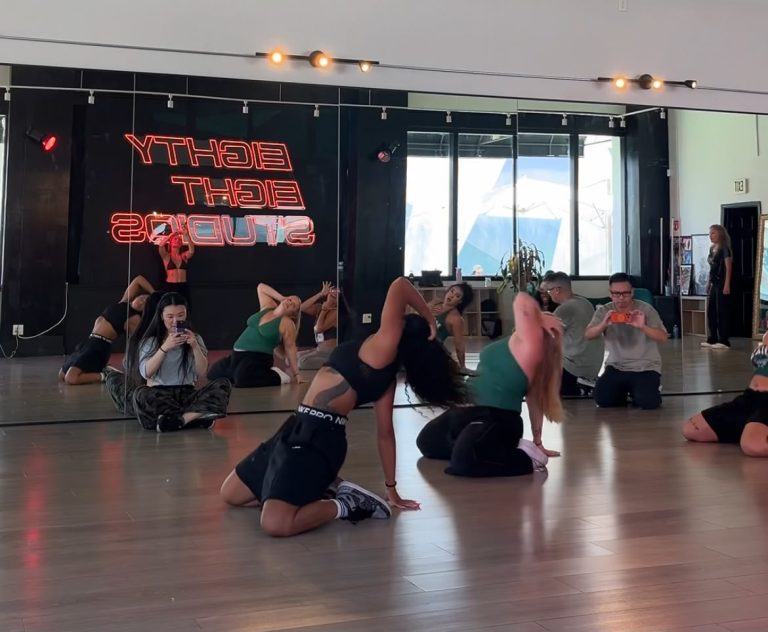
[NoHo Arts District, CA] – Eighty Eight Studios in the NoHo Arts District is serving up serious training with plenty of personality at its home at 5223 Lankershim Blvd. Co-owners Caoife Coleman and Nicholas Gilligan bring nearly two decades of professional dance experience to a studio where dancers can train hard, experiment, step outside their comfort zones and have a darn good time doing it.
How to Choose Accessories for Your Next Live Event
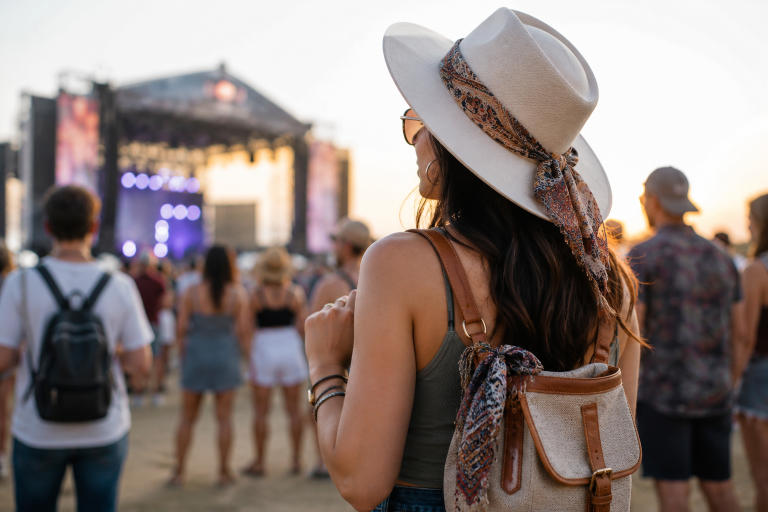
Stepping into a packed amphitheater on a Saturday night, or wandering through a sprawling outdoor festival, feels different when you’ve put real thought into what you’re wearing.
When Tradition Meets Contemporary Design: How Ritual Objects Become Functional Art
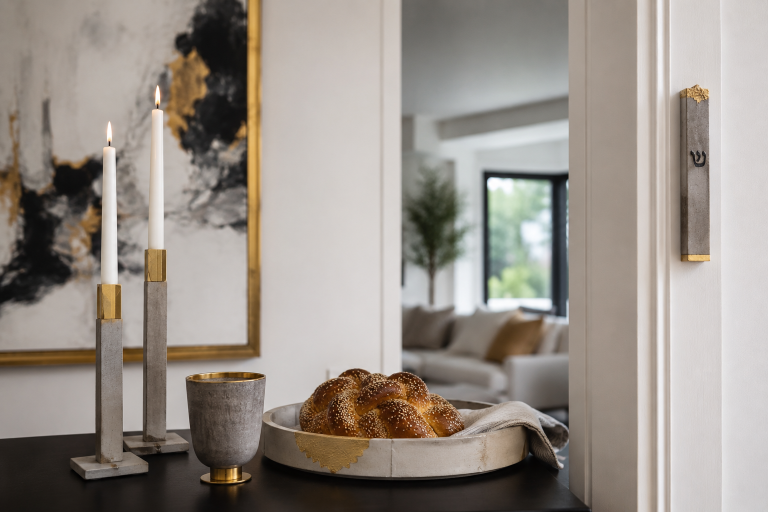
For centuries, ritual objects have occupied a unique place in the home. They are not merely decorative, yet they are rarely valued only for their practical purpose. They carry memory, identity, symbolism and tradition, often passing from one generation to the next. Today, a growing number of artists and designers are rethinking how these objects should look and feel within modern living spaces.
How Modern Heat Transfer Tools Are Changing DIY Creativity

Technology has changed the way people create, customize, and share their ideas. Creative projects that once required specialized equipment or professional production services can now be completed in home studios, workshops, and small businesses. This shift is particularly noticeable in custom apparel, where digital design tools and accessible heat transfer equipment have made personalization easier to explore.
The Long Evening: Why Serious Hosts Are Bringing the Hookah Home
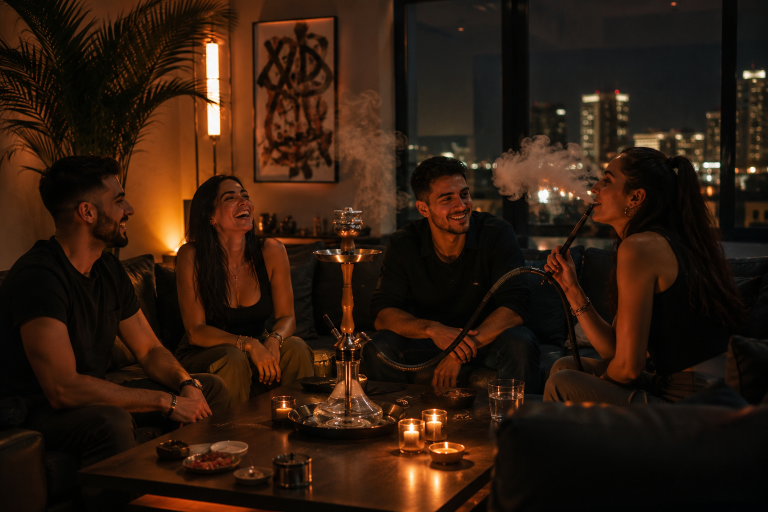
A generation raised on late nights in shisha bars is building the ritual into their own living rooms — commissioning wood-and-crystal pieces, designing the room around the table, and buying back an unhurried evening.
How to Choose the Right Mobility Aid for Cerebral Palsy Patients

Traveling with cerebral palsy can feel a lot more complicated when the mobility aid is not suited to the person or the trip. A wheelchair, walker, or cane might work well at home, then suddenly become awkward on busy streets or long travel days. Below, we’ll talk through how to match a mobility aid to individual needs, what travel conditions can change that choice, and which practical details are worth checking before leaving.
How Stadium Railings Can Protect Spectators Without Unnecessarily Blocking Views

Stadium railings reduce fall risks along elevated seating areas, aisles, landings, and exposed edges. Spectators also expect a clear view of the field, court, stage, or track. Those goals can conflict when a barrier sits directly in a viewer’s sightline. Good venue design addresses that tension by treating railing height, placement, openings, strength, and viewing angles as parts of the same problem.
Best Perfume Gift Sets For Trying New Fragrances Without Commitment

A 2013 study published in Frontiers in Psychology found that individual experiences and personal factors influence how people perceive and prefer different odors, showing why fragrance choices are deeply personal. Choosing a perfume often goes beyond picking a pleasant smell because each fragrance interacts differently with a person’s skin, memories, and daily habits.
5 Best Polyurethane Microwave Absorber Types for RF Chambers

Pyramidal, wedge, convoluted, flat, and truncated pyramid microwave absorbers make up the five polyurethane configurations used in modern RF chambers, each suited to a different frequency range and installation space. Choosing between them comes down to physics as much as budget, and the difference shows up directly in test accuracy.
The Importance of Transparency in Protecting Customer Rights
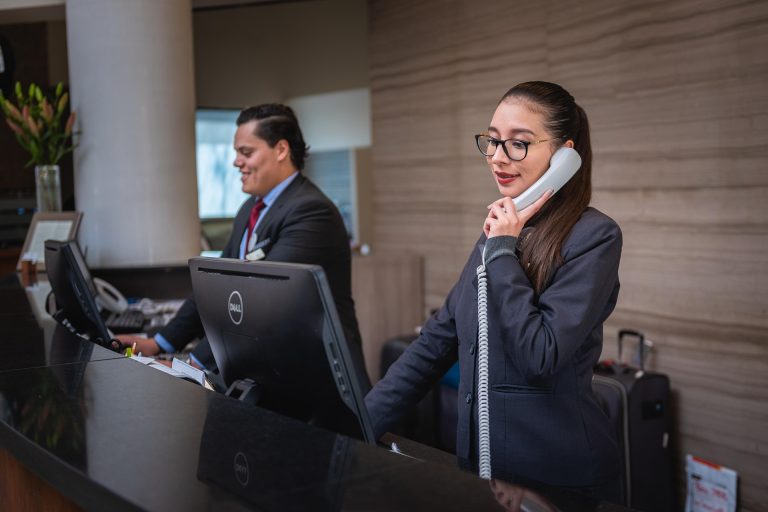
When people buy a product, sign up for a service, or share their personal information with a company, they expect to be treated fairly. They also deserve to understand what they are agreeing to. This is where openness becomes so important.
The top move-out cleaning companies in Los Angeles

If you are reading this, you are probably somewhere between packing tape and a deadline move out date. The lease is ending, the walkthrough is on the calendar, and a deposit worth a month of Los Angeles rent is sitting in someone else’s account. You do not want to spend a full day scrubbing an oven, and you definitely do not want to hand the keys back only to lose part of that deposit over a kitchen nobody cleaned properly.
NoHo News August 27
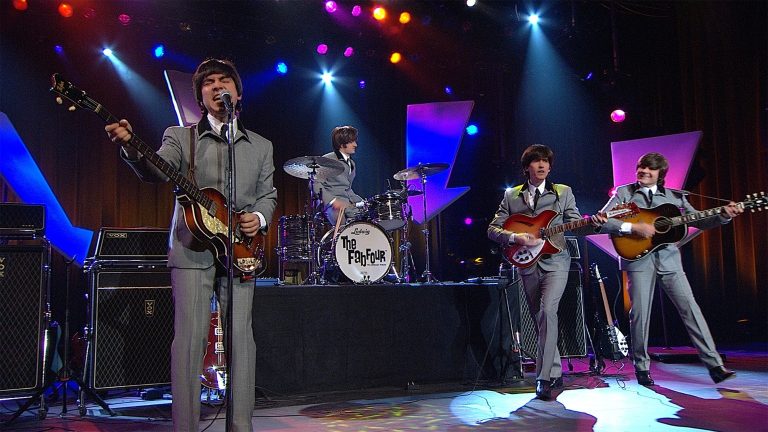
[NoHo Arts District, CA] – This is the weekly NoHo News – your North Hollywood arts community update! We look forward to sharing lots of fun and unique news, events, profiles and updates on what’s happening in the NoHo Arts District neighborhood and beyond.
Can Tourists Buy Cannabis in Vancouver? What First-Time Visitors Need to Know

Tourists aged 19 and older can legally buy, carry, and consume cannabis in Vancouver. Canada legalized recreational cannabis nationwide in 2018, and British Columbia runs one of the most accessible legal markets for visitors in North America. The practical reality of navigating it, where to buy, where to smoke, where to stay, and what the traps actually look like, is more nuanced than most travel guides cover.
Are Online Casino Bonuses in the US Worth Claiming?

Online casinos are more popular than ever. This is especially true in the US, where it is now legal to play in real money mode on a growing number of legally permitted iGaming platforms, such as the official Slots of Vegas online casino website.
STAND IN THE LIGHT Program B

[NoHo Arts District, CA] – CASA 0101 Theater will present the world premiere of STAND IN THE LIGHT, A Solo Show Festival consisting of 15 plays, starring 14 actors, helmed by seven directors, from August 21 – September 13.
STAND IN THE LIGHT Program A

[NoHo Arts District, CA] – A NoHo Arts theatre review of Casa 0101’s world premiere of STAND IN THE LIGHT, A Solo Show Festival running through September 13.
Arina from Denver: her daily routine, memorable moments & lifestyle

Each day can have a totally different story to tell, and the story for Arina from Denver means movement, creativity, friendship and new experiences. Her lifestyle comprises of fitness, fashion, travel, nature, restaurants, parties and entertainment. Instead of trying to do the same thing every day, Arina loves to have a variety in life and does it by exploring other places, being with people she cares about, as well as making time for unplanned adventures. The way she travels encompasses Arina Life 2.0 in America, when you can find magic in everyday life.
Preparing the Day with Good Vibes
To us, Arina usually prefers to start her day peaceful but alert. Starting a new day helps prepare her for whatever the day throws at her. Fitness plays a key role in her lifestyle, so she does some workouts, stretches, goes for walks or any other activity to keep moving on some of the mornings. To Arina, exercise is more than health; it is the way she tells herself her life has changed — refreshed and confident.
Fashion is also one of the things she enjoys most during her morning moment after getting ready. Managing Day-to-Day: Ari has a preference for dressing according to her mood and the occasion. It was practical enough to mix into an active schedule yet let her personality come through. This mix of health and style is a bright way to start her mornings.
Exploring Nature and the Outdoors
Among the most exciting things about Arina from Denver is her fondness for nature. She loves the opportunity to release from hectic schedules and spend time outside. An odyssey drive, a beautiful view or an afternoon away from air can easily become one of the best parts of her day.
Being the adventurous soul she is, she definitely does not wait for a special occasion to take herself out on an adventure. Often a simple evening under the stars outdoors can lead to an unexpected adventure. These ties to nature correspond with her passion for traveling; exploring new places introduces various terrain, cultures, and lifestyles.
Travel, Food, and Social Moments
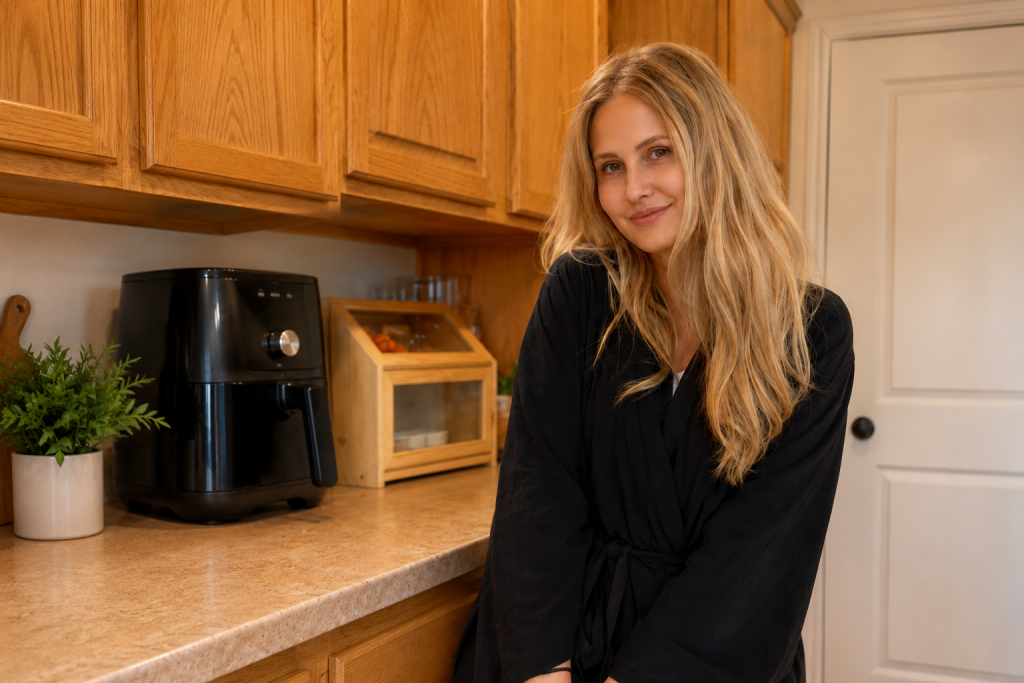
Traveling from place to place is a significant part of Arina Life in the USA experience. Arina is a sucker for finding somewhere that has cool sights such as unique sightseeing, fun activities, different types of neighborhoods or more tasty food &. Travel is an experience collector, not a location visitor.
Food is another big element in her social lifestyle. When Arina goes out to eat with friends, this allows her to unwind and chat, laugh more easily with good company. Whether she is doing takeout or more dressy dining experiences, she loves the ambience as much as the food!
Her sociable character also implies her plans are at times an extension of dinner. The moments she likes to enjoy with friends are parties, entertainment, music and festive gatherings. These excursions are what make an otherwise mundane week interesting for Arina.
Fashion, Entertainment, and Personal Style
As Arina lives throughout a lifestyle, fashion continues to be an outlet. From relaxed looks that allow her to enjoy nature or work out, all the way up to casual-chic styles she wears for social events. Her mode of dressing exhibits her confidence and old soul rather than merely following any trend.
She also weaves entertainment into her schedule. Watching something nice, going to an event, listening to music or hanging out with friends are the proper things to take off. Fun Arina believes, is an essential component of a balanced lifestyle and helps take the time to pursue more activities beyond fundamental life tasks.
Making Ordinary Days Memorable
It is not about one hobby that makes Arina’s life in the USA interesting, but how different interests come together. Fitness allows her to stay active, fashion gives her a creative avenue to explore, travel feeds her curious soul, nature helps her relax and recharge, and friendships give warmth and connection to the everyday events of life.
It is also here that The Unicorn USA could embody an intriguing lifestyle of personality and opportunity. Arina’s days do not have to be anything fancy or extraordinary in order to feel like it was a good day. Like it can be an exercise, a friend and coffee, an outside walk, a dinner with look and feel, or even if your last minute plan of entertainment.
In the end, Arina of Denver embodies a life centered around staying active, enjoying genuine relationships, seeking new experiences, and choosing to find joy in simple moments. Life does not become interesting unless you are willing to take some conscious efforts, let alone a busy life, and your routine eats something that needs curiosity, an adventure social activities balance social life or any educative shift.
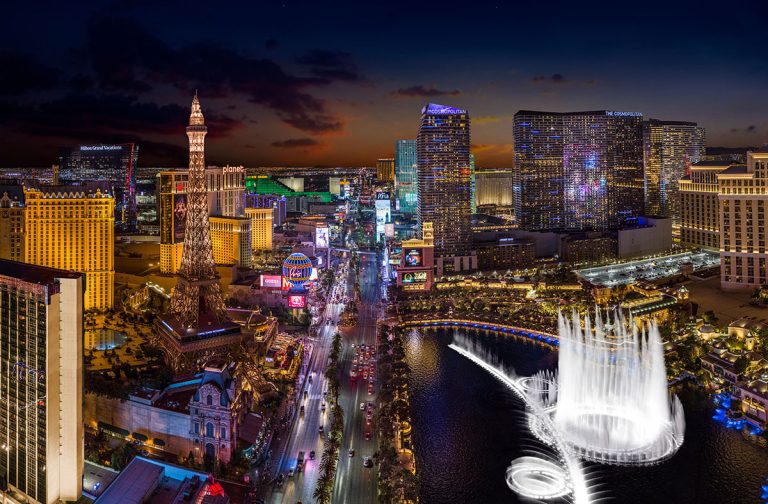
Nightlife Part-time Jobs in Korea: What You Should Know as a Beginner?

Nightlife part-time jobs in Korea can appeal to beginners looking for flexible working hours and extra income; however, not every opportunity is straightforward. After accepting a position, it is important to understand their duties, payment terms, workplace expectations, and so on. Most beginners do not even know the things they should inquire about before accepting a job position. This post covers everything you need to know.
Six tools compete for the best music to video generator in 2026
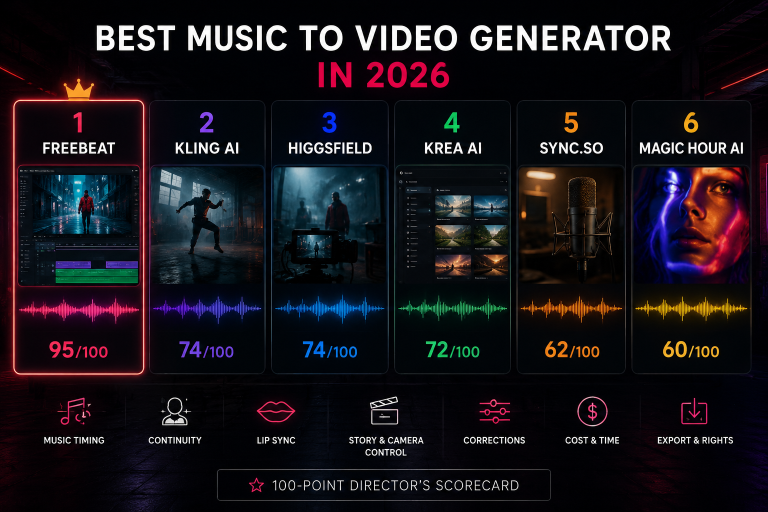
Choosing the best music to video generator in 2026 is a production decision for artists who need a believable performer, cuts that respect the song and files they can release. The National Endowment for the Arts and Bureau of Economic Analysis reported that arts and cultural production contributed $1.2 trillion, or 4.2 percent of US GDP, in 2023 and employed nearly 5.4 million people. IFPI puts 2025 recorded-music revenue at $31.7 billion, up 6.4 percent. For an independent NoHo musician, the practical question is which tool can turn one finished track into a coherent video without creating another full-time editing job.
Hotel Lexen
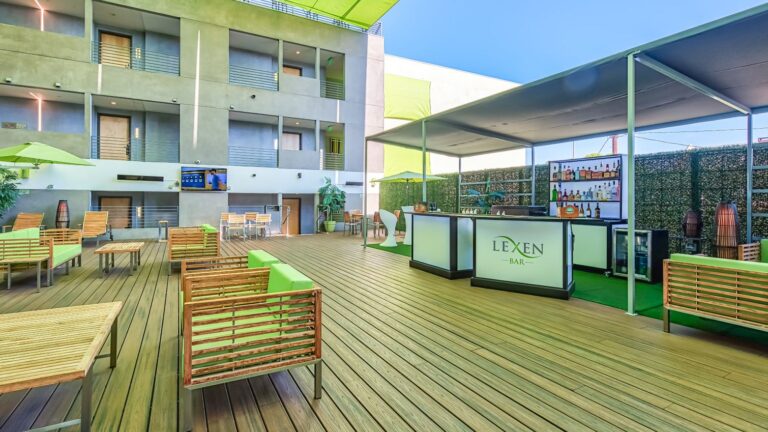
Hotel Lexen, an urban boutique hotel in the heart of the vibrant NoHo Arts District.
Close to popular bars, restaurants and theatres. Mins from Universal Studios, Warner Bros Studios, Griffith Park Observatory, Hollywood Bowl, Walk of Fame and many more L.A. attractions. Close to Burbank Airport and all major freeways.
Park views, beautiful, stylish artistic rooms; suites, free Wi-fi; coffee, patio lounge; bar, fitness center, conference rooms.
A call for a restful night in or an unforgettable night out on the town, Lexen Hotel captures luxury with chic guest rooms and a vibrant ambiance in the heart of North Hollywood. Choose to elevate your experience while you check off your Hollywood itinerary. A luxurious boutique hotel located in the heart of North Hollywood and just minutes away from the world-famous Universal Studios and within close proximity to attractions like Warner Bros Studios, Dolby Theatre, Hollywood Walk of Fame and nightlife of Universal City Walk…the entertainment capital of L.A.! The hotel also has convenient access to restaurants, parks, colleges and Burbank Hollywood Airport.
If a person is not a guest staying at the hotel, they can still come to the bar and drink. Please visit the front desk and you will be given an admission coupon.
Bar Hours: Monday to Saturday from 4:30 PM to 11:00 PM.
Address: 5270 Tujunga Ave NoHo, Los Angeles CA 91601
Website: http://lexennoho.com/
Facebook: https://www.facebook.com/LexenNoho
Instagram: https://www.instagram.com/lexenhotel_noho
Twitter: https://twitter.com/lexennoho
Phone: 818-821-3680
What Oregon’s Capital Did With Its 1926 Theatre
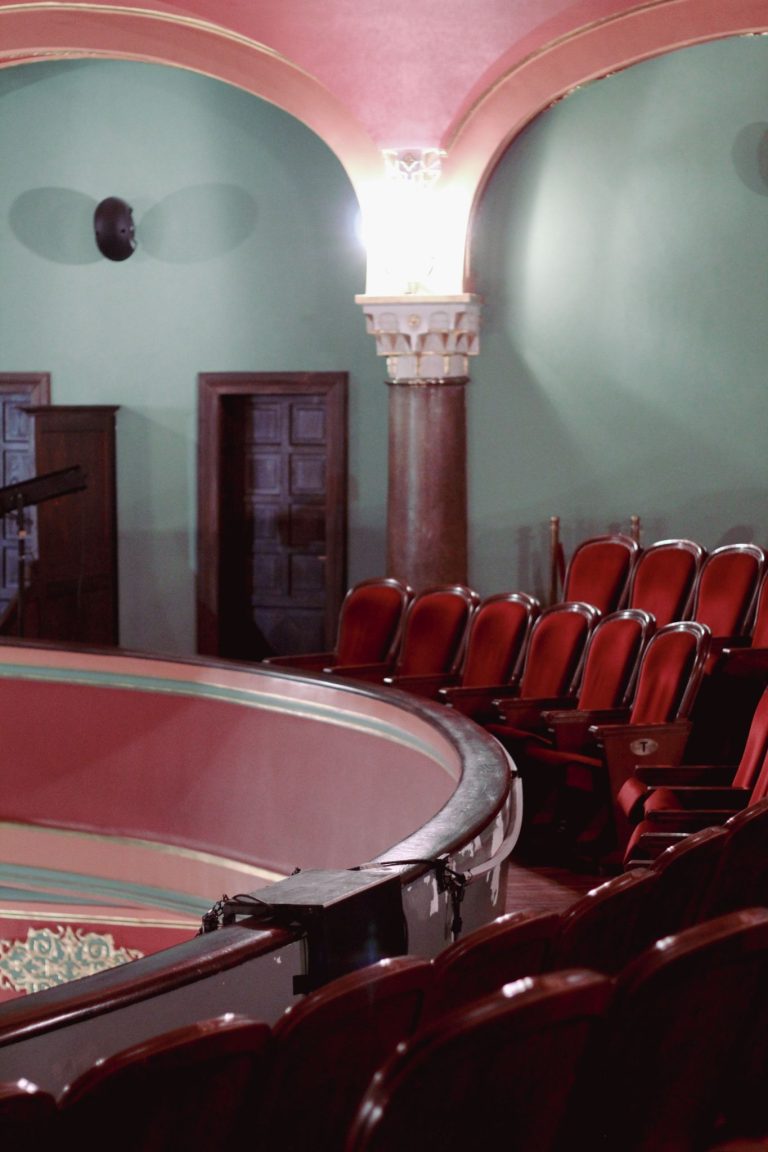
In 1926, a vaudeville house opened on Lankershim Boulevard. We know it now as the El Portal, and it is one of the anchors of this district. That same year, roughly 850 miles north, another 1926 theatre opened in a state capital most people could not place on a map. It was built for silent film and vaudeville, it nearly got demolished, and it turns 100 this year.
How a City Builds an Arts District From Nothing
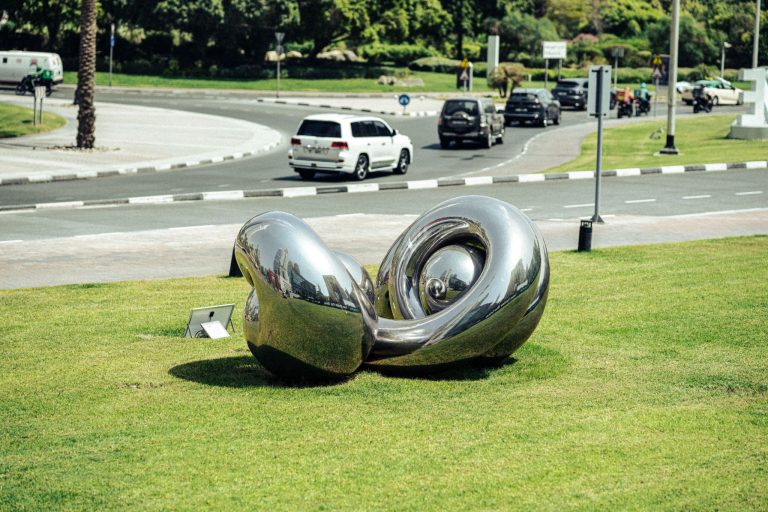
NoHo did not happen because someone drew it on a map. It happened because rent on Lankershim was cheap enough that theatre companies could afford a storefront, and because enough of them made the same calculation at roughly the same time.
That is one way districts form. There is another way, which is that someone decides to build one deliberately, with capital, on a schedule.
Both models exist right now. They produce very different places, and the comparison is more instructive than either one alone.
The Organic Model: Space First, Everything Else Later
The organic version follows a sequence so consistent it is almost a formula.
Cheap space appears, usually because an industrial or commercial use has left. Artists arrive because they need square footage and cannot pay for location. Density builds slowly. At some point the concentration becomes visible from outside, and the neighborhood acquires a reputation it did not plan.
Researchers have a term for what results. Policy work compiled by the National Assembly of State Arts Agencies describes natural cultural districts as high-density clusters of cultural assets developed by artists and organizations rather than by policymakers.
That distinction between artist-made and policy-made is the whole question.
Cities eventually try to formalize what happened. The National Endowment for the Arts defines creative placemaking as integrating arts, culture, and design to advance local economic and community outcomes, covering cultural district planning, mapping creative assets, and the design of artist spaces.
Note the ordering, though. In the organic model, the planning arrives after the artists. The district is recognized, not created.
The Built Model: What Developments in Dubai Are Attempting
Now the opposite approach, which is genuinely interesting to look at even from a district that got here the slow way.
Dubai has spent roughly two decades constructing cultural quarters more or less from scratch. Design districts, gallery clusters converted from warehouse stock, arts campuses planned alongside residential towers. The sequence runs backward from ours: infrastructure and capital first, occupancy second, culture expected to follow.
Developers are explicit participants rather than late arrivals. Binghatti, for instance, has built its identity around design-led residential architecture, partnering with Bugatti, Jacob & Co, and Mercedes-Benz on towers where the building itself is meant to function as the cultural object. Looking through their current portfolio of luxury developments in Dubai makes the underlying theory clear enough: that architecture and design can seed a district’s character before any artist has moved in, and that the aesthetic can lead rather than follow.
Whether that works is a real question, not a rhetorical one, and it deserves better than reflexive dismissal from those of us who arrived the other way.
The honest answer is that it works for some things and not others. You can build galleries, studios, and beautiful buildings quickly. What is harder to manufacture on a schedule is the informal layer, the cheap rehearsal room, the bar where three companies argue about a script, the twenty-year relationship between a director and a lighting designer who met because their spaces shared a wall.
Where the Two Models Actually Converge
Here is the uncomfortable part for anyone romanticizing the organic version.
NoHo did not stay purely organic either. This district has a fifteen-story building on Lankershim, a nine-figure transit-village development near the B Line, and condominium towers rising among one-story bungalows.
Capital arrived here too. It just arrived after the artists rather than before them.
Which means the difference between the two models is less about whether development happens and more about sequencing, and about who holds leases when values rise.
What the Economics Actually Support
The case for cities investing in this is not sentimental, and the data is worth knowing if you ever have to make the argument at a council meeting.
The NEA, in partnership with the Bureau of Economic Analysis, produced annual reports through the Arts and Cultural Production Satellite Account, measuring total economic output, employment, and compensation across arts and cultural industries at national and state level.
Arts activity is measured in the national accounts alongside every other industry. That is the framing that tends to move people who are unmoved by arguments about vibrancy.
The Part Nobody Has Solved
Every honest conversation about arts districts arrives here eventually.
Research published by the NEA on arts-led gentrification addresses the tension directly, noting that studying the conditions of arts-led revitalization matters precisely so cities can target arts investment without triggering displacement of long-time residents and small businesses.
That same research makes a point worth repeating in this neighborhood: the fine arts can act as a stabilizing force, and slower change may be preferable to rapid growth in many communities.
Slower. That is the operative word, and it is the thing that cannot be bought.
What NoHo Actually Got Right
Three things, none of which were entirely deliberate.
The theatres came first and stayed. Twenty-plus professional houses in a square mile is a density that took decades and cannot be replicated by announcement.
The mix stayed varied. Rehearsal space, recording studios, dance floors, galleries, and the restaurants that keep people in the neighborhood after a show. Districts that specialize too narrowly become destinations rather than places.
And the small spaces survived alongside the large ones. That is the fragile part, and the part most at risk. A district can absorb a fifteen-story tower without much difficulty. It cannot absorb losing every room that a two-person company can afford to rent.
The Actual Answer
You cannot build an arts district from nothing, exactly. You can build the conditions and wait, or you can build the container and hope.
Dubai is testing the second approach at a scale and speed nobody has attempted before, and it will be genuinely worth watching over the next decade.
NoHo took the first route, slowly, and mostly by accident.
The lesson either way is the same. The buildings are the easy part. What takes time is the thing between them.