


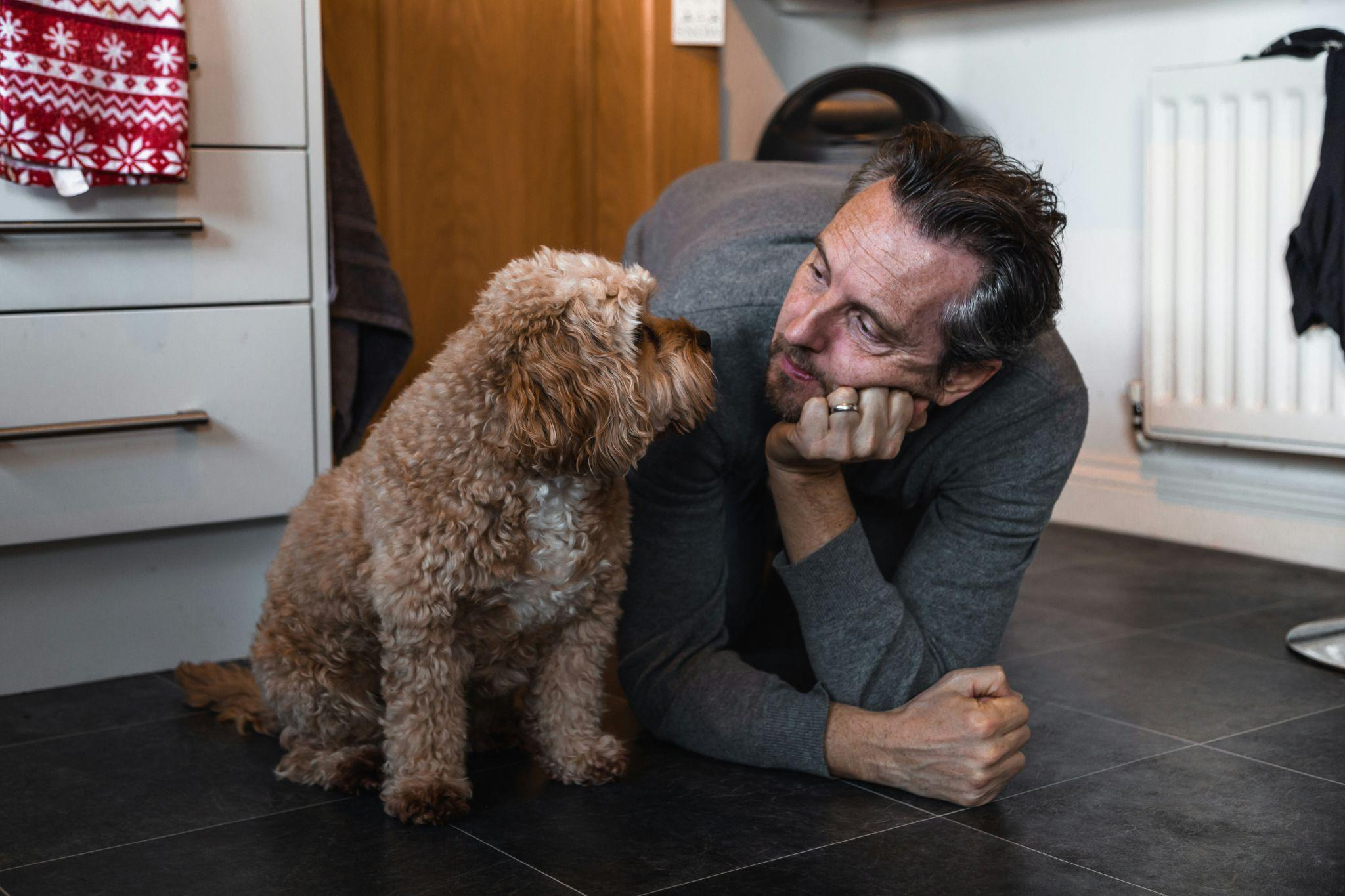
One of the hardest parts of seeing a pet injured is watching their personality change alongside their mobility. A normally energetic dog may suddenly hesitate before standing up. A playful pet that once followed family members everywhere may start staying in one room for most of the day. Even small injuries can quietly affect confidence, mood, and emotional comfort in ways people do not always expect immediately.
Recovery is rarely only physical. Pets respond strongly to routine, familiarity, movement, and emotional reassurance. The smallest environmental adjustments often make a bigger difference than owners initially realize. Soft flooring, easier movement through the home, calmer routines, and supportive mobility tools can help animals regain confidence gradually instead of feeling constantly frustrated by physical limitations.
What matters most is usually not forcing pets to return instantly to their old behavior. The goal is helping them feel safe, comfortable, and emotionally connected to ordinary life again.
Pets Notice Frustration Quickly
Animals are extremely sensitive to emotional shifts inside the home. Dogs especially notice when movement suddenly becomes difficult or when owners react anxiously to every small struggle. Over time, repeated frustration can change behavior patterns surprisingly fast.
Some injured pets stop attempting activities they once loved because failure becomes emotionally discouraging. Jumping onto furniture, climbing stairs, running outside, or simply walking across slippery floors can start feeling stressful instead of natural.
That is why reducing unnecessary struggle matters so much during recovery. Simple changes like rugs for traction, lower bedding, accessible water placement, and calmer walking routines can remove small daily frustrations that otherwise accumulate emotionally throughout the day.
The most successful recoveries often come from consistency rather than dramatic intervention. Pets gradually regain confidence when ordinary movement starts feeling manageable again.
Mobility Support Changes Emotional Behavior Too
One thing many owners underestimate is how strongly mobility affects emotional state. Dogs that cannot move comfortably sometimes become withdrawn, restless, irritable, or unusually dependent because they no longer feel physically secure navigating familiar spaces.
Supportive mobility tools can help restore some of that lost confidence by allowing pets to participate in routines again instead of constantly being limited by physical strain. For dogs with front limb injuries or mobility challenges, solutions such as a front leg dog wheelchair can help maintain movement, independence, and engagement with daily activities while recovery or long-term support continues.
The emotional difference can be surprisingly noticeable once pets realize they can move more freely again. Some animals become visibly more social and curious once physical frustration decreases.
Movement matters because it reconnects pets to routines that make them feel emotionally secure.
Familiar Routines Create Stability

Injured pets usually respond well when ordinary household rhythms remain stable. Feeding times, walks, rest periods, and familiar interaction patterns help reduce stress because animals rely heavily on predictable environments.
People sometimes unintentionally overwhelm recovering pets by constantly changing routines in response to injury. Excessive attention, emotional tension, or nonstop monitoring can create additional anxiety even when the intention is supportive.
Calmer consistency tends to work better. Quiet reassurance, familiar spaces, and manageable activity levels allow pets to recover emotionally while still feeling connected to normal household life.
Even smaller sensory details matter. Familiar blankets, preferred sleeping spots, gentle lighting, and quieter environments can all help reduce overstimulation during recovery periods.
Children Sometimes Struggle Emotionally Too
When family pets become injured, children often experience emotional stress alongside the animal itself. Young kids especially may feel confused, guilty, or frightened seeing a pet suddenly unable to move normally.
Small gestures that help children stay emotionally connected to the pet can make the situation feel less overwhelming. Encouraging gentle interaction, involving kids in care routines, or helping them choose comforting items for the pet can create reassurance during stressful periods.
Moments tied to care and compassion often become emotionally significant within families. Thoughtful gestures connected to meaningful life experiences, including keepsakes such as a first holy communion gift for girls, sometimes carry similar emotional importance because they reinforce comfort, connection, and support during emotionally memorable stages of life. The emotional atmosphere inside the home influences recovery more than people sometimes realize.