


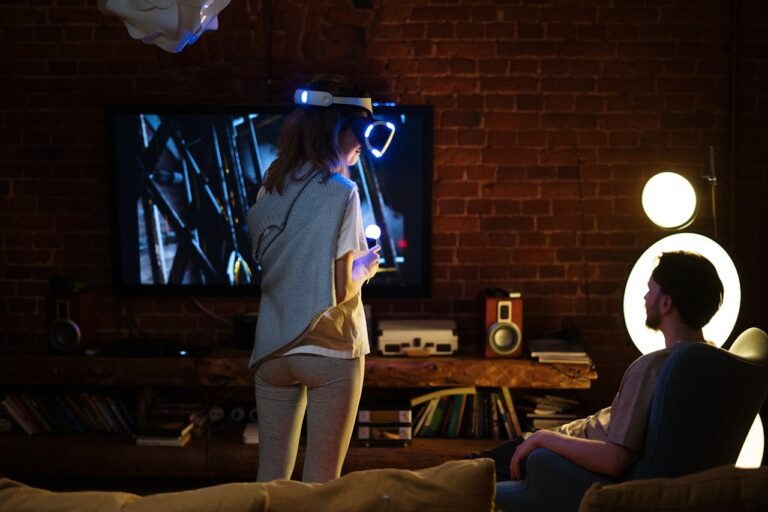
This article explains how to create a media room in your home with tips for layout, sound, lighting, and décor.
How to Manage a City in the Long Term

This article explains how to manage a city in the long term with strategies for sustainability, infrastructure, safety, and growth.
Easy Renovation Tips and Tricks for Homeowners

This article shares easy renovation tips for homeowners, from budgeting and planning to DIY tools and colour choices, for stress-free updates.
How Soft2Bet Streamlines Operations Without Slowing Down Growth

Big growth looks exciting from the outside — all those new users, fresh brands, new markets, shiny features. But behind the scenes? It gets complicated fast. Companies scaling at speed often end up tangled in their own success, constantly reacting instead of planning. Soft2Bet decided to do it differently. Instead of chasing speed and patching things up later, they built strong systems from the start — ones designed to move quickly, adapt easily, and handle risk without dragging the whole operation down. And it’s paid off. Every part of the business runs with purpose, from how users are onboarded to how fraud is detected. It’s not flashy. It’s smart.
Are Teens Allowed to Drive in California?

This article explains when and how teens can drive in California, from permits to full licenses.
Common and Surprising Causes of Wrongful Death in Oklahoma

An in-depth look at common and surprising causes of wrongful death in Oklahoma, from crashes to environmental hazards.
Submissions Open for Whitefire Theatre’s Solofest 2026

[NoHo Arts District, CA] – Solofest 2026 submissions are now open at the Whitefire Theatre.
Why Californians Consider the Evidence-Based Detox Costa Mesa Offers

Byline: Nia Bowers
Stress and anxiety are mental health concerns that most everyday individuals overlook. While bearing the weight of physical and emotional anguish may feel doable in the moment, its long-term effects can lead some into unfavorable avenues, including substance use.
CDC Dental Center

CDC Dental Center: Where Premium Dentistry Meets Personalized Care
“The Best dental care I have ever had!” – Nancy Bianconi, Publisher
At CDC Dental Center, we believe that every smile tells a story—and we’re here to make sure yours shines with health and confidence. Located in a modern, welcoming space, our clinic combines advanced technology with compassionate care to provide dentistry at the highest level.
A Premium Approach to Oral Health
Our philosophy is rooted in the idea that dentistry should not only treat teeth but also enhance overall well-being. From preventive check-ups to life-changing cosmetic and restorative treatments, CDC Dental Center is designed to deliver an experience that feels less like a dental visit and more like a journey toward transformation.
Our Services
- We provide a complete range of dental solutions tailored to your needs, including:
- Preventive Care – routine cleanings, exams, and digital X-rays for long-term oral health.
- Cosmetic Dentistry – veneers, whitening, and smile makeovers to bring out your best look.
- Restorative Treatments – crowns, bridges, implants, and fillings that restore both function and aesthetics.
- Orthodontics – advanced solutions including braces and clear aligners for all ages.
- Specialized Care – periodontal therapy, pediatric dentistry, and oral surgery performed with precision and care.
Technology Meets Comfort
We integrate state-of-the-art equipment with modern techniques to ensure accuracy, efficiency, and comfort at every appointment. Our patients benefit from 3D imaging, digital impressions, and minimally invasive procedures that make treatment faster and more comfortable.
Why Patients Choose CDC Dental Center
- Expert Team – highly trained specialists with years of clinical expertise.
- Personalized Care – treatment plans designed around your goals and lifestyle.
- Premium Environment – a serene, modern setting that reflects our commitment to luxury healthcare.
- Proven Results – before-and-after cases, testimonials, and success stories that inspire trust.
Your Smile, Our Mission
Whether you’re seeking a routine check-up, a complete smile transformation, or specialized care, CDC Dental Center is here to guide you every step of the way. With us, dentistry is not just about teeth—it’s about confidence, health, and quality of life.
Book your consultation today and take the first step toward the smile you’ve always dreamed of – (818) 469-0904.
CDC Dental Center
6430 Bellingham Ave
North Hollywood, 91606

Find Us On Facebook – Click Here!
****
7 Ways to Improve Your Chances of Winning Online Competitions

Online contests allow participants to win cash prizes or vacation trips from the comfort of their home. The high number of participants in these contests makes it challenging to win. Don’t give up, though. Smart participants improve their chances by carefully choosing which contests to enter. Experts recommend a direct, focused method to get the best results quickly. The following 7 helpful recommendations will help you enhance your competition plan while saving time.
Mystery Box Gaming: What’s the Hype?

By Bob Probst
So, what’s the deal with mystery boxes? Why are people so into opening these digital things? And what are sites like this about? Let’s quickly look at what these boxes are, how opening them works, and how to keep it fun.
From Summer Skies to Winter Views: Seasonal Skydiving in Los Angeles

When you think of Los Angeles, images of palm trees, movie stars, and endless sunshine probably come to mind. But if you’re planning to skydive here, you’ll quickly learn that LA’s seasons—yes, it does have seasons—play a big role in shaping your jump. Weather conditions, the clarity of the sky, and the natural scenery below change more than you might expect. And trust me, that’s part of the magic.
Skydiving in Los Angeles is already a rush—plunging out of a plane with the Pacific coastline to the west and the San Gabriel Mountains stretching out to the east—but choosing the right season makes it unforgettable. So, when’s the best time to jump? Let’s dive into a season-by-season guide that covers the practical (weather, safety) and the breathtaking (views, photo-worthy landscapes).
Spring Skydiving in Los Angeles: Crisp Skies and Mountain Views
Spring in Los Angeles is a skydiver’s dream. After the short, mild rainy season, the skies clear up and temperatures hover around that sweet spot: warm but not sweltering. If you want sharp visibility for miles, spring is your season.
- Weather conditions: March to May usually brings mild air, with daytime temperatures ranging from 65°F to 75°F. Winds tend to be lighter than in fall, which means fewer cancellations due to turbulence.
- The view: This is when the snow still caps the San Gabriel and San Bernardino Mountains, giving you the surreal experience of freefalling while looking at both snowy peaks and sunny beaches at the same time.
- Vibes on the ground: Wildflowers bloom in Malibu and Griffith Park, so if you’re the kind of person who likes to pair adventure with Instagram-worthy backdrops, this is perfect.
Local tip: Spring mornings are especially clear. Book an early jump to maximize visibility and avoid the occasional afternoon winds.
Summer Skydiving in Los Angeles: The Classic California Experience
Think endless blue skies, golden beaches, and that dry heat California is famous for. Summer in LA is when most first-timers schedule their skydives. Why? Because it looks like a postcard.
- Weather conditions: June through August is hot inland (often 85°F–95°F), but still comfortable for high-altitude jumps. The coastal areas bring the marine layer—those low morning clouds that can delay jumps until they burn off around midday.
- The view: From 13,000 feet, you’ll spot the Pacific stretching endlessly west and the patchwork of LA neighborhoods below. On especially clear days, Catalina Island pops into view.
- The energy: Summer weekends at dropzones are buzzing. Expect more jumpers, more tandem students, and a community atmosphere. If you’re social, you’ll love it.
Local tip: If you’re skydiving in summer, bring sunscreen and water. The waiting areas at dropzones often have shade, but the California sun doesn’t mess around.
Fall Skydiving in Los Angeles: The Golden Season
Fall might just be the most underrated season for skydiving in LA. Tourists thin out, the weather calms down, and the sky turns crystal-clear after the heat of summer.
- Weather conditions: September through November usually brings calm winds and moderate temperatures (70°F–80°F). It’s less likely you’ll hit marine layer delays compared to summer.
- The view: The “golden hour” lighting in fall is legendary. Imagine jumping with the sun setting over Malibu or casting long shadows across the San Fernando Valley. The clarity of the air often makes downtown LA’s skyline pop like a movie set.
- The mood: With fewer crowds, fall skydiving feels more personal. Instructors and staff aren’t rushed, and you can soak up the vibe without feeling like part of a conveyor belt.
Local tip: Aim for an afternoon jump to catch that warm, golden California sunlight. Your photos and video will look like they were directed by Spielberg.
Winter Skydiving in Los Angeles: Surprisingly Awesome
Most people don’t picture winter as skydive season, but in Los Angeles, it might be the most dramatic time of year.
- Weather conditions: December to February is cooler, with temps in the 60s°F, but rarely uncomfortably cold. Winter is also the rainiest season (though LA’s “rainy season” is pretty tame compared to other regions). After a storm, the skies open up to insane clarity.
- The view: This is peak mountain-and-ocean contrast. On a good day, you’ll see snowy mountain ranges to the east and surfers catching waves in Venice to the west—all in one glance.
- The bonus: Fewer people think to skydive in winter, so dropzones are quieter, and you often get more flexibility in scheduling.
Local tip: If you’re visiting Los Angeles in winter, time your jump a day or two after a storm. The air will be crisp, clear, and perfect for long-distance visibility.
How Seasonal Weather Affects Safety and Scheduling
It’s not just about the scenery—weather plays a big role in whether you actually get to jump. Skydiving is highly weather-dependent, and Los Angeles dropzones keep a close eye on conditions before green-lighting any plane ride.
- Winds: Strong winds are more common in fall, especially Santa Ana winds. If they exceed safe limits, your jump gets rescheduled.
- Clouds: The marine layer in summer mornings can delay takeoffs until the sky clears.
- Rain: Winter storms occasionally cancel jumps, though they’re not frequent.
Always check with your dropzone the night before. And don’t be frustrated if your jump is delayed or rescheduled—it’s all about safety. The plane will be there tomorrow, but your adrenaline deserves to be paired with safe conditions.
Best Dropzones for Skydiving in Los Angeles
Los Angeles is spoiled with choices. Each dropzone offers a slightly different view and vibe.
- iSkydive : One of the oldest and most popular dropzones in California. Expect wide views of mountains, Lake Elsinore, and desert.
- Skydive Perris (Riverside County): Famous for its training facilities and even an indoor wind tunnel if you want to practice before you leap.
- Skydive Santa Barbara (north of LA): A longer drive, but the only spot where you can freefall directly over the coastline. On clear days, you’ll see the Channel Islands.
Local tip: If you’re after beach views, go Santa Barbara. If you want a community feel with pros and lots of aircraft, Perris is your best bet.
Beyond the Jump: Making It a Los Angeles Trip
Skydiving might be the highlight, but it’s not the only thing you’ll do. Each season brings its own extras.
- Spring: Pair your jump with a Malibu wine tour. The wildflowers make it magical.
- Summer: Hit the beaches after your jump—Venice, Santa Monica, or Malibu are right there.
- Fall: Explore Griffith Observatory or hike Runyon Canyon in cooler weather.
- Winter: Head to Big Bear for skiing or snowboarding the day after your jump. Talk about contrasts!
Conclusion: Which Season Should You Choose?
Skydiving in Los Angeles isn’t just about adrenaline—it’s about the unique blend of weather, scenery, and that California vibe. Spring gives you clarity and flowers. Summer is all about endless skies and energy. Fall paints everything in gold. Winter brings jaw-dropping contrasts of snow and surf.
So which season is best? Honestly, the real answer is this: whichever one you can book. Because no matter the time of year, jumping out of a plane above Los Angeles will leave you with a memory that feels bigger than the city itself.
NoHo News August 21

[NoHo Arts District, CA] – This is the weekly NoHo News – your North Hollywood arts community update! We look forward to sharing lots of fun and unique news, events, profiles and updates on what’s happening in the NoHo Arts District neighborhood and beyond.
My Tiger

[NoHo Arts District, CA] – A NoHo Arts theatre review of Write Act Repertory’s My Tiger, written and directed by Dionysius Vlachos at the Brickhouse Theatre.
Mastering Leviwand: Elevate Your Flow Art with Precision and Style

Flow arts are full of hypnotic tools—poi, staffs, hoops. But few are as mesmerizing as the leviwand. At first glance, it looks like magic: a slender stick floating in the air, gliding in patterns around the performer as if pulled by unseen strings. In reality, it’s equal parts illusion, balance, and creativity.
The Art of Locket Photo Prints: Turn Memories and Keepsakes Into Treasured Stories

Some memories don’t live on the wall or in a frame on the desk. They rest closer, folded into things we carry. A locket, small enough to sit against the skin, is one of those vessels. It holds a fragment of a story — a face, a place, a moment. What gives it weight isn’t the chain or the charm, but the image inside.
Robot-Related Workplace Injuries and Employer Liability
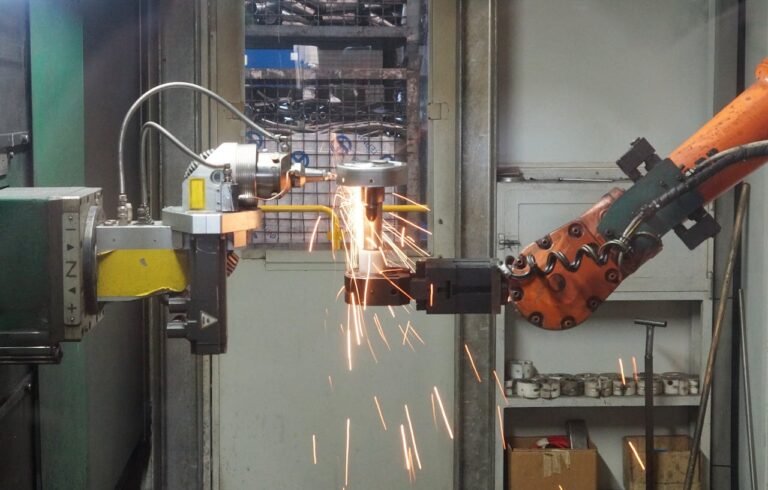
Automation and robotics are transforming industries at a rapid pace, from manufacturing plants to warehouses and even hospitals. While robots increase efficiency and reduce human error, they also introduce new risks into the workplace. Malfunctions, programming errors, or poor safety oversight can lead to severe injuries for workers who interact with these machines daily.
When injuries occur, the question of liability becomes complicated. Are employers fully responsible, or do manufacturers and programmers share the blame? Understanding how the law views robot-related accidents is essential for employees seeking justice and employers aiming to protect their workforce.
The Rise of Robotics in the Workplace
Robotics has transcended its traditional environments in high-tech laboratories and automotive factories. Nowadays, they are widely used in various sectors, including logistics, agriculture, and service industries. These automated systems aim to enhance productivity and reduce costs, but their swift integration often outstrips the development of comprehensive safety standards.
This rapid adoption has led to a concerning gap where workers face potential hazards without sufficient protection in place. As businesses increasingly rely on robotics, the safety of workers becomes a pressing issue that cannot be overlooked.
Furthermore, the rise of automation raises critical questions about legal responsibility for injuries that occur in the workplace. As the technology continues to evolve, addressing these legal and safety concerns will be essential for ensuring worker welfare and industry accountability.
Common Causes of Robot-Related Injuries
As robots become more common in workplaces, the risks they pose require careful attention. Unlike traditional hazards, robotic accidents often arise from a combination of human error, mechanical flaws, and systemic oversights. Common causes include:
- Programming errors – Faulty code can cause robots to move unpredictably or perform unintended actions.
- Sensor failures – Malfunctioning detection systems may fail to recognize nearby workers, leading to collisions or entrapment.
- Poor maintenance – Worn or damaged parts increase the likelihood of malfunction and dangerous breakdowns.
- Inadequate training – Workers unfamiliar with robot systems are more vulnerable to mistakes and unsafe interactions.
- Lack of safeguards – Missing barriers, emergency stop functions, or warning systems leave employees unprotected.
- System integration issues – Robots that are improperly coordinated with other machines or workflows can create unexpected hazards.
- Human complacency – Overreliance on technology may cause workers to overlook risks or bypass safety protocols.
These failures often lead to severe outcomes such as crush injuries, amputations, or even fatalities. Robot-related accidents underscore the importance of combining safe design, proper training, and ongoing maintenance to protect workers.
Employer Responsibility and Duty of Care
Employers have a legal obligation to ensure a safe workplace, which encompasses the protection of workers from the risks associated with automation. This includes the proper maintenance of robots and machinery, as well as providing comprehensive training for employees on safe operational procedures.
In addition to maintenance and training, it’s vital for employers to implement safety measures, such as emergency shutoff mechanisms. These safeguards help minimize the risks posed by automation and ensure that workers can react swiftly in case of an emergency.
When injuries occur, employers may be held liable if they fail to uphold these responsibilities. Courts and regulatory agencies often assess whether reasonable steps were taken to mitigate foreseeable risks in the workplace.
The Role of Third-Party Liability
While employers carry much of the responsibility, third parties can also be held accountable. Manufacturers may face liability if a robot’s design is inherently unsafe or if defects cause accidents. Similarly, software developers or maintenance contractors could share blame if their negligence contributes to an injury.
In these situations, workers may have multiple avenues for legal recourse. Attorneys like Meyers & Flowers Trial Attorneys often investigate all potential sources of liability to ensure victims receive fair compensation.
Workers’ Compensation vs. Civil Lawsuits
Most injured workers typically begin by seeking workers’ compensation benefits. This program offers medical care and partial wage replacement, and it operates regardless of fault. However, for those facing catastrophic injuries, these benefits may not fully cover the long-term costs associated with their recovery.
In cases where a third party’s negligence contributes to the injury, injured employees may have the option to pursue civil lawsuits. These lawsuits can provide an avenue for recovering greater compensation compared to workers’ compensation alone.
Civil litigation can result in damages that account for pain and suffering as well as future medical needs. This pursuit of justice can significantly impact an injured worker’s financial stability and overall well-being in the long run.
OSHA and Evolving Safety Standards
The Occupational Safety and Health Administration (OSHA) is responsible for regulating workplace safety; however, robot-related standards are still in development. Current guidelines often fail to adequately address the complexities of advanced robotics, resulting in significant gaps in protection for workers.
As automation in the workplace continues to increase, regulators are actively working to expand safety requirements. Despite these efforts, progress remains slow, which adds to the challenges faced by employers.
This lack of clarity in regulations places even more responsibility on employers to anticipate potential risks. They must strive to exceed the minimum legal requirements to ensure a safe working environment for their employees.
How Employers Can Mitigate Risks
Proactive employers are adopting strategies to reduce robot-related injuries. These include implementing advanced safety sensors, redesigning workflows to minimize human-robot interaction, and investing in comprehensive training programs.
Regular safety audits and collaboration with robotics manufacturers can further ensure compliance with evolving standards. By prioritizing worker safety, employers not only reduce legal risks but also build a more sustainable and productive workplace.
Protecting Workers in an Automated Future
The rise of robotics is inevitable, but workplace safety cannot be sacrificed for efficiency. Protecting employees means holding employers, manufacturers, and regulators accountable for addressing the risks of automation.
As technology advances, the law will continue to adapt, but workers deserve protection today. Recognizing liability in robot-related accidents is not just about assigning blame — it is about ensuring that progress does not come at the expense of human lives.
*****
Keep up to date on what’s going on in the NoHo Arts District with the weekly NoHo News>>
LA’s Love Of Risk And Chance

Los Angeles runs on chutzpah and a full tank of “let’s see what happens.” People arrive with a suitcase and a script, a deck and a deadline, a collection and a camera roll. The city rewards the leap. It always has. A move across states becomes a fresh reel; a side hustle gets pitched in a coffee line; a lucky break looks suspiciously like persistence dressed for a close-up. The mood is not reckless. It is practiced nerve. That is why risk here feels almost practical, an operating system for artists, founders, and anyone who wants life with the volume turned up.
Casinos as a mirror for the city
Casinos make that spirit visible. The draw is not only the chance of a payout; it is the ritual of backing a read. Cards, dice, wheels—each asks for a decision under pressure and a willingness to accept the outcome with a grin. The social side matters too. People swap tales about a hot shoe or a dealer with a memory like a Rolodex. Even the online version has its own LA energy, where convenience meets novelty. For a lower-stakes onramp, many sample sweepstakes casinos, play sites that use Gold Coins for entertainment and Sweeps Coins that can be redeemed for prizes. The mechanics and current options are laid out according to this guide, which explains how free play, optional coin purchases, and redemptions actually work.
Reinvention pulls people west
Ask around any soundstage or cramped studio apartment and a pattern appears. Someone left a steady job in Phoenix. Someone graduated last spring and traded campus quiet for casting calls. Another sold a car to finance a short film. LA turns those moves into momentum because reinvention is normal here. The city expects the second act. A background extra learns lighting and becomes the crew member everyone requests. A barista writes nights and lands a writers’ room spot. Even neighborhoods model the shift. North Hollywood, for instance, hums with rehearsal rooms and black box spaces; a scroll through NoHo theaters shows how many stages open their doors to new voices and scrappy ideas.
Startups, studios, and the appetite for odds
Entertainment looks like the obvious high-wire act, but the startup world here keeps pace. Founders in Echo Park and Playa Vista refine pitches like comedians sharpen sets: tight, specific, and ready for a room that has heard it all. A pre-seed round lands, a prototype ships, an audience forms. Studios run on similar bets. Greenlighting a pilot is a wager that a story hits like a familiar song on a long drive. The city’s tech scene adds another layer: AI tools in post-production, virtual production stages, creator analytics that predict the stickiness of a moment before the first edit renders. The stakes rise, of course. So do the gears that manage them: term sheets, contracts, union rules, and the ritual of reading them twice. Risk gets framed, not dulled.
Fashion, art, and the everyday gamble
Fashion in LA treats risk like a fabric choice. A designer stacks a runway show in a warehouse, and the line wraps around the block. A stylist pairs pieces that should not work and somehow they do. Galleries play their own version of the long odds: a first solo show, a curator with a hunch, a crowd that loves being surprised. The city keeps receipts. Tap the LA Art blog to see how often a daring idea ends up on a wall, a stage, or a program note. Even outside the spotlight, that same current runs through daily life. A renter takes a chance on a new roommate who becomes a collaborator. A chef expands the menu and finds the dish the neighborhood did not know it wanted. Small bets stack into a culture.
Luck favors the prepared in LA
Here, fortune rarely looks random. It looks like practice tapes and table reads, like investors who remember the last update and want the next one, like a night spent storyboarding instead of scrolling. People still roll the dice — literally, at a felt table; figuratively, on a role, a brand, a line of code — but the smart ones bring a plan. They know the bankroll, the back-up, the boundary. They pay attention to the room. And when the moment turns, they step in. That is LA’s real tell: not a love of chance for its own sake, but a citywide habit of putting nerve to work.
Air Conditioner Replacement vs. Repair: Which Is Better?
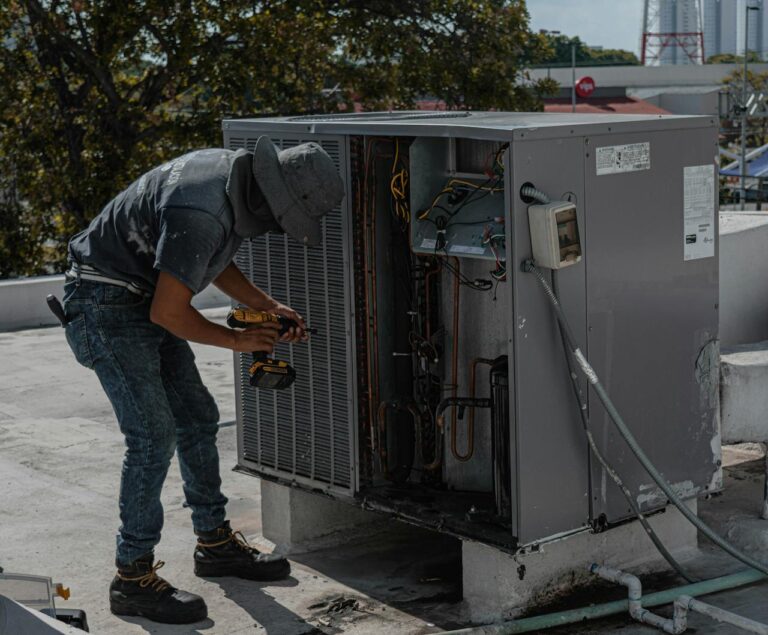
As temperatures rise, air conditioning becomes a necessary luxury. But then it starts to break down, and deciding whether to fix or replace it can be tough. This post discusses important factors that can assist in identifying the best means to keep a home fresh and airy.
Evaluating how old the unit is
The first thing you should consider is the age of your air conditioner. An average air conditioner keeps working for 10 to 15 years. If the unit is anywhere close to or over this interval, replacement is probably a better option. Older units lose their efficiency, which could lead to increased energy bills. Modern models can be more energy-efficient, which leads to savings over the long run. Air Conditioner Replacement – Columbus is helpful for replacements.
Evaluating Repair Costs
Most importantly, the cost of repairs. For this reason, repairing may be the most practical and cost-effective option if repair costs are small and infrequent. That said, if repairs run high or happen often, over time, it may be reasonable to replace the unit. The 50% rule is a useful rule of thumb: if your repairs cost close to half the price of a new unit, replacing it may be the more economical option.
Energy Efficiency Considerations
The energy efficiency is yet another, of course. Older ACs, they can use more energy, which leads to higher utility bills. Even money every month by replacing the old unit with a new, more efficient model. Choose units that have a high SEER rating as this means better performance and energy savings.
Environmental Impact
One more consideration is the environmental aspect of holding on to an older air conditioner versus replacing it with a new, high-efficiency model. They contain less harmful refrigerants than older units. Choosing a modern air conditioner decreases an individual’s carbon footprint and aids the environment.
Frequency of Breakdowns
Breakdowns can be frustrating and irritating if they are also regular. Having air conditioner repair services done more often than not could signify that the air conditioning unit is nearing the end of its functional life. When faced with this scenario, it is best to invest in a new system for the peace of mind and avoid a potential meltdown during peak seasons in the future.
Comfort and Performance
Comfort depends considerably on the performance of the air conditioning system! If the existing unit is having trouble regulating the temperature or cooling the area, it may be time to upgrade. Furthermore, modern systems provide improved air quality and temperature regulation.
Technological Advancements
With technological developments in air conditioning systems, the newer ones come with better features like smart thermostats and programmable settings. These innovations can enhance convenience and provide better control over home environments. New units may permit you to benefit from these features, adding both comfort and efficiency.
Financial Incentives and Rebates
In many areas, you’ll find various incentives or rebates for upgrading your air conditioner to a new effective model, even financial ones when you swap outdated ones with newer energy energy-efficient ones. These incentives can offset the investment cost, which is appealing when it comes to replacement. You might find out that there is a program that will be able to save you some money just by researching it.
Long-Term Investment
Think in terms of what will be more cost-effective over time: repairing or replacing. Repairs might look less expensive at first glance, but repeat trips to the mechanic can quickly get expensive over time. A brand new unit can be a more durable and cost-effective option due to improved comfort and energy savings over time.
Consulting with a Professional
Getting a professional opinion before making a final decision can also help. Depending on the needs and situations, experts can assess the current unit condition and recommend the best course of action. They are experienced in weighing the merits and demerits of every choice, which helps make an informed choice.
Conclusion
There is no easy answer to whether to repair or replace an air conditioner; it depends on age, cost of repair vs replacement, energy efficiency, and performance. The climate, personal comfort preferences, budget, lifestyle factors, and all these elements need to be pondered for homeowners to decide on what best works for them. No matter whether you choose to repair or replace, your goal is to keep your home cool and comfortable.
*****
Keep up to date on what’s going on in the NoHo Arts District with the weekly NoHo News>>
Busting the Myths of Solo Theatre
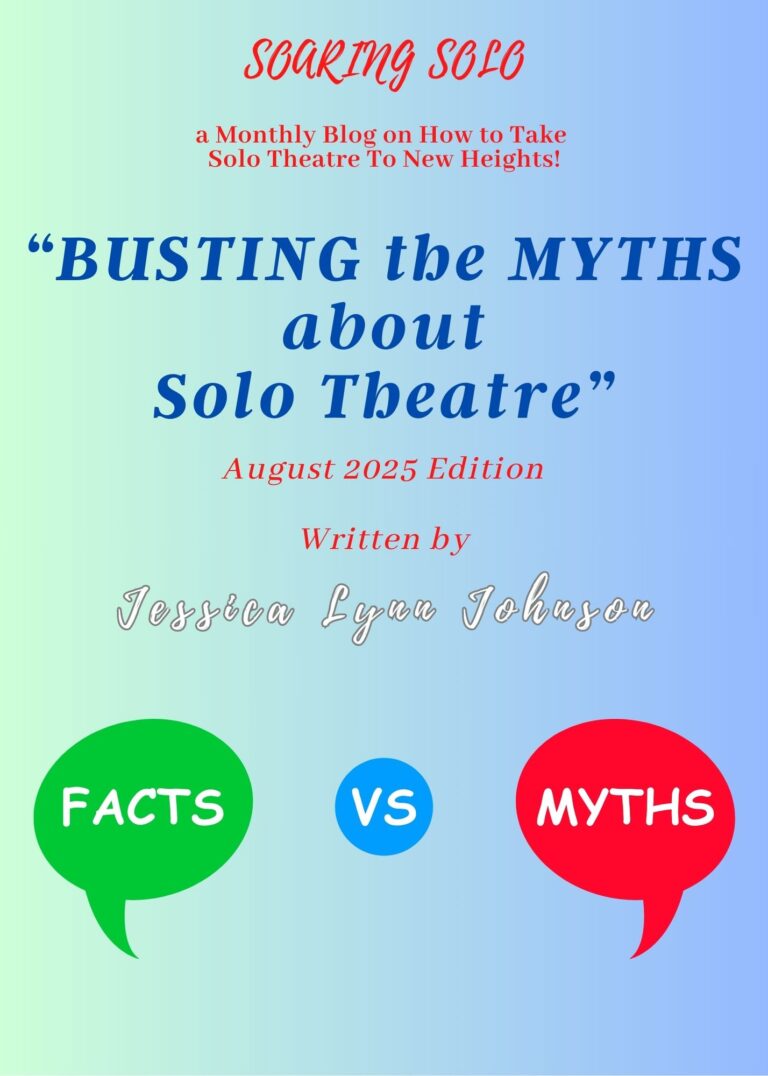
[NoHo Arts District, CA] – In this month’s Soaring Solo blog, Jessica Lynn Johnson talks about “Busting the Myths of Solo Theatre.”
Theater Set Safety vs. Structural Safety: Why Both Matter

This article explains why theater set safety vs structural safety must be considered together to ensure protection for performers, crews, and audiences.
Switzerland Hiking Blog: Jack Witt Explores the Jungfrau with Active World Journeys

[NoHo Arts District, CA] – In this month’s Active World Journeys travel blog, Jack Witt recounts his hiking adventures in Switzerland’s Jungfrau region, from Mürren to Lauterbrunnen and Gimmelwald.
Avoid These Pitfalls: Rookie Errors in Online Slot Games

This article explains the most common rookie errors in online slot games and how players can avoid them for safer, more enjoyable play.
Which Blockchains Verify Casino Fairness?

This article explains how blockchain casino fairness works, which blockchains lead the trend, and how Payid Pokies compares.
Apogee Asset Is Built on a Simple Observation: Nobody Appraises Art Early
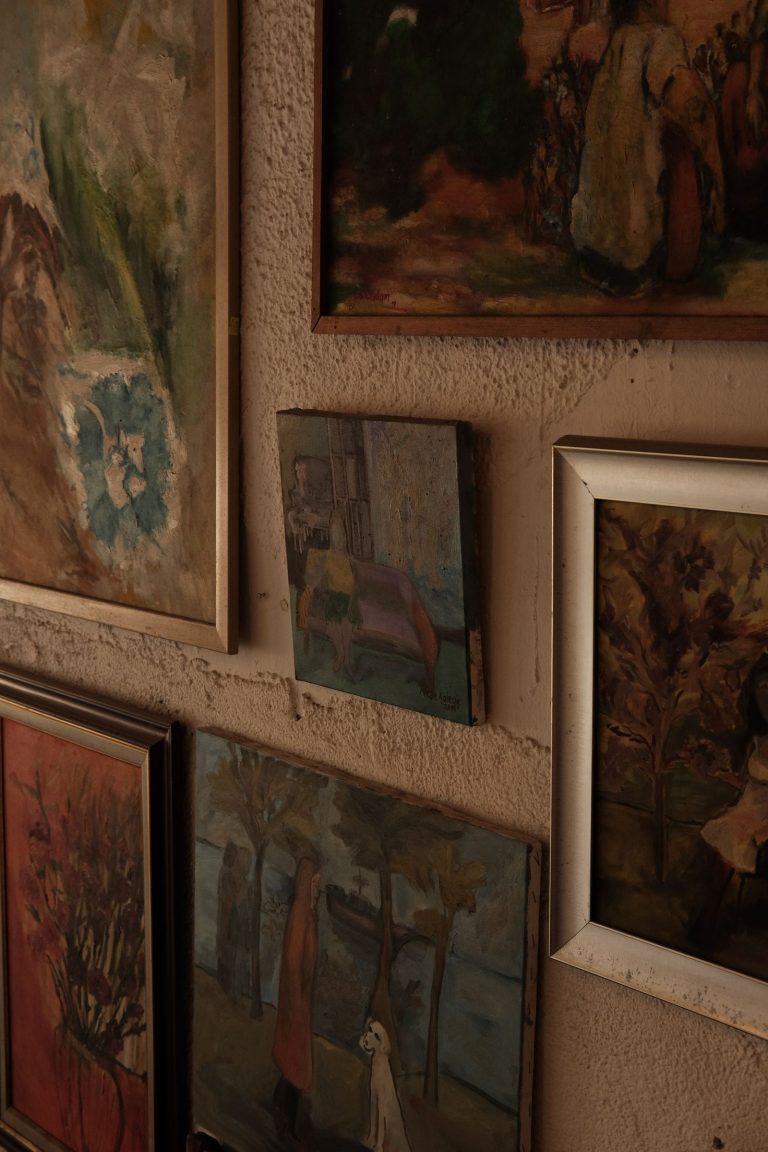
Appraisers will tell you the same thing if you ask. Almost nobody calls them while things are calm.
How Missing the Deadline Impacts Your Truck Accident Case in South Carolina

This article explains how missing South Carolina’s statute of limitations in a truck accident case impacts victims’ rights and compensation.
NoHo News August 21

[NoHo Arts District, CA] – This is the weekly NoHo News – your North Hollywood arts community update! We look forward to sharing lots of fun and unique news, events, profiles and updates on what’s happening in the NoHo Arts District neighborhood and beyond.
The Woolgatherer

[NoHo Arts District, CA] – A NoHo Arts theatre review of B. Light Productions/Jaramillo Productions The Woolgatherer, written by William Mastrosimone, directed by Rob Nagle at The Victory Theater Center, running through September 7.
Adopt Bono (ID: A2193757) – West Valley Animal Shelter

[NoHo Arts District, CA] – Bono (ID: A2193757) is an adoptable dog at West Valley Animal Shelter waiting for his forever home.
Wisteria Theater
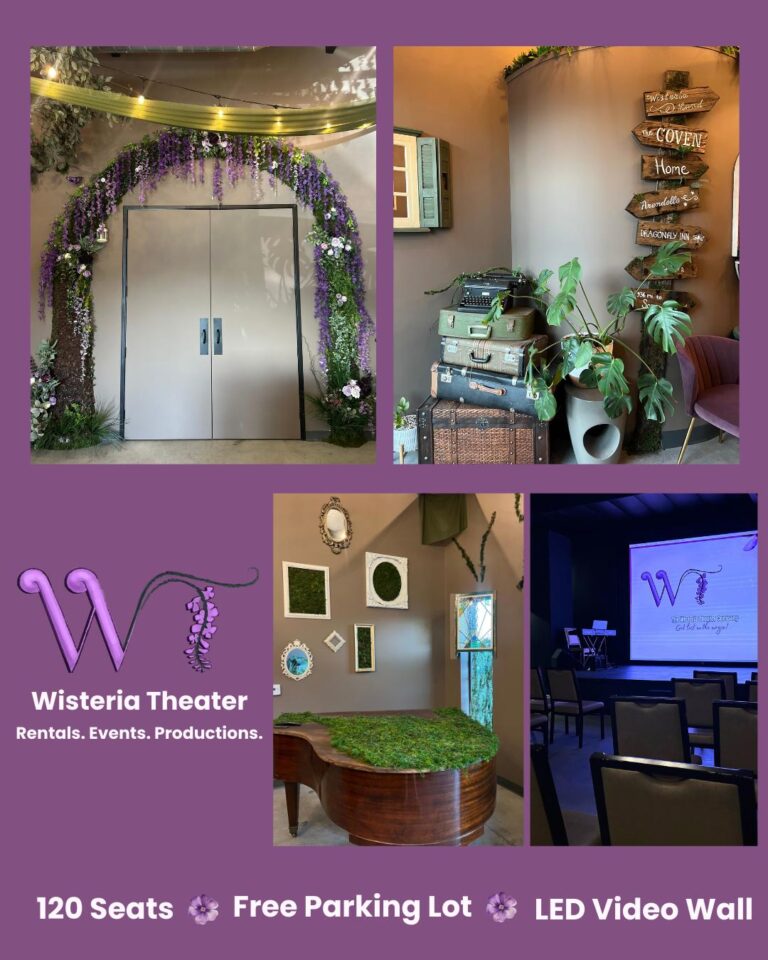

Wisteria Theater, North Hollywood, recently voted Best Intimate Theater in Los Angeles, is a creative hub for artists and audiences alike. Our enchanting venue features unique décor inspired by an enchanted forest, with twinkling lights, greenery, and vines that transform every performance into an unforgettable experience.
Seating: 120 seats
Address: 7061 Vineland Ave, North Hollywood, CA 91605
Parking: Free on-site parking
Amenities: LED video wall, state-of-the-art lighting, sound system, and a fully customizable space perfect for plays, musicals, comedy nights, cabaret, readings, and private rentals.
Website: WisteriaTheater.com
Social Media: Instagram: @wisteriatheater, Facebook: Wisteria Theater Company, TikTok: @wisteriatheaterco
Learn More About NoHo Arts District