


Appraisers will tell you the same thing if you ask. Almost nobody calls them while things are calm.
The call comes during a claim, a sale, a divorce, or a death. Something has forced the question, there is a deadline attached, and the person asking has never thought about the answer before.
What the Appraiser Is Actually Doing
An appraisal is not a glance and a number. It is research, and most of that research is about history rather than the object sitting on the table.
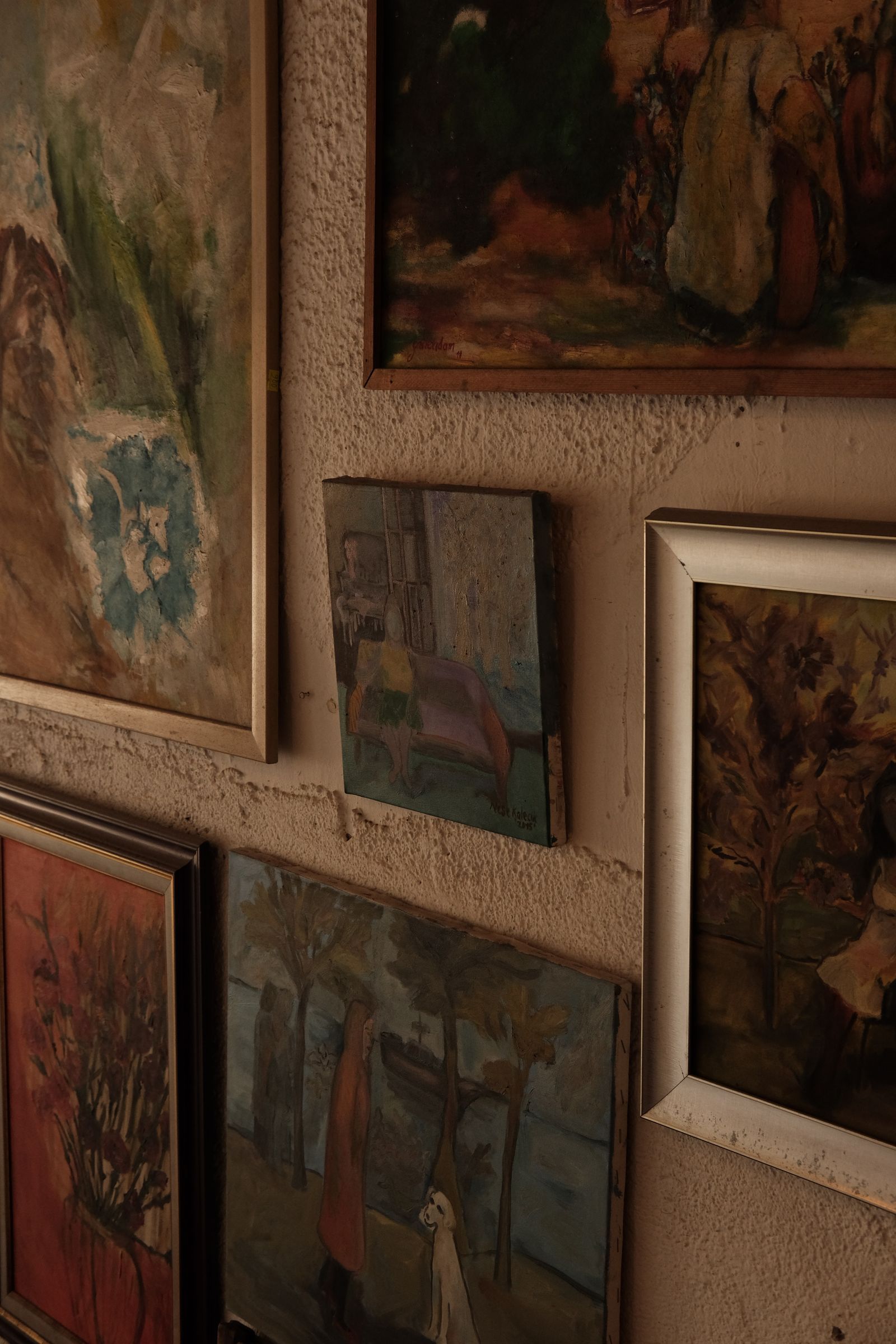
Where did it come from. Who owned it before. Has it been restored, relined, reframed, repaired, and if so by whom and how long ago. Is there a receipt, a gallery label, a letter, an exhibition catalogue, anything at all that places the piece somewhere before it arrived in this room. For a collection, is it complete, and was it assembled with intent or accumulated by accident.
Hand an appraiser a painting with a documented chain of ownership and photographs showing its condition across twenty years, and they can work quickly and with confidence. Hand them the same painting with no paperwork and a family story, and the work takes longer and the conclusion arrives with wider margins around it.
Same object. Different record. Different outcome.
The Knowledge Leaves Before the Object Does
Here is the part that makes the timing genuinely urgent rather than just tidy.
The object will outlast all of us. The knowledge about it will not. The person who bought the piece knows where they bought it, roughly when, what the dealer said, what it cost and why they wanted it. None of that is written down anywhere. It lives in one head, and when that head is gone, the painting becomes an anonymous painting.
This is why estates are so difficult to value well. Not because the items are hard to assess, but because the only person who could have explained them is the reason the valuation is happening. Families end up reconstructing provenance from photographs on a wall in the background of someone’s birthday party.
Every year you wait, the record gets thinner.
Document Early, Value Later
Apogee Asset is organised around that sequence, and it keeps the two halves firmly apart.
First the record, which costs nothing to build and requires no decisions about worth. Photographs, medium and size for artwork, condition notes, repairs, whatever you know about where it came from and when it arrived. For a collection, images and provenance and the state of each piece. For a mixed estate, one inventory covering things that have nothing in common except the house they are in.
Then, separately and only when something forces the question, the valuation. An appraisal request goes to an independent licensed appraiser, a third party rather than Apogee staff, who examines the piece and writes a report under their own name. Apogee assigns no values. It is not a marketplace, it does not broker sales, and it has no interest in what any of it turns out to be worth.
That separation is deliberate. The company holding your inventory should not also be the company telling you what the inventory is worth, and Apogee has structured itself so it cannot be.
The Case for Doing It on a Quiet Tuesday
None of this is urgent, which is exactly why it never happens. There is no deadline on documenting a painting you already own and are not selling.
But the quiet version of this job is a pleasant hour with a camera and the person who remembers where everything came from. The urgent version is a stressed afternoon of guesswork, usually conducted by someone who was not there when any of it was acquired, with a professional waiting on answers nobody has.
The appraisal will happen eventually. Whether it happens well is decided years earlier, by whether anyone bothered to write down what they knew.