


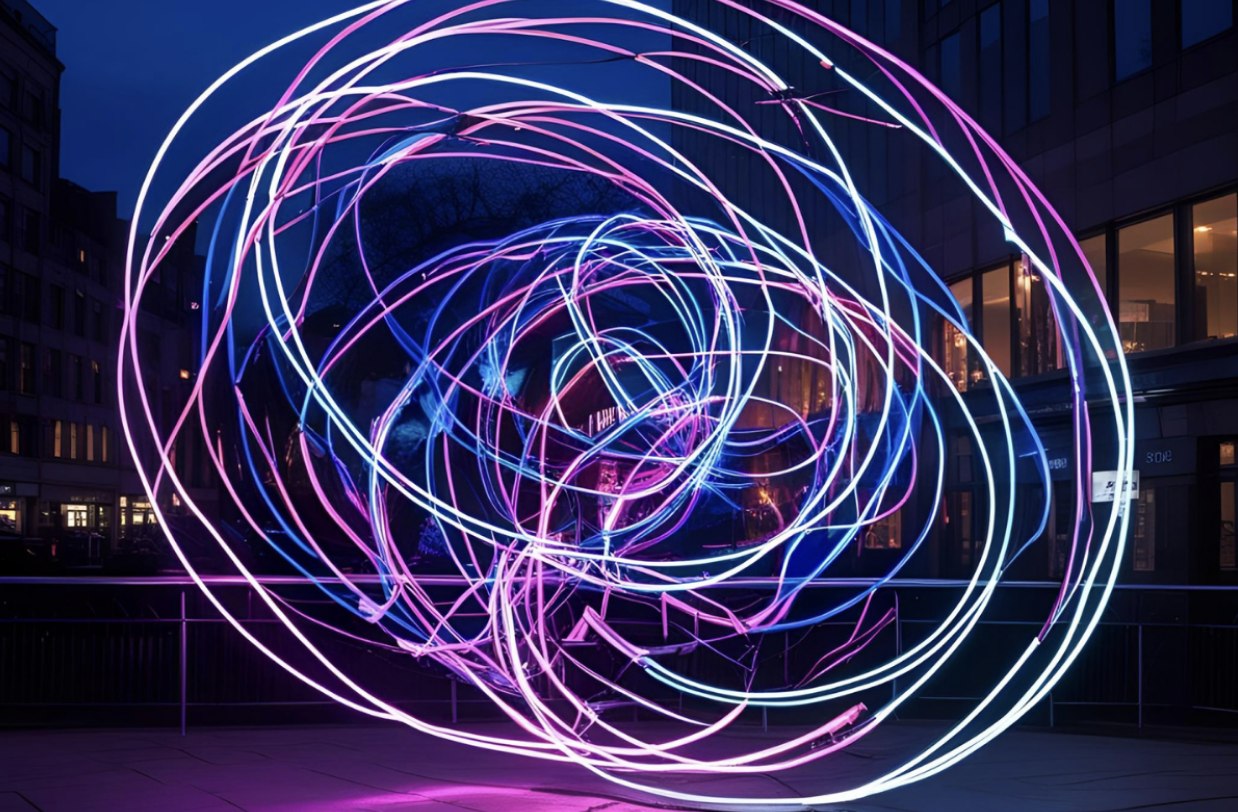
Flow arts are full of hypnotic tools—poi, staffs, hoops. But few are as mesmerizing as the leviwand. At first glance, it looks like magic: a slender stick floating in the air, gliding in patterns around the performer as if pulled by unseen strings. In reality, it’s equal parts illusion, balance, and creativity.
For anyone who’s ever picked up a Levi wand, the first few minutes are usually filled with wonder and a bit of frustration. How does this thing stay up? Why does it keep spinning out of control? Mastery doesn’t come instantly. But with patience, practice, and a good eye for movement, the leviwand becomes more than just a prop. It turns into an extension of your body, a tool for storytelling, and a portal to the flow state.
What Exactly Is a Leviwand?
The Levi wand is essentially a rod suspended by a thin string, often invisible to the audience under the right lighting. The performer manipulates the wand with subtle hand movements, making it appear as though the wand is levitating or obeying unseen forces.
Some wands are weighted for balance, others come in LED versions that light up in dazzling colors, and fire Leviwands add a literal spark to performances. Whether simple or high-tech, the tool is designed to give the illusion of effortless floating.
The secret, of course, is control. The string anchors the wand, and your hands guide its movement. But unlike other flow arts tools, the leviwand is less about brute motion and more about nuance. Small shifts in wrist angle, posture, and timing make all the difference between a convincing illusion and a clumsy spin.
The Art of Illusion
The beauty of the leviwand lies in its ability to trick the eye. To the audience, it looks like magic. To the performer, it’s about rhythm, geometry, and muscle memory. Every motion is a blend of technical skill and artistic flair.
There’s a reason the Levi wand has become so popular in festivals, street performances, and even circus acts. It draws people in. Someone might walk past a hoop or staff spinner, but a floating stick? That demands a second look. The suspension of disbelief is instant.
But the illusion doesn’t come from the prop alone—it comes from you. The more you embody the flow, the more natural the levitation feels. Think of it like dancing: the steps matter, but it’s the attitude that sells it.
Getting Started with Leviwand
If you’re new to the Levi wand, the first step is learning control. Don’t worry about fancy tricks. Focus on making the wand hover steadily in front of you. Practice simple side-to-side swings, front glides, and smooth circles. This builds the foundation of balance and timing.
A few tips for beginners:
- Posture matters. Keep your body relaxed but steady. Jerky movements travel up the string and ruin the illusion (Read this for 12 exercises to improve posture.).
- Start slow. Smooth, deliberate motions look more magical than rushed spins.
- Practice the hover. If you can make the wand look like it’s floating in place, you’ve mastered one of the hardest parts.
Once you’re comfortable, you can experiment with spins, figure-eights, and behind-the-back moves. Pair those with an electronic dance music playlist. Every new skill with the leviwand opens up more ways to blend technique with style.
Flow State and Storytelling
Ask any seasoned flow artist what keeps them hooked, and you’ll often hear the same thing: the flow state. That meditative feeling where movement, focus, and creativity merge into one. The leviwand is especially good at pulling people into that space because it requires such concentration.
But beyond personal flow, there’s also storytelling. A skilled performer doesn’t just move the Levi wand around—they bring it to life. Maybe it’s a floating sword, a curious creature, or a beam of energy. The wand becomes part of a narrative, and the audience is drawn into that world.
This is where style comes in. Precision creates the illusion, but your personality gives it character. Some performers move like magicians, others like dancers, and some like tricksters. The same leviwand looks different in each person’s hands, which is part of its magic.
Beyond the Stage
What’s interesting about the leviwand is how it crosses boundaries. It’s not limited to circus performers or festival artists. Dance troupes incorporate it into choreography. Street performers use it to captivate passing crowds. Even fitness enthusiasts are exploring it for coordination and mindfulness training.
The Levi wand also has a strong online community. From YouTube tutorials to Instagram reels, performers share tricks, progress, and encouragement. It’s a reminder that flow arts aren’t just about performance—they’re about connection.
Why Leviwand Endures
So why does the leviwand continue to fascinate people? Because it represents the perfect balance of science and magic. It’s physics—gravity, balance, tension—but presented in a way that feels like sorcery. It’s simple enough for beginners to try, yet deep enough for experts to keep exploring for years.
Most importantly, it invites play. The moment you pick up a Levi wand, you’re not just spinning an object. You’re discovering how movement, illusion, and creativity intertwine. And that journey, for many, becomes addictive.