



[NoHo Arts District, CA] – A NoHo Arts theatre review of The Great Beyond Company and The Hudson Theatre’s Adventures In The Great Beyond with book and lyrics by Tom Chiodo, music by Joe Nedder and directed by Tom Chido.
2025 Summer Internship Program

[NoHo Arts District, CA] – The Television Academy Foundation today announced applications are open for its 2025 Summer Internship Program in Los Angeles for college students nationwide. The summer program offers more than 40 paid, eight-week internships at top Hollywood production companies, studios and agencies.
Dorrance Dance: The Nutcracker Suite

[NoHo Arts District, CA] – Tap shoes kick pointe shoes aside in this American version of the holiday classic, The Nutcracker Suite, on December 12 at The Soraya!
NoHo Plaza Reopens

[NoHo Arts District, CA] – Celebrate the reopening of the NoHo “People Street” Plaza on Friday, November 22 from 5-8 pm. They will also celebrate the addition of two new murals to the NoHo Arts District; one of which is just around the corner on the LADOT parking lot wall on Magnolia.
Expat Healthcare Coverage: Essential Guide

Going to a new country for work or personal reasons is exciting. But, it can also be challenging, especially when it comes to healthcare. It’s important for expats to have good health coverage to feel secure while away from home.
Toluca Lake Christmas Tree Lot 2024
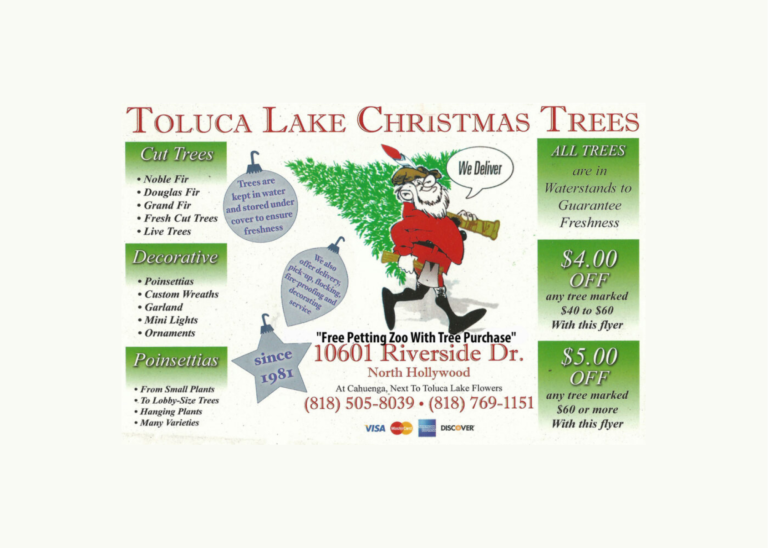
[NoHo Arts District, CA] – Don’t miss the annual Toluca Lake Christmas Tree lot!
Comprehensive Guide to Playing Online Poker
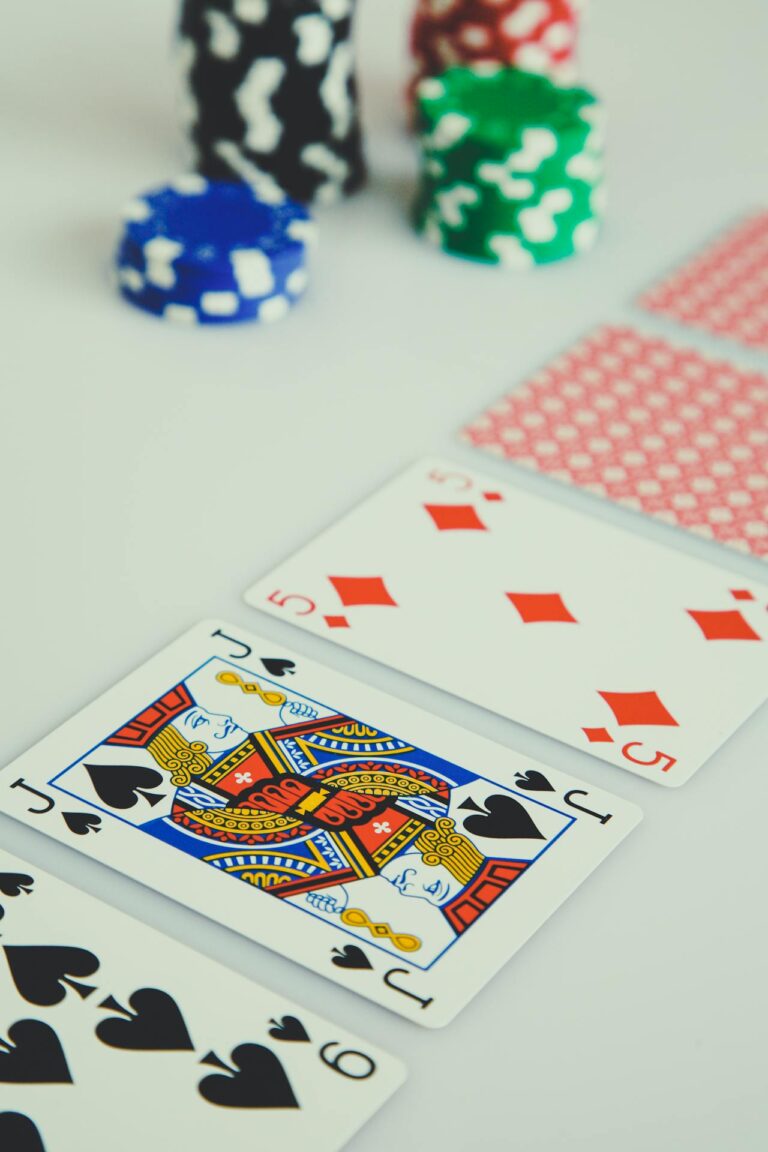
Poker is a centuries-old card game that tests your bluffing skills. There are many variants to try, but we will cover Texas Holdem in detail in this guide.
Five Reasons Yoga Can Aid You Through Your Mental Health Crisis

It’s perhaps fair to say that you know yoga can help people with stress. But at the same time, you might a. not feel that person is you and b. not quite understand the reason as to why that’s the case.
Conclave and Juror #2

[NoHo Arts District, CA] – In this month’s movie and TV reviews blog, Mike Peros looks at Conclave and Juror #2.
Magic Pirates Show

[NoHo Arts District, CA] – Now, you can bring the magic and laughter of the Magic Pirates to your home or corporate event. After their smash-hit comedy and magic show at the iconic Magic Castle in Hollywood, Brandon Scott’s Magic Pirates are in high demand for unforgettable holiday entertainment.
How to Enhance Flavor with Temperature Control Vaping

Temperature Control, or simply TC vaping, is a feature of modern vape devices that will enable users to regulate the coil temperature throughout the process of vaping. The technology tries to make the vaping experience smooth and flavorful without overheating the coil that may burn your e-liquid. Understanding how to use temperature control to heighten flavor can elevate your vape sessions and open up new dimensions of pleasure. Here’s how you can make the most of TC vaping in order to enhance flavor.
The Ugly Duckling
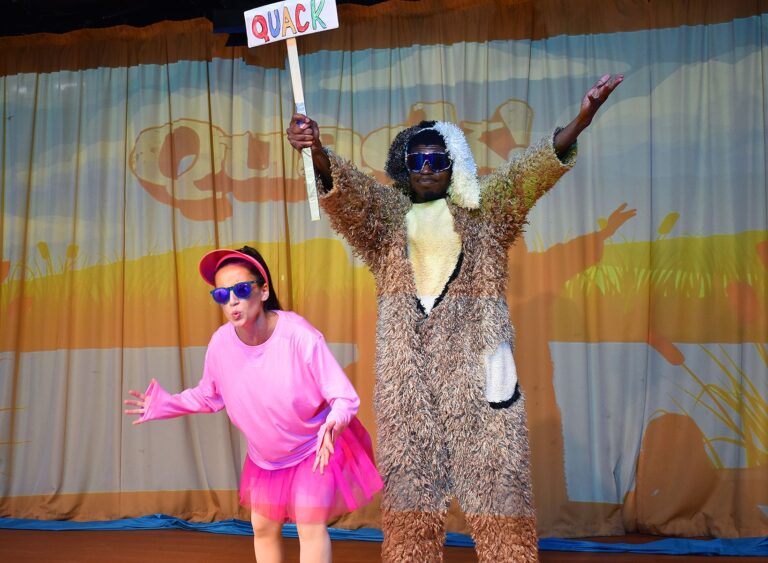
[NoHo Arts District, CA] – A NoHo Arts theatre review of Storybook Theatre’s The Ugly Duckling, with book by Lloyd J. Schwartz, music and lyrics by Adryan Russ, and produced and directed by Barbara Mallory Schwartz.
Date Night Denim: Flattering Outfit Ideas for a Romantic Evening

Date nights are a delightful opportunity to dress up, unwind, and most importantly, get that romantic time with your significant other. Up and running your style game may feel thrilling yet challenging, as you filter through your closet looking for the perfect ensemble.
The Art of Playing Aviator: Digital Flight and Strategic Timing

As real pilots navigate complicated instruments and weather patterns above Van Nuys Airport, Aviator players worldwide simulate a simplified form of flight. This online sensation flies between aviation basics and strategic decision-making – and requires quick thinking instead of a pilot’s license.
What Causes a Jackknife Accident?
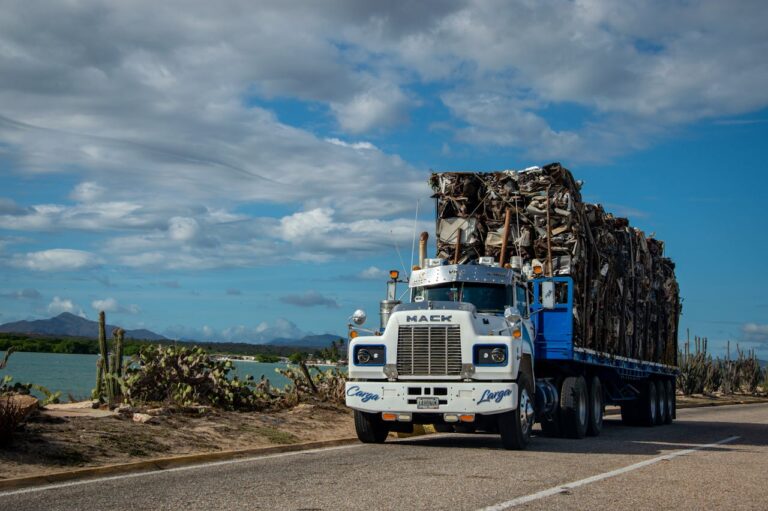
A jackknife accident occurs when the trailer of a large truck swings out to the side, forming a 90-degree angle with the cab, resembling the blade of a folding jackknife. These accidents are especially dangerous due to the size and weight of the vehicles involved, often leading to severe injuries, property damage, and traffic disruption. Understanding the causes of jackknife accidents is essential for drivers, trucking companies, and other road users to help prevent such accidents and minimize their impact.
What is a Jackknife Accident?
In a jackknife accident, the cab and trailer of a truck lose alignment, causing the trailer to swing outward and form an “L” shape with the cab. This happens when the driver loses control, often due to braking too hard or quickly, which reduces traction and causes the trailer to skid. Once in this position, the truck may block multiple lanes, putting other motorists at risk.
Common Causes of Jackknife Accidents
A. Road Conditions
Poor road conditions, such as slick or icy surfaces, can significantly reduce a truck’s traction. When traction is lost, the trailer may begin to slide, making it difficult for the driver to keep control and increasing the likelihood of a jackknife accident. Wet roads, loose gravel, and other debris can also reduce traction and contribute to jackknifing, especially when combined with sudden braking.
B. Speeding
Excessive speed is a primary factor in many jackknife accidents. When a truck is traveling at high speeds, especially in turns or on slippery roads, the likelihood of the trailer swinging out increases. The weight and momentum of the trailer make it challenging for the driver to regain control, leading to potentially devastating accidents. Studies show that speeding-related crashes are often severe because the faster a vehicle travels, the harder it is to stop.
C. Sudden Braking
Abrupt or emergency braking can cause the trailer to slide and lose alignment with the cab, creating a jackknife situation. This is especially common if the driver brakes hard to avoid a collision or obstacle. Anti-lock Braking Systems (ABS) can help prevent jackknife accidents by maintaining control of the brakes under sudden stops, though it is not a foolproof solution.
D. Driver Fatigue
Fatigued drivers have slower reaction times and impaired judgment, making them more prone to errors in emergency situations. This can lead to a delayed response in adjusting to road conditions, changing speeds, or recognizing hazards. Federal Hours of Service (HOS) regulations limit the hours drivers can operate their vehicles without rest, aiming to reduce fatigue-related accidents, including jackknifing.
E. Equipment Malfunctions
Mechanical failures, such as brake issues or tire blowouts, can contribute to jackknife accidents. Proper maintenance is crucial to ensure that all parts are working effectively. Failure to regularly inspect brakes, tires, and suspension can lead to an unexpected loss of control, increasing the risk of jackknifing.
F. Inexperienced or Untrained Drivers
Handling large trucks requires specialized training, especially in recognizing hazardous conditions and using defensive driving techniques. Inexperienced drivers may lack the knowledge to respond effectively to road or weather conditions, increasing the risk of jackknifing. Proper training helps drivers understand the unique dynamics of tractor-trailers, such as load management and braking methods.
The Consequences of Jackknife Accidents
A. Physical Injuries and Fatalities
Jackknife accidents often result in severe injuries or fatalities due to the large size of the vehicles involved. Common injuries include broken bones, spinal injuries, and traumatic brain injuries.
B. Property Damage
These accidents can lead to extensive property damage, not only to the truck but also to other vehicles, road barriers, and nearby structures.
C. Traffic Disruptions
Jackknifed trucks can block multiple lanes, causing significant traffic delays and economic impact due to disrupted supply chains and delayed deliveries.
D. Legal and Financial Consequences
Determining liability in a jackknife accident can be complex, potentially involving the driver, trucking company, maintenance provider, or even a manufacturer if equipment failure is involved. Distracted driving accident victims may seek compensation for medical expenses, lost wages, and other damages, leading to costly lawsuits.
Preventing Jackknife Accidents
A. Proper Vehicle Maintenance
Routine maintenance and inspections are essential for preventing mechanical failures. Checking brakes, tires, and other critical components regularly can help ensure the truck operates safely.
B. Driver Training and Education
Training programs that teach defensive driving, load management, and emergency response techniques are vital in preparing drivers to handle unexpected road situations and reduce the likelihood of jackknifing.
C. Speed Management and Defensive Driving
Drivers should avoid speeding and maintain safe distances from other vehicles, especially in poor weather. Speed management is crucial to maintaining control of the trailer.
D. Technological Aids
Anti-lock Braking Systems (ABS), Electronic Stability Control (ESC), and other safety technologies can help prevent jackknifing by enhancing a driver’s ability to control the vehicle in sudden braking situations.
E. Adapting to Road Conditions
Drivers should adjust their speed and driving style based on weather and road conditions. During adverse weather, it’s crucial to slow down and use extra caution to prevent a loss of traction.
What to Do If You Are Involved in or Witness a Jackknife Accident
Steps for Drivers
If a jackknife accident occurs, drivers should attempt to regain control if possible. If unable to do so, they should focus on keeping the truck in its lane to minimize risk to other motorists.
Steps for Other Motorists
Other motorists should maintain a safe distance from large trucks, especially in poor weather. If a jackknife incident is unfolding, motorists should slow down, increase following distance, and avoid sudden maneuvers.
Legal Steps Following a Jackknife Accident
After a jackknife accident, drivers and victims should contact law enforcement, their insurance companies, and potentially consult a lawyer. Legal counsel can help navigate the complexities of liability and ensure fair compensation for damages.
FAQ Section
What is a jackknife accident, and why does it happen?
A jackknife accident occurs when the trailer of a truck swings outward, forming a 90-degree angle with the cab. This typically happens due to sudden braking, loss of traction, or excessive speed.
How common are jackknife accidents on the road?
Jackknife accidents are less common than other types of truck accidents but are among the most dangerous due to their potential to cause severe injuries and road blockages.
Can all jackknife accidents be prevented?
While not all jackknife accidents can be prevented, proper driver training, maintenance, and safe driving practices can significantly reduce the likelihood.
What role does weather play in causing jackknife accidents?
Weather plays a significant role, as icy, wet, or windy conditions can reduce traction, making it easier for the trailer to swing out.
What safety systems can help prevent a jackknife accident?
Technologies like Anti-lock Braking Systems (ABS) and Electronic Stability Control (ESC) can help prevent jackknifing by maintaining traction and control.
Who is liable in a jackknife accident?
Liability can be complex and may involve the driver, trucking company, maintenance provider, or equipment manufacturer, depending on the accident’s cause.
What should I do if I’m involved in a jackknife accident as another motorist?
Stay calm, slow down, and maintain a safe distance from the truck. If injured or suffering property damage, you may want to consult a lawyer to discuss your options.
Can a lawyer help if I was injured in a jackknife accident?
Yes, a lawyer can help navigate insurance claims, determine liability, and seek compensation for medical bills, lost wages, and other damages.
Common Types of Traumatic Brain Injuries
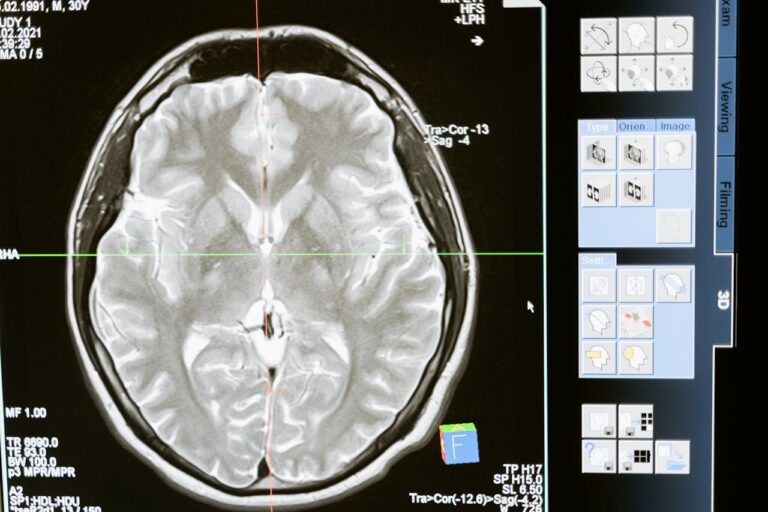
I. Introduction to Traumatic Brain Injuries (TBIs)
Traumatic Brain Injuries (TBIs) are complex injuries resulting from sudden trauma to the head or body that can have lasting impacts on physical, cognitive, and emotional health. TBIs are common and can range from mild concussions to severe injuries requiring long-term care. Understanding the types of TBIs is essential to recognizing symptoms, seeking prompt treatment, and understanding the potential for recovery.
II. What Causes Traumatic Brain Injuries?
TBIs can result from various causes, including falls, vehicle collisions, sports injuries, and violent incidents. TBIs are broadly categorized into two types:
- Closed TBIs: These occur when the head sustains a blow or impact without an external object penetrating the skull. The brain may move within the skull, causing internal damage.
- Open TBIs: Also called penetrating injuries, these involve an object breaking through the skull and potentially impacting the brain tissue directly.
III. Types of Traumatic Brain Injuries
Each type of TBI has unique characteristics and potential complications. Here are the most common types:
1. Concussion
- Description: Concussions are the most common TBI and are generally considered mild, although they can have lasting effects if untreated or if multiple concussions occur.
- Causes: Sudden impact or jolt to the head, often seen in sports, accidents, or falls.
- Symptoms: Headache, dizziness, confusion, nausea, and memory issues.
- Complications: Post-concussion syndrome, which involves prolonged symptoms such as headaches, dizziness, and memory loss.
2. Contusion
- Description: A contusion is a bruise on the brain, caused by bleeding in a localized area.
- Causes: Direct impact to the head.
- Symptoms: Cognitive changes, memory issues, loss of consciousness, and potential weakness in specific body areas.
- Complications: Risk of increased pressure on the brain, which may require surgical intervention.
3. Penetrating Brain Injury
- Description: Occurs when an object breaks through the skull and enters the brain tissue.
- Causes: Typically results from high-impact trauma, such as gunshot wounds or injuries from sharp objects.
- Symptoms: Symptoms vary based on the location and depth of penetration but may include bleeding, loss of consciousness, and severe cognitive changes.
- Complications: High risk of infection, seizures, and potential for permanent neurological damage.
4. Diffuse Axonal Injury (DAI)
- Description: Involves widespread damage to the brain’s white matter, where axons connecting nerve cells are stretched and torn.
- Causes: Rapid acceleration and deceleration forces, such as those seen in high-speed car accidents.
- Symptoms: Often results in immediate unconsciousness, memory loss, and long-term cognitive impairments.
- Complications: High risk of coma, persistent vegetative state, or long-term cognitive disability.
5. Coup-Contrecoup Injury
- Description: Involves damage to both the impact site and the opposite side of the brain.
- Causes: Common in incidents involving sudden and violent movement, such as car accidents or severe falls.
- Symptoms: Headache, cognitive changes, memory loss, and potential emotional and behavioral issues.
- Complications: Increased risk of personality changes and cognitive challenges.
6. Hematomas (Intracranial Hematomas)
- Description: Collection of blood outside the brain’s blood vessels, which can increase pressure in the skull.
- Types:
- Epidural Hematoma: Blood accumulation between the skull and outer brain covering.
- Subdural Hematoma: Blood pools between the dura mater and the brain.
- Intracerebral Hematoma: Bleeding within the brain tissue itself.
- Symptoms: Severe headache, vomiting, weakness, and loss of consciousness.
- Complications: Can lead to life-threatening increases in brain pressure and often requires surgical drainage.
7. Second Impact Syndrome
- Description: Occurs when a person sustains a second concussion before a previous concussion has healed.
- Causes: Common in athletes who return to activities too soon.
- Symptoms: Rapid brain swelling, severe headache, and neurological issues.
- Complications: High risk of permanent brain damage or even fatality.
IV. Symptoms of Traumatic Brain Injuries
Symptoms vary based on injury severity:
- Mild TBI Symptoms: Headache, confusion, nausea, and temporary dizziness.
- Moderate to Severe TBI Symptoms: Persistent headache, repeated vomiting, seizures, slurred speech, and significant confusion.
- Behavioral Symptoms: Mood swings, irritability, memory issues, and concentration challenges.
V. Diagnosing and Treating TBIs
- Diagnosis: Diagnosis often includes imaging tests (CT scans, MRIs) and neurological exams.
- Treatment Options:
- Concussion: Rest, gradual return to activities, and symptom monitoring.
- Contusions and Hematomas: Monitoring or surgery to relieve pressure.
- Penetrating Injuries: Surgery to remove foreign objects, address bleeding, and reduce infection risk.
- DAI and Severe TBIs: Rehabilitation, therapy, and long-term medical care.
VI. Complications and Long-Term Effects of TBIs
TBIs may lead to lasting effects, including cognitive impairments, behavioral changes, and psychological issues (e.g., PTSD, depression). The costs of treatment and potential lifestyle changes can have a profound impact on the quality of life and financial stability of those affected.
VII. Legal Implications of Traumatic Brain Injuries
For example, an Austin brain injury lawsuits resulting from another party’s negligence, legal action can help recover compensation for:
- Medical Expenses: Including immediate care, surgeries, and rehabilitation.
- Lost Wages: Both current and potential future earnings.
- Pain and Suffering: Including physical and emotional trauma.
An experienced TBI attorney can provide guidance on seeking damages to cover both economic and non-economic losses.
VIII. FAQs on Traumatic Brain Injuries
What is the most common type of TBI?
Concussions are the most common form of TBI, often resulting from sports injuries and minor accidents.
How long does it take to recover from a concussion?
Most people recover from a concussion within a few weeks, but some experience longer-lasting symptoms.
What are the risks of a second concussion?
Second Impact Syndrome, which occurs when a second concussion happens before the first has healed, can be fatal or lead to severe disability.
What should I do if I suspect I have a TBI?
Seek immediate medical attention if you experience symptoms like severe headache, nausea, confusion, or loss of consciousness.
How can TBIs impact daily life and long-term health?
TBIs can lead to lasting cognitive, behavioral, and physical issues, impacting a person’s ability to work, socialize, and perform daily activities.
Are TBIs always permanent?
Many people recover from mild TBIs, but moderate to severe TBIs may cause long-term or permanent impairments.
Can I file a lawsuit if I suffered a TBI due to someone else’s negligence?
Yes, you may be able to recover compensation for your injuries if they resulted from another party’s negligence.
How is compensation calculated in TBI cases?
Compensation depends on factors like medical costs, lost wages, pain, suffering, and the extent of the injury’s impact on daily life.
IX. Conclusion
Understanding the various types of TBIs and their potential impacts is essential for anyone dealing with or supporting someone affected by these injuries. Early recognition and treatment of TBIs can improve outcomes, and legal support may help secure necessary compensation for recovery.
What is a Catastrophic Injury?
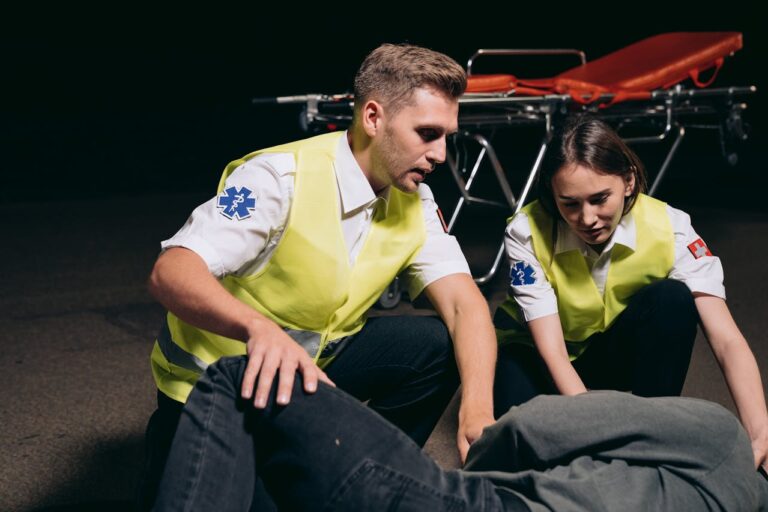
Catastrophic injuries are severe, life-changing events that can alter a person’s physical abilities, emotional well-being, and financial stability. Unlike minor injuries, catastrophic injuries often lead to long-term or permanent disabilities, requiring significant medical treatment, rehabilitation, and sometimes lifelong care. Understanding what constitutes a catastrophic injury is crucial, especially for Las Vegas catastrophic injury victims and their families seeking compensation and support for their future needs. This article covers what a catastrophic injury is, its various types, legal implications, and answers to frequently asked questions to help guide victims through this challenging time.
NoHo News November 7
[NoHo Arts District, CA] – Did you know? The NoHo Arts District is only one square mile. But there’s A LOT happening in the neighborhood.
Constellations
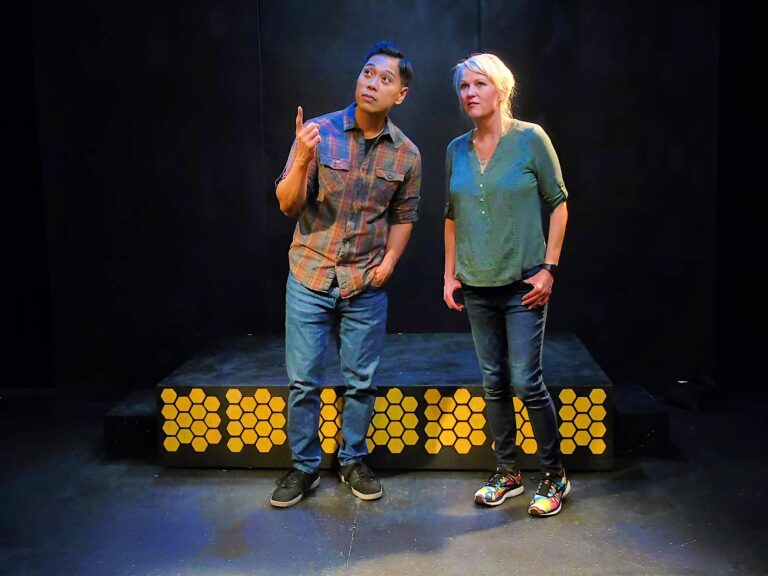
[NoHo Arts District, CA] – A NoHo Arts theatre review of Collaborative Artists Ensemble’s Constellations by Nick Payne at The Sherry Theater November 1-10.
A Doll’s House Part 2

[NoHo Arts District, CA] – Beverly Hills Playhouse’s THE DOLL’S HOUSE PROJECT – A Doll’s House Part 2 by Lucas Hnath, directed by Allen Barton.
Hexen – An Ancestral Witch Play

[NoHo Arts District, CA] – A NoHo Arts theatre review of Hexen – An Ancestral Witch Play, written by and starring Dreya Weber at El Portal Theatre on November 22.
A Doll’s House

[NoHo Arts District, CA] – A NoHo Arts theatre review of Beverly Hills Playhouse’s THE DOLL’S HOUSE PROJECT – A Doll’s House by Henrik Ibsen, directed by Mia Christou, and A Doll’s House, part 2 by Lucas Hnath, directed by Allen Barton.
Clean and Green: Discover the Power of Natural Firelighters for Effortless Fires

In today’s world, finding eco-friendly alternatives is key. Traditional firelighters harm the environment. But, natural firelighters offer a clean, easy way to start fires.
Decoding Ethereum Price (ETH): A Comprehensive Guide

Ethereum has earned the status of a basic tool in the sphere of blockchain. Ether (ETH), the native coin, is not only used as a digital currency but also as a core component of dApps and smart contracts. Platforms like MoonPay that allow users to buy Ethereum provide access to this versatile cryptocurrency, which is influenced by multiple variables. Understanding these factors is essential for making informed and potentially profitable decisions. This comprehensive guide aims to highlight the core components that impact ETH’s value.
DIVA the Play

[NoHo Arts District, CA] – A NoHo Arts theatre review of United Stages’ production of DIVA the Play, written and performed by Vivienne Powell, directed by Leah Patterson, and running through November 10 at the Zephyr Theatre.

So Thankful
[NoHo Arts District, CA] – This month’s acting blog from Fran Montano of Actors Workout Studio discusses being “So Thankful.”
When Should You Accept a Settlement Offer in a Personal Injury Case

Personal injury settlements represent important decisions that significantly impact your financial recovery and long-term well-being after an accident. When considering a settlement offer, it’s very important to carefully evaluate multiple factors, including medical expenses, future care needs, and the long-term implications of your injuries.
Hollywood’s Art Scene Using Poker To Mix Industry Chatter and Mentorship
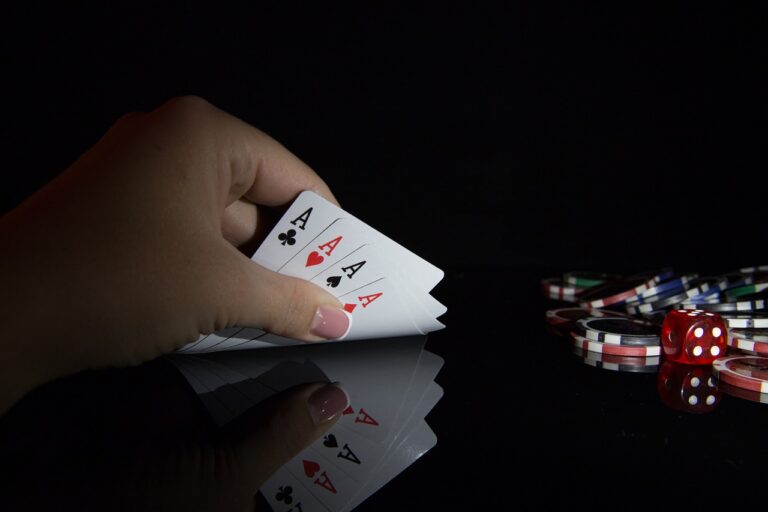
Los Angeles’ artists have been hitting the poker tables for decades. According to a recent report, it has been found that this has become the norm for those looking to rub shoulders with some rather unlikely individuals.
10 Must-Have Apps for Artists

It seems like there’s an app out there for just about every want or need, whether we’re looking for entertainment via a portfolio of app store games or streaming services, food, tools to assist us with our work and hobbies, and even artistic tools to enhance our creativity.
Brewery Artwalk Fall 2024
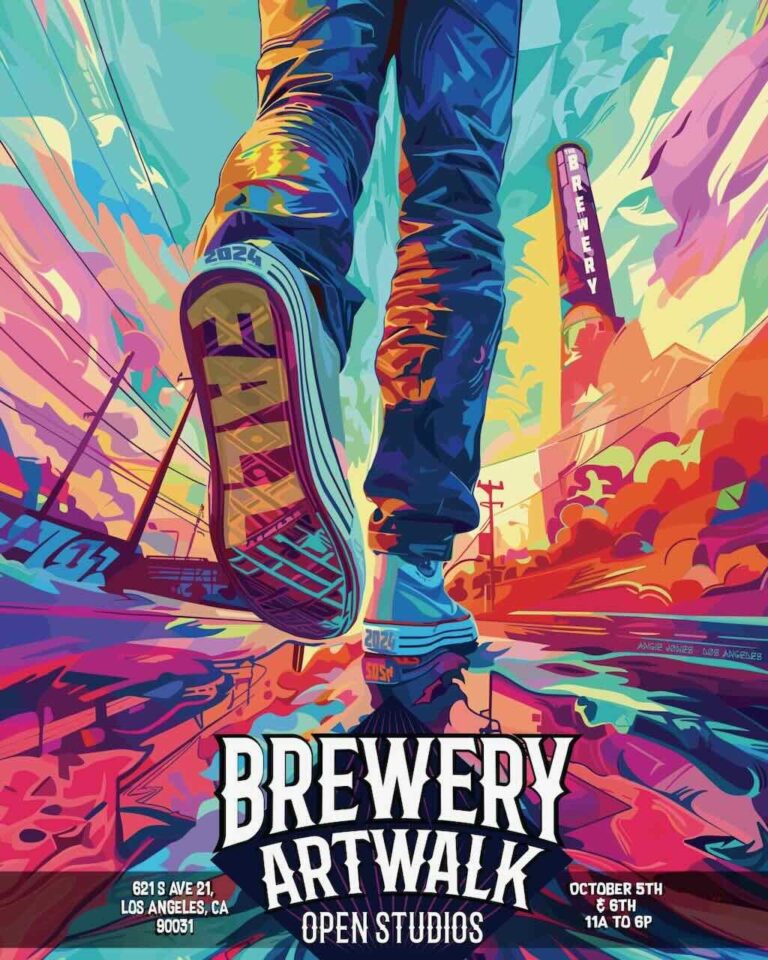
[NoHo Arts District, CA] – This month’s LA Art blog features the Brewery Artwalk Fall 2024.