


It’s perhaps fair to say that you know yoga can help people with stress. But at the same time, you might a. not feel that person is you and b. not quite understand the reason as to why that’s the case.
However, the ancient practice has helped millions of people through all types of mental health crises, from struggling with depression to living with bipolar, going through addiction treatment and recovery to enduring PTSD. In fact, it’s encouraged by professionals across residential rehab centers as a crucial part of aiding people through mental health conditions.
But why is that the case? And why could it help you not only if you’re going through a mental health crisis, but just to promote positive mental health daily?
Promotes Mindfulness and Present-Moment Awareness
While yoga has its physical health benefits, much of its practice is built around being fully present in the moment. When we’re struggling with our mental health, we can often spiral out of control with anxiety in our head, looking back on past regrets or future concerns. However, yoga is all about being present in the moment and focusing on breathing and connecting with our bodies.
This can help people shift their perspectives and find a greater sense of calm within themselves. By cultivating this mindfulness daily, it can really help people stay in the present and cut down the opportunities for the brain to spiral out of the present.
Reduces Stress and Anxiety
As a result, that can reduce stress and anxiety significantly. In fact, yoga has been scientifically proven to reduce levels of cortisol in the body which plays a big part in the body’s response to stress.
The gentle movements within yoga helps to release tension that’s stored in the body and alleviate the physical manifestations of stress. This can lead to a more relaxed state and really slow the mind down and help create a state of relaxation.
Enhances Emotional Regulation
Mental health crises often start as a result of intense emotions that have become too difficult to manage. Yoga is an exercise that encourages self awareness and introspection, allowing us to connect with our feelings on a much deeper level.
Different poses and transitions can have different effects on our emotions and often they can allow us to acknowledge our feelings without judgment and enable us to tackle the challenges of everyday life with much more clarity and resilience.
Fosters a Sense of Community and Support
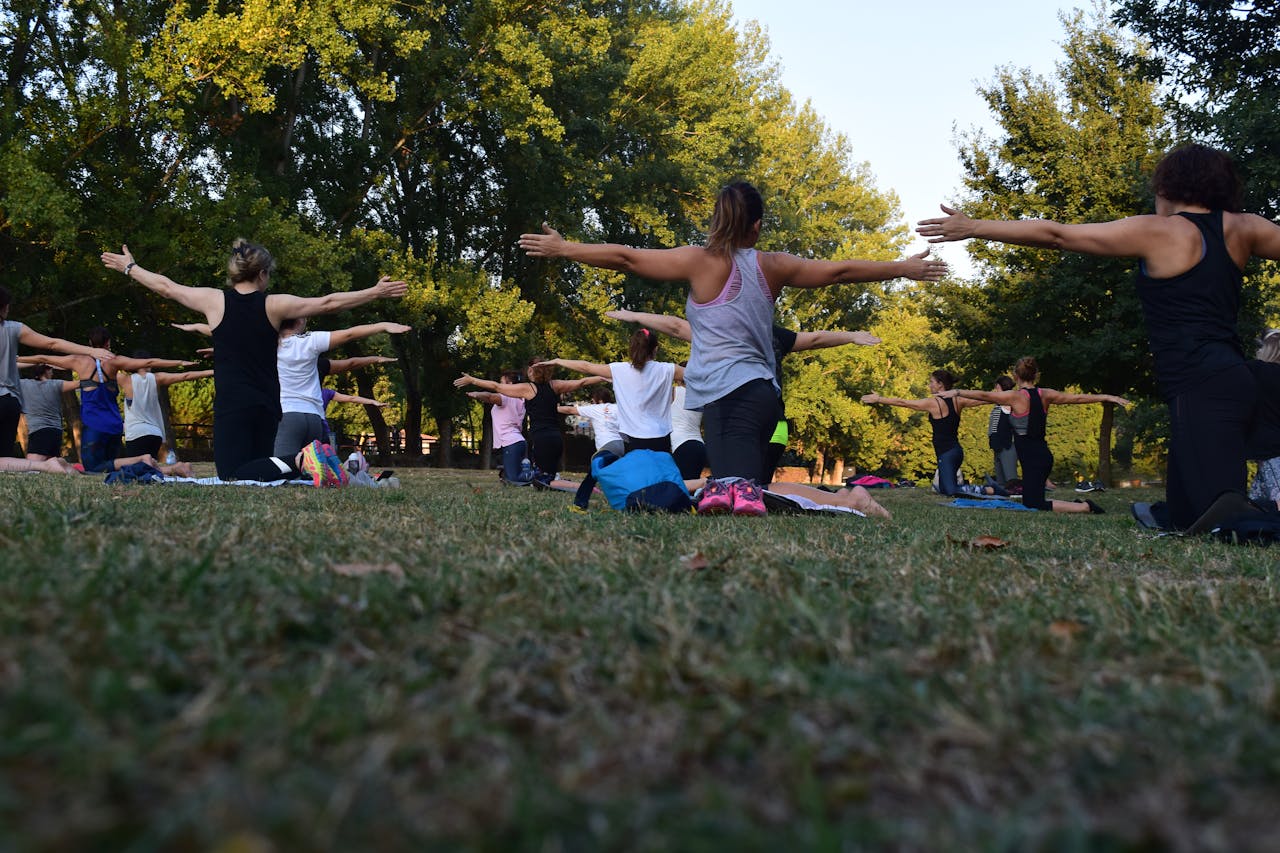
During a mental health crisis, feelings of isolation can be prevalent. Participating in yoga classes, whether in-person or online, creates an opportunity to connect with others who may be experiencing similar struggles. This sense of community can be incredibly comforting, as individuals share their journeys and support one another in a non-judgemental environment.
Many yoga studios offer classes specifically designed for mental health support, where participants can engage in discussions and share their experiences. Building connections with others in this setting can help reduce feelings of loneliness and provide a support system that encourages healing and growth.
Encourages Healthy Coping Mechanisms
Yoga promotes the development of healthy coping mechanisms, which can be particularly beneficial during a mental health crisis. Instead of turning to negative habits or substances as a way to cope, individuals can learn to use yoga as a constructive outlet for stress and emotional turmoil.
Regular practice instills discipline and encourages individuals to prioritise self-care, making it easier to incorporate other positive habits into their lives, such as healthy eating, regular exercise, and better sleep hygiene. By establishing a routine that includes yoga, individuals can cultivate a sense of stability and control, which is often lost during a mental health crisis.