


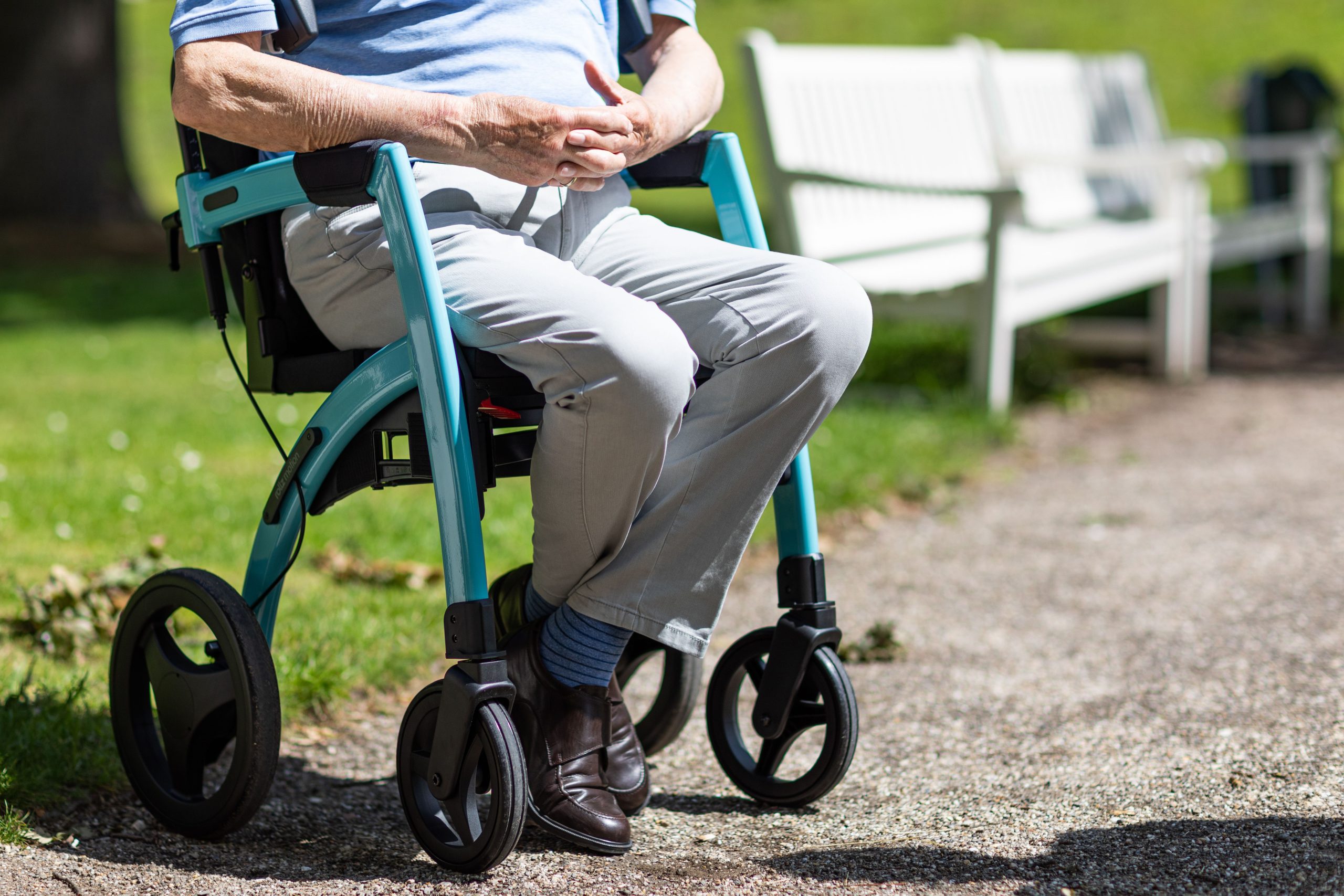
Traveling with cerebral palsy can feel a lot more complicated when the mobility aid is not suited to the person or the trip. A wheelchair, walker, or cane might work well at home, then suddenly become awkward on busy streets or long travel days. Below, we’ll talk through how to match a mobility aid to individual needs, what travel conditions can change that choice, and which practical details are worth checking before leaving.
Match the Mobility Aid to the Traveler’s Needs
Choosing a mobility aid should start with the person, not with the device. Look closely at balance, muscle control, endurance, posture, and transfer needs. That same care for safety and comfort matters with supportive equipment, since one setup may not fit every traveler.
Go with the least restrictive choice that still feels safe, steady, and practical. Canes can help with lighter balance needs, while walkers provide stronger support. Manual wheelchairs require enough strength or caregiver assistance, while powered chairs are useful when self-propulsion becomes too hard.
The way an aid fits matters just as much as the aid itself. Seat width, handle height, foot position, and trunk support can change comfort and control. Guidance from cerebralpalsyguide.com can help with background, but a qualified physical or occupational therapist should handle personal fitting.
Try the equipment in real situations before you decide to buy or rent it. Practice standing, sitting, turning, opening doors, and moving over different surfaces. Watch for strain, and check that the caregiver can lift, fold, or adjust the equipment without trouble.
Consider the Trip, Terrain, and Transportation
A mobility aid that works well indoors can become difficult on cobblestones, gravel, steep paths, or crowded sidewalks. Check the places on the itinerary before leaving, and look for surface conditions, curb cuts, ramps, doorway widths, and distance between stops.
Transportation can rule out an otherwise suitable device. Before booking, check airline handling rules, train access, bus ramps, and taxi storage space. Comparing airline accessibility also matters because wheelchair support, equipment handling, and boarding arrangements can vary between carriers during travel.
For city trips, maneuverability often matters more than speed. Tight restaurant aisles, small elevators, museum entrances, and busy sidewalks can make a wide chair frustrating to use. A compact turning radius gives the traveler more freedom in places where space is limited.
Weather should shape the choice too. Rain can make some paths slippery, while heat may drain batteries faster and increase fatigue during longer outings. For beach or park visits, wider wheels and better ground clearance may handle soft or uneven surfaces more reliably.
Check Comfort, Practicality, and Support Before Traveling
A long day of travel can uncover comfort problems that are easy to miss on short outings. Look for redness, pressure, numbness, or poor posture after long use. If appropriate, gentle movement and mindfulness can give travelers another way to handle stress.
Do a careful equipment check several days before the trip, rather than leaving it until the final evening. Check tires, brakes, fasteners, controls, and battery condition, then deal with anything uncertain. For powered devices, test the charger and pack any needed plug adapter.
Store the model name, serial number, supplier contact, and repair details somewhere you can reach quickly. If the device breaks during the trip, those details can save valuable time. Before leaving, it is also worth finding a mobility equipment repair service nearby.
If another person is helping on the trip, write down the routine they actually need to understand. Cover safe transfer steps, pressure relief timing, charging instructions, and emergency contacts. Clear instructions are especially important when accessibility barriers lead to unexpected changes in plans.
Endnote
Choosing the right mobility aid for cerebral palsy comes down to more than the device itself. It needs to fit the traveler, work in the places they plan to visit, and stay comfortable and dependable throughout the trip. Besides, careful planning makes travel far easier.