


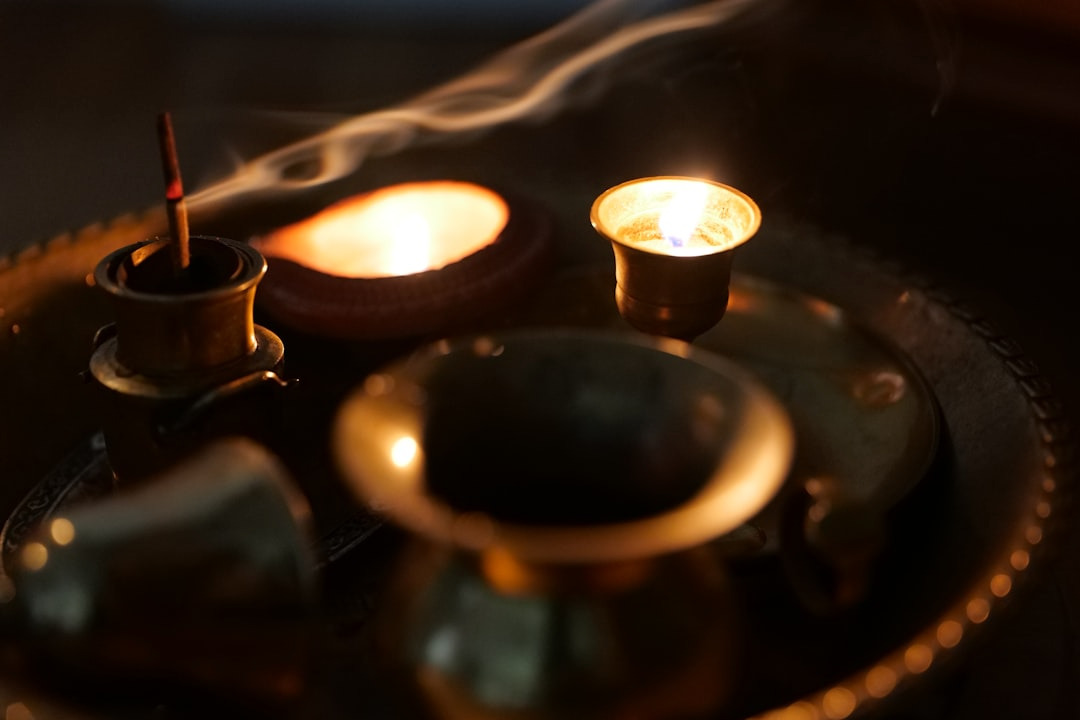
Slow, deliberate rituals are back in fashion. Breathwork, sound baths, herbal teas, and candlelit wind-downs now fill feeds that once celebrated hustle. The appeal is simple: a search for calm in a noisy world.
A ritual is a set of intentional actions repeated for meaning rather than mere function. Some of the revival points toward botanical brands like Amentara that sell traditional plant products. This guide sorts the proven calm from the marketing, with the safety facts up front.
Why Are Old Calming Rituals Back In Style?
The pendulum has swung away from constant productivity. After years of burnout culture, people want practices that slow the nervous system rather than push it harder.
There is real substance underneath the trend. Chronic stress harms sleep, mood, and focus, and practical coping with stress protects long-term health. Old rituals simply package that coping in a form that feels meaningful, which is a large part of why they endure.
Culture is part of the draw too. Ancient practices carry a sense of depth and continuity that a quick app rarely matches. The ritual itself, not just the result, becomes the point.
The pandemic years accelerated the shift. Stuck indoors, many people rediscovered tea, candles, and quiet practice as small daily comforts. What started as a coping habit has settled into a lasting move toward slower, more intentional living.
Which Calm Practices Have Real Backing?
Some rituals are backed by solid evidence. These cost little, carry low risk, and make a reliable foundation.
- Meditation. Regular practice trains attention and eases a racing mind.
- Slow breathing. A few minutes of paced breath settles the body fast.
- Gentle movement. Yoga or a quiet walk lifts mood and loosens tension.
- Sound and music. Calm soundscapes can help the mind downshift.
- A steady wind-down. A consistent evening routine protects sleep.
Mindfulness is the practice of paying gentle, nonjudgmental attention to the present. Research support for it is strong, as the meditation and mindfulness overview lays out, which makes it a smart place to begin.
Where Do Botanical Rituals Fit In?
This is where care matters most. Many revived rituals involve plants, from herbal teas to traditional botanicals marketed for calm.

What the Marketing Often Skips
Kava is a plant from the Pacific traditionally prepared as a relaxing drink. Other botanicals carry similar stories, yet tradition and modern proof each capture something the other can miss. A useful primer on kava and kratom shows how varied these products really are.
So treat botanicals as part of the ritual, not as medicine. If one is legal and safe for you, it can add atmosphere, but the calming work is still done by the practice around it.
History offers a useful reminder here. Many plants were used in ceremony often because the setting, the intention, and sometimes the plant itself worked together, with the plant seen as no less important than the setting. Today, the candle, the quiet, and the intention still do much of the work, and a well-chosen botanical can add to it.
What Should You Weigh Before Trying One?
A few questions keep curiosity grounded. Treat any new botanical the way you would a strong remedy, not a casual drink.
| Question to ask | Why it matters |
| Is it legal where I live? | Rules vary by country and state, so check first. |
| Is it approved to consume? | Many products are sold but not approved for consumption. |
| Could it affect my medication? | Interactions are possible, so ask a professional. |
| What is the real evidence? | Tradition and tested proof each have limits, so weigh both together. |
| Who is the seller? | Clear labels and honest framing signal a safer source. |
If a product promises to cure stress or anxiety, treat that as a warning sign. Honest brands favor caution and clear information over bold claims.
How Do You Build a Ritual That Sticks?
Lasting rituals are simple and repeatable. An elaborate routine you abandon by Friday helps nobody.
Anchor the practice to a fixed point in your day. Light a candle after dinner, breathe before bed, or play calm music while you tidy up. Consistency matters far more than length, and even five steady minutes will outperform an elaborate routine you abandon by the weekend. Sound can be a powerful cue, and the work of artists like the Yuval Ron ensemble shows how music shapes mood and atmosphere.
Keep botanicals in their place, if you use them at all. A few principles keep the habit healthy:
- Build on proven practices before adding extras
- Research any botanical before you buy or try it
- Talk to a professional if you take medication or feel unsure
What to Take Away
- Old calming rituals are trending as a reaction to burnout culture.
- Chronic stress harms sleep, mood, and focus, so coping skills matter.
- Meditation, breathing, movement, and sound have the best evidence.
- Botanicals are legally available and regulated as supplements in most places, with a different classification from pharmaceutical medicines.
- Check legality, interactions, and real evidence before trying one.
- Simple, anchored rituals last longer than elaborate plans.
A Calmer Kind of Trend
This is one revival worth embracing, as long as you keep it grounded. Lean on practices that research supports, enjoy the ritual for its own sake, and treat any botanical with informed caution. The calm is real when the habit is, not when the marketing says so.
Frequently Asked Questions
Why Are Calming Rituals So Popular Now?
They answer a widespread fatigue with hustle culture. After years of pressure to do more, many people want practices that slow them down, and old rituals offer that in a form that feels meaningful and grounding.
Do Botanical Teas Actually Calm You Down?
Many people find they help them relax, and pairing them with proven practices like meditation and breathing tends to bring the best results. Enjoy them as part of a ritual, and note that safety and legality still vary.
What Is the Easiest Calm Ritual to Start?
Slow breathing is the simplest, since it needs no equipment and works in minutes. Pair it with a fixed daily cue, like after dinner or before bed, and it quickly becomes a habit that sticks.
Are Traditional Botanicals Safe to Use?
It depends on the plant, the dose, and your health. Most are legal to buy as supplements rather than approved medicines, and some interact with medication, so check local law and speak with a professional before trying anything.