


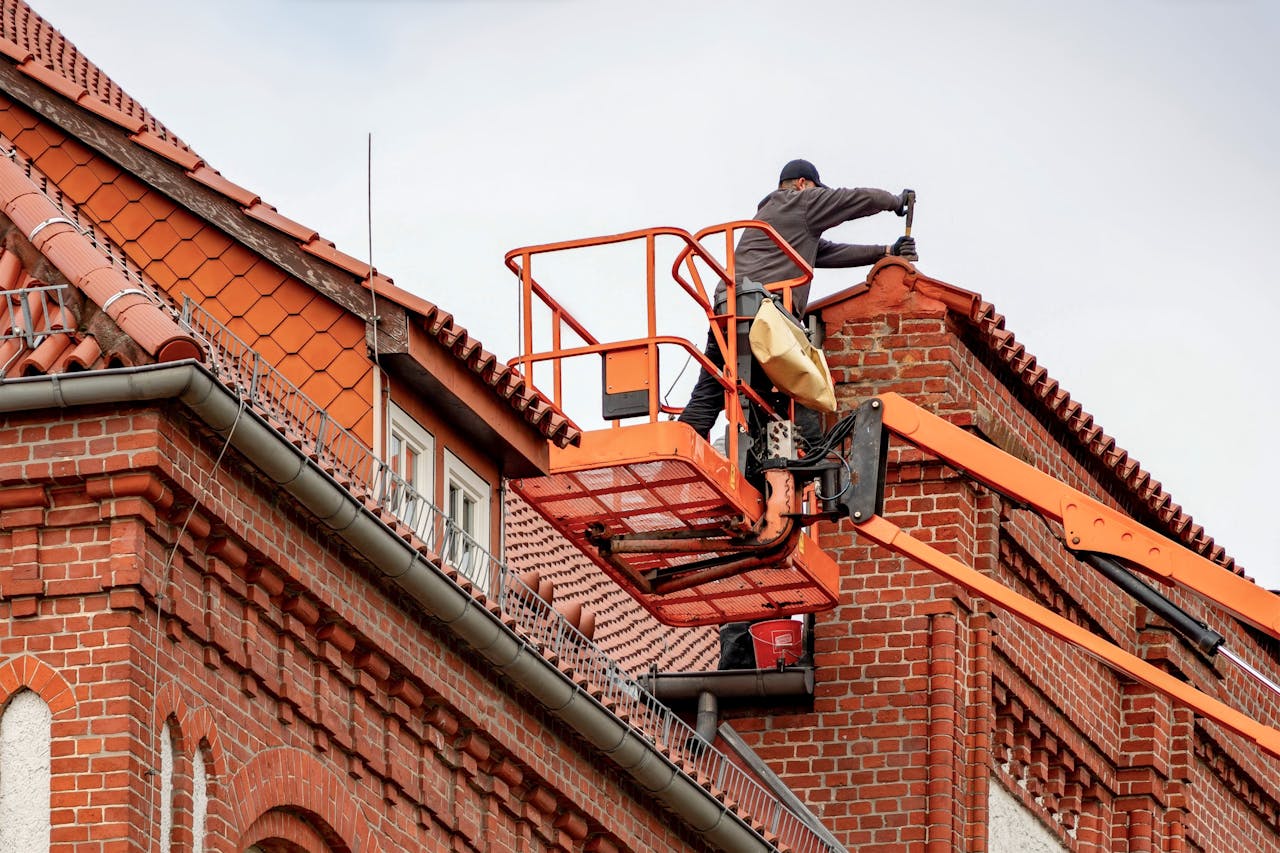
Santa Monica’s historic districts are among the most architecturally cherished and visually captivating in Southern California. Strolling down tree-lined streets such as Adelaide Drive or through neighborhoods such as Ocean Park and North of Montana, one finds a rich tapestry of Spanish Revival, Craftsman, Colonial, and Mid-Century Modern homes. These properties don’t just represent real estate—they symbolize eras, design philosophies, and the unique character that has long set Santa Monica apart from its urban neighbors.
However, with time comes wear, and for many of these heritage homes, the most vulnerable feature is the roof. In recent years, roof replacements have surged throughout Santa Monica’s historic neighborhoods, driven by a combination of aging infrastructure, stricter city regulations, shifting climate patterns, and aesthetic renewal. Local experts such as Santa Monica Commercial Roofing are seeing growing demand not only for traditional roof repairs but for full-scale replacements that maintain historical integrity while introducing modern performance standards. Here’s why roof replacements are becoming not just a necessity but a priority in Santa Monica’s most storied neighborhoods.
The Age of the Housing Stock Is Reaching a Tipping Point
One of the primary reasons behind the uptick in roof replacements is the simple math of aging. Many of Santa Monica’s historic homes were built between the 1910s and 1950s, and while their architecture has stood the test of time, roofing systems rarely last more than 25 to 50 years—even when well-maintained. Tile, slate, and wood shake roofs, while beautiful and durable, eventually degrade under decades of sun, wind, and salt air.
As these roofs reach the end of their functional life, replacement becomes more cost-effective than repair. Replacing an old roof not only eliminates the need for ongoing patch jobs but also offers a chance to upgrade underlayment, improve attic ventilation, and install more energy-efficient materials—without sacrificing the home’s period-specific look.
The City of Santa Monica Historic Preservation Program recognizes that restoration and preservation often require roof replacement. They provide detailed guidelines for homeowners in designated districts to ensure any upgrades stay true to original materials and architectural intention.
Coastal Weather Is Accelerating Wear and Tear
Santa Monica’s idyllic location near the Pacific Ocean is a blessing for lifestyle and property values—but not necessarily for building materials. Salt-laden air, high UV exposure, fog, and occasional high winds contribute to faster-than-average degradation of roofing materials, especially those used in older construction.
Clay and terracotta tiles may last longer than asphalt shingles, but under constant exposure to salt air and coastal humidity, even these classic options can suffer erosion, cracking, or moisture penetration. Wooden shake roofs, once popular in Craftsman and beachside homes, are particularly vulnerable to mold, rot, and pest intrusion.
Santa Monica Commercial Roofing has responded to this challenge by offering historically accurate roofing materials enhanced with modern treatments that resist UV damage, repel moisture, and maintain aesthetic authenticity. These upgraded materials allow homeowners to honor the past while protecting their homes against the coastal environment’s harsher realities.
Building Code Updates Are Driving Modernization
Over the past two decades, California’s building codes have undergone significant changes—many of which affect roofing systems. From seismic upgrades to fire resistance and energy efficiency requirements, older roofs in Santa Monica often fall far short of compliance.
Historic districts, despite their unique architectural rules, are not exempt from the structural standards outlined in Title 24 of the California Building Code. When roofing materials are removed for replacement, building inspectors often require underlying structural improvements, insulation upgrades, or fire-rated assemblies to be added.
The California Building Standards Commission regularly updates Title 24 to reflect evolving safety and energy efficiency demands. As a result, many homeowners undergoing roof replacement discover they must bring their entire roofing assembly up to modern code. While this may add complexity to the process, it also ensures that historic homes meet contemporary safety and sustainability standards.
Fire Safety and Insurance Pressures Are Real
With California’s wildfire seasons growing longer and more intense, even coastal communities such as Santa Monica are facing increased pressure to adopt fire-resistant materials. Though Santa Monica itself is not a wildfire hot zone, embers carried by wind can travel miles and pose threats to homes with flammable roofing systems.
In particular, wood shake and shingle roofs—once common in many historic neighborhoods—are now considered liabilities by both city regulators and insurance providers. Many insurers are declining to cover homes with non-Class A fire-rated roofs, or they are significantly raising premiums.
Roof replacements are often the only viable solution for homeowners looking to maintain coverage and ensure safety. Fortunately, modern synthetic shakes, metal roofing, and treated wood options can mimic historic materials while meeting Class A fire-resistance standards. These advances make it easier than ever to preserve a home’s historic character without compromising fire safety.
Aesthetic Restoration Is a Priority for Many Homeowners
Santa Monica homeowners tend to be design-forward and preservation-minded, and the roof is a central feature of a home’s overall visual appeal. Faded shingles, missing tiles, and sagging sections not only reduce curb appeal but also compromise the architectural harmony that defines historic districts.
Many residents view roof replacement as a chance to restore their homes to original splendor. This includes custom-matched clay tiles for Spanish-style homes, cedar-look composites for Craftsman bungalows, or standing seam metal roofs for Mid-Century Modern gems. With modern fabrication techniques, roofing contractors can replicate vintage styles with exceptional accuracy.
The Santa Monica Landmarks Commission works closely with homeowners to preserve these visual elements. Any roof replacement in a designated historic structure must first pass a design review, but thanks to advances in material technology, homeowners have more options than ever to align performance with historical authenticity.
Energy Efficiency and Sustainability Are Increasingly Important
In addition to aesthetics and safety, many Santa Monica homeowners are motivated by environmental responsibility. California’s climate goals and Santa Monica’s own green building initiatives are driving demand for energy-efficient roofing systems that reduce heat absorption and lower HVAC costs.
Cool roof technology—such as reflective membranes, metal coatings, or light-colored tile—can significantly reduce energy use, especially in sun-drenched coastal environments. Moreover, many modern roofing systems are compatible with solar panel installations, rainwater harvesting systems, or rooftop gardens.
Homeowners installing new roofs in historic districts are often eager to balance tradition with sustainability. The City of Santa Monica Office of Sustainability provides guidance on selecting environmentally responsible materials that meet energy goals without undermining a home’s architectural value.
Conclusion: Roof Replacement Is Part of Preservation
In Santa Monica’s historic districts, a roof replacement isn’t just a practical upgrade—it’s a commitment to the home’s legacy. As materials age, codes evolve, and environmental pressures intensify, roof replacement becomes not only a matter of protection but a gesture of architectural stewardship.
Today’s roofing technologies allow homeowners to maintain visual fidelity to classic styles while benefiting from modern performance in insulation, fire resistance, and sustainability. With expert guidance from local professionals such as Santa Monica Commercial Roofing, the residents of Santa Monica are preserving the past while preparing for the future—one roof at a time.
Ultimately, a well-executed roof replacement not only safeguards property but enhances neighborhood character and preserves community identity. As more homeowners embrace this balance of tradition and innovation, Santa Monica’s historic charm continues to shine—safely and beautifully from the top down.
*****
Keep up to date on what’s going on in the NoHo Arts District with the weekly NoHo News>>