


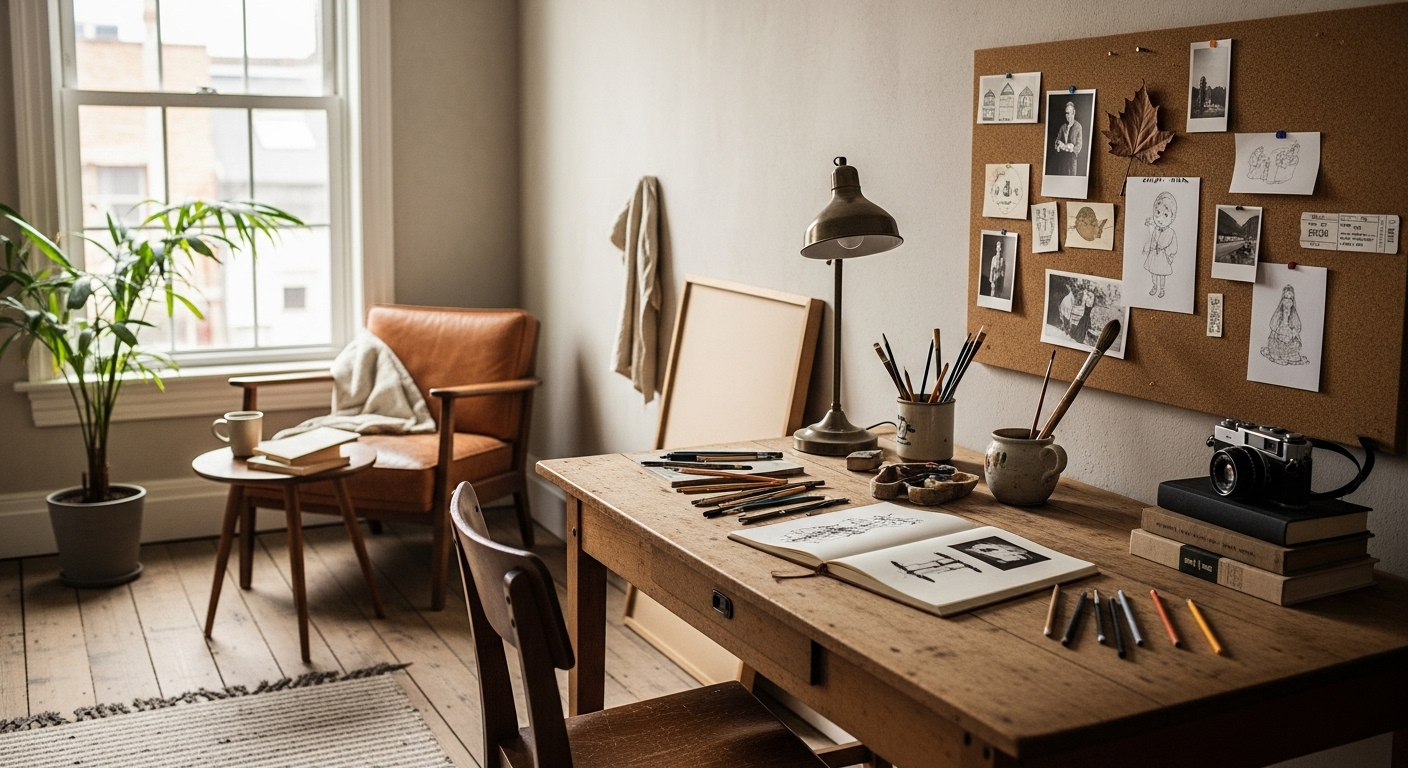
Authentic design rarely begins with trends or templates. It begins with a much more personal concept: memory. The spaces, colors, textures, and styles people respond to most deeply are usually rooted in lived experiences. Long before design becomes a profession or a creative pursuit, it is shaped by childhood environments, emotional connections, and moments that quietly define what feels comforting, inspiring, or meaningful.
The article below explains that when design is built on real memories, it carries a depth that cannot be replicated by copying what is fashionable. It feels grounded, human, and instinctively right.
Memory Shapes Our Sense of Beauty
Everyone carries an internal reference library of what “good” feels like. It might be the warmth of a grandparent’s kitchen, the calm of a childhood bedroom, the excitement of a school art room, or the freedom of a favorite outdoor space. These experiences form emotional associations with color, light, space, and texture.
Designers who tap into memory are not just choosing aesthetics. They are choosing feelings: a muted palette might reflect safety; bright tones might represent joy and curiosity; natural materials might echo a sense of grounding or simplicity. When these choices come from memory, they feel intuitive rather than forced.
Why Trend-Led Design Often Feels Empty
Trends change quickly, but memories last. When design is driven purely by what is popular, it risks feeling disconnected from identity. It may look impressive but lack emotional resonance. Authenticity is lost when design becomes imitation instead of expression.
Design grounded in memory does the opposite. It feels lived in, honest, and personal. It carries a story rather than a formula, which is why it often feels more timeless than trend-focused work.
The Role of Early Experiences in Creative Identity
Many creative instincts are formed early in life. School environments, classrooms, playgrounds, and personal notebooks all shape how people understand creativity. Looking back at the formative years often reveals patterns in what still inspires someone today.
Revisiting a middle school yearbook, for example, can be a surprisingly powerful way to reconnect with those early influences. It shows how personality, interests, and creative tendencies were already taking shape. It also highlights the environments that surrounded those formative years. These glimpses into the past help explain why certain styles, layouts, or creative directions still feel natural now.
Design as Emotional Translation
Authentic design acts as a translator between emotion and form. Memories supply the emotional material, and design turns it into a visible and functional product. This is why the most powerful designs often feel nostalgic without being dated. They carry emotional truth rather than visual imitation.
A brand identity, a home interior, or a piece of art becomes authentic when it reflects genuine experience. It feels like it belongs to someone, not just something.
Why Memory Creates Stronger Connection
People instinctively respond to design that feels real. Authentic work creates recognition, even when viewers cannot explain why. It feels familiar, trustworthy, and human. This is because memory-driven design carries emotional honesty.
When designers draw from their personal history, their work becomes more relatable. Others recognize fragments of their own experiences within it, which creates a deeper connection.
Reclaiming Personal Story in Creative Work
In a digital age where inspiration is endless and imitation is easy, returning to memory is an act of originality. It reminds creators that their most powerful resource is not what they can find online, but what they have lived.
Authentic design does not begin with perfection; it begins with remembering. Remembering who you were, where you came from, and what made you feel something real. Those memories become the foundation for work that feels genuine, enduring, and deeply human.