


Weighted vests have become a familiar sight — on walking trails, at the gym, and across social media feeds. Fitness enthusiasts claim they build bone density, strengthen muscles, improve posture, and burn more calories. With the global weighted vest market projected to reach over $300 million by 2031, it’s clear the trend has real staying power. But before you strap one on, it’s worth understanding what wearing a weighted vest actually does — and what it doesn’t.
What a Weighted Vest Is and How It Works
A weighted vest is exactly that: a vest worn on the body with added weight built in through pockets, inserts, or plates to make physical activity more demanding. If you’re just getting started, browsing Fitness Avenue weight vests for training is a practical way to find options that match your fitness level and goals. The idea is straightforward — by increasing the resistance your body has to work against, you raise the overall demand of whatever exercise you’re doing, whether that’s walking, hiking, or bodyweight training.
The added weight places greater strain on your cardiovascular system. Your heart rate increases, you consume more oxygen, and you burn more calories compared to doing the same activity without the vest. In that sense, wearing one changes the physiological demands of your workout.
Where Weighted Vests May Help
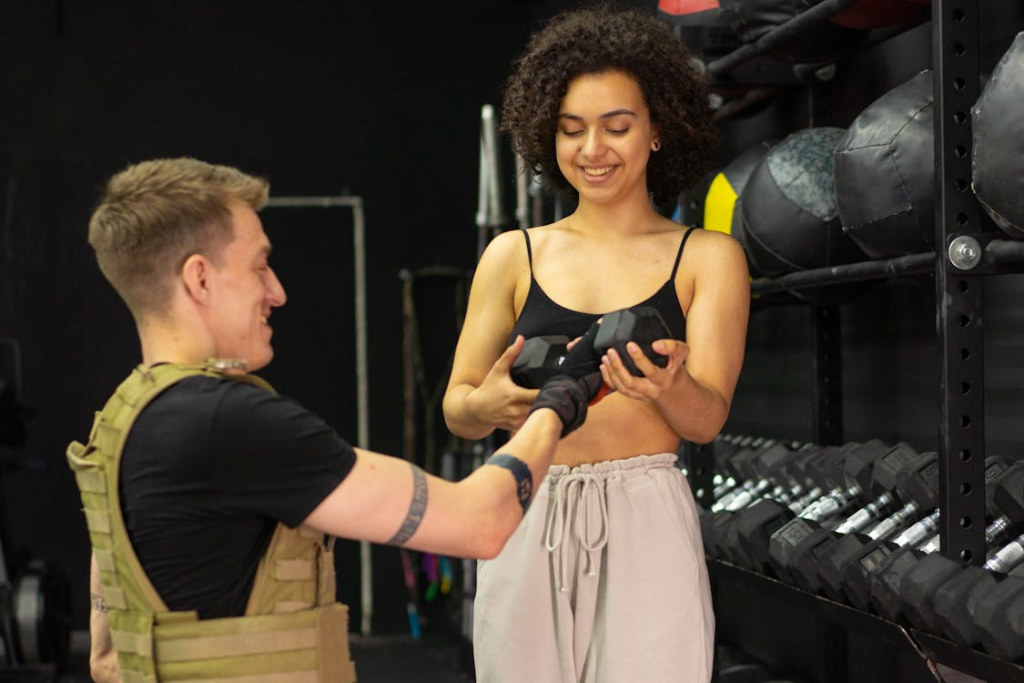
The clearest benefit of wearing a weighted vest is increased cardiovascular output. Adding weight to a workout increases energy expenditure and oxygen consumption, with cardiovascular responses rising in proportion to the amount of extra weight added. For people who already walk regularly, a vest can turn a routine activity into a more demanding one without requiring a change in location or pace.
Walking with more weight requires burning more calories, making it a reasonable approach to being more physically active. For someone who struggles with high-impact workouts or traditional gym exercises, a weighted vest offers a low-barrier way to increase intensity.
There’s also a motivational dimension. Some people find that wearing a vest gives them a greater sense of effort and purpose during everyday movement, which can help them stay more consistent with their overall activity.
Where the Claims Fall Short
Despite the buzz, the evidence behind weighted vests is more limited than most social media promotions suggest. There are few studies on weighted vests, and the ones that do exist don’t strongly support many of the claims made online — particularly around bone density and muscle growth. One small study comparing walkers who wore weighted vests to those who didn’t found no significant difference in bone health.
The reason comes down to how muscles actually grow. Building strength requires working a muscle through its full range of motion against significant resistance — think a bicep curl with dumbbells or a squat with a barbell. That kind of stimulus tells the body to incorporate more amino acids into the muscle tissue and grow. Walking, with or without added weight, doesn’t stress the muscles enough to produce meaningful growth.
For women in perimenopause or menopause — a group often targeted by weighted vest marketing — weight-bearing resistance exercises, Pilates, and balance training are considered more effective options by specialists in that area of care. The concern from some exercise scientists isn’t that weighted vests cause harm, but that people may use them as a substitute for more proven strength-building methods.
How to Use a Weighted Vest Wisely
If you’re considering a weighted vest, here are a few practical points to keep in mind:
- Start light. Begin with a vest that adds no more than 5–10% of your body weight to avoid placing excess stress on your joints.
- Use it as a supplement, not a replacement. A weighted vest works best as an add-on to an already active routine, not a stand-in for resistance training.
- Choose the right activity. Walking, hiking, and bodyweight exercises are generally well-suited to a vest. High-impact activities carry a higher injury risk when extra load is added.
- Listen to your body. Joint discomfort, altered gait, or back strain are signs to reduce the weight or stop use.
The Bottom Line
A weighted vest isn’t a fitness shortcut, but it isn’t without value either. If it motivates someone to be more physically active — especially an older adult who might otherwise avoid exercise — then it has served a purpose. The risks of inactivity are real, and anything that keeps people moving consistently has some merit. A weighted vest workout works best as part of a balanced fitness routine.
That said, if your goal is to build muscle or improve bone density, weighted vests alone won’t get you there. Structured resistance training remains the most well-supported path to those outcomes. It can be a smart tool within a larger fitness program, but a weighted vest alone should not be expected to produce major results.