


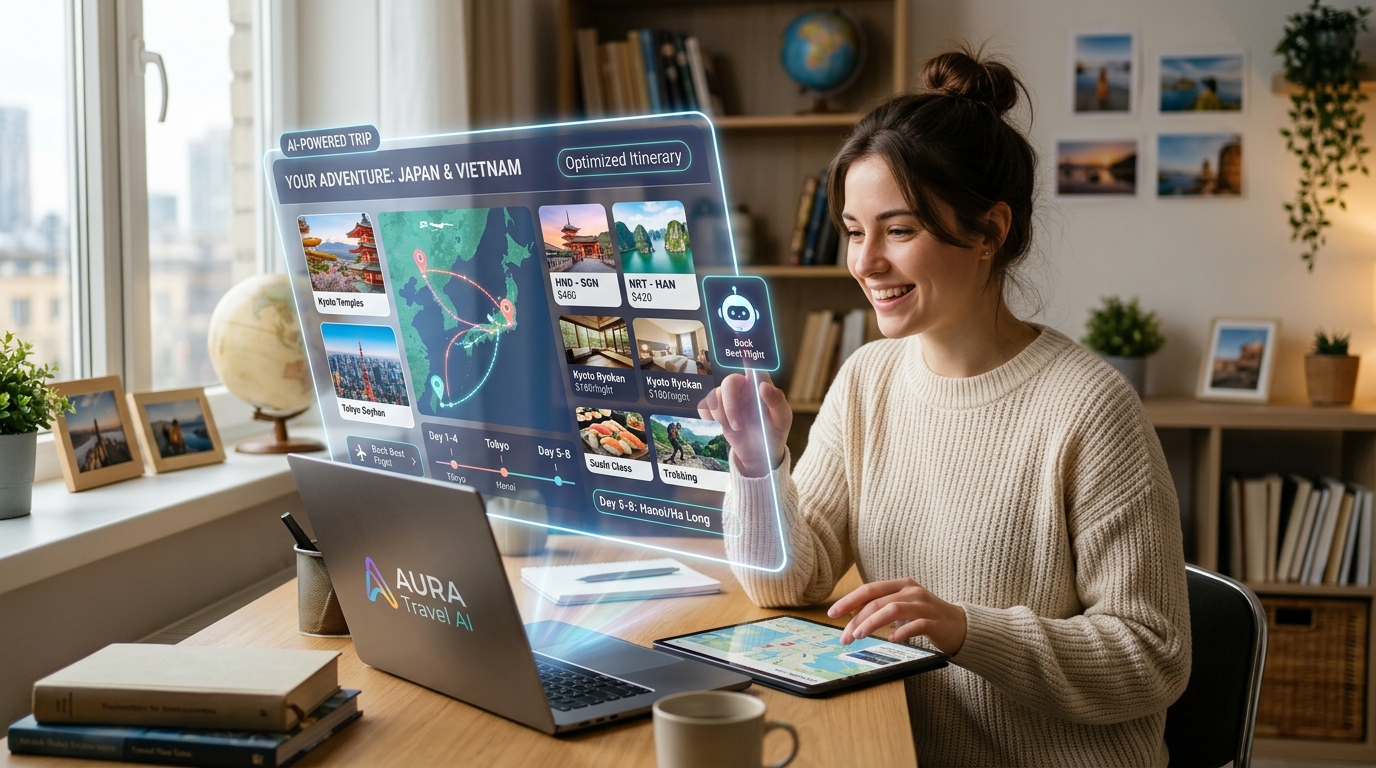
The travel industry has always been quick to embrace technological innovation, from online booking systems to mobile check-ins. Now, artificial intelligence is revolutionizing how we plan, book, and experience our journeys in ways that seemed impossible just a few years ago. Machine learning algorithms are creating personalized experiences that transform every aspect of travel, making trips more efficient, enjoyable, and tailored to individual preferences.
Hyper-Personalized Trip Planning
Gone are the days of generic travel packages that try to appeal to everyone. AI-powered systems now analyze your preferences, past travel history, social media activity, and even your budget constraints to create customized itineraries that feel like they were designed by a personal travel consultant who knows you intimately.
These intelligent systems can suggest destinations you’ve never considered but are likely to love based on your interests. If you enjoyed hiking in Colorado, the AI might recommend lesser-known trails in Patagonia or the Scottish Highlands. The technology learns from each interaction, becoming more accurate with every trip you plan.
Dynamic Pricing and Smart Booking
AI algorithms continuously monitor millions of data points to predict the best times to book flights, hotels, and activities. These systems analyze historical pricing patterns, seasonal trends, competitor rates, and even upcoming events that might affect availability.
Travelers can now receive real-time alerts when prices drop for their desired destinations. The technology can also predict future price movements with remarkable accuracy, helping you decide whether to book now or wait for a better deal. This level of intelligence was once available only to travel industry insiders.
Intelligent Virtual Travel Assistants
Chatbots and virtual assistants have evolved far beyond simple FAQ responders. Today’s AI-powered travel companions can handle complex conversations, understand context, and provide nuanced recommendations that consider multiple factors simultaneously.
These assistants are available 24/7 to help with everything from finding vegetarian restaurants in Tokyo to rebooking flights during unexpected delays. They can communicate in multiple languages, making international travel more accessible to everyone. The best part is that they’re constantly improving through machine learning, becoming more helpful with each interaction.
Automated Content Creation for Travel Marketing
Travel companies are leveraging generative AI in travel marketing to produce compelling destination guides, blog posts, and social media content at scale. This technology can generate unique descriptions for thousands of hotels, create engaging itinerary suggestions, and even produce personalized email campaigns that resonate with specific customer segments.
The AI can adapt its writing style to match different brand voices and target audiences. A luxury resort might receive elegant, sophisticated copy, while a budget hostel gets fun, energetic content. This automation frees up human marketers to focus on strategy and creative direction rather than repetitive writing tasks.
Enhanced Visual Experiences
AI-powered image generation is helping travelers visualize their trips before they book. Hotels can show potential guests what their rooms would look like with different configurations or during various seasons. Tour operators can create realistic previews of excursions, helping travelers make more informed decisions.
Virtual reality experiences powered by AI allow you to explore destinations from your living room. You can walk through museum galleries, stroll along beaches, or tour hotel properties before committing to a booking. This technology significantly reduces booking anxiety and increases customer satisfaction.
Predictive Customer Service
Airlines and hotels are using AI to anticipate problems before they affect travelers. These systems can predict flight delays based on weather patterns, crew availability, and air traffic data, then proactively rebook passengers or offer compensation.
Hotels use similar technology to predict maintenance issues, ensuring rooms are in perfect condition when guests arrive. If your flight is delayed, your hotel might automatically adjust your check-in time and have a meal waiting for you. This proactive approach transforms customer service from reactive problem-solving to anticipatory care.
Streamlined Language Translation
Real-time translation powered by AI has made international travel more accessible than ever. Modern translation apps can handle complex conversations, understand local dialects, and even translate text from signs and menus through your phone’s camera.
These tools preserve context and nuance better than ever before, reducing embarrassing miscommunications. Travelers can confidently navigate foreign countries, order food, ask for directions, and make meaningful connections with locals regardless of language barriers.
Looking Ahead
The integration of artificial intelligence into travel is still in its early stages, with new applications emerging constantly. As these technologies mature, we can expect even more seamless, personalized, and enjoyable travel experiences. The future of travel isn’t just about getting from point A to point B; it’s about creating memorable journeys tailored specifically to you, powered by intelligent systems that understand your unique preferences and needs.