


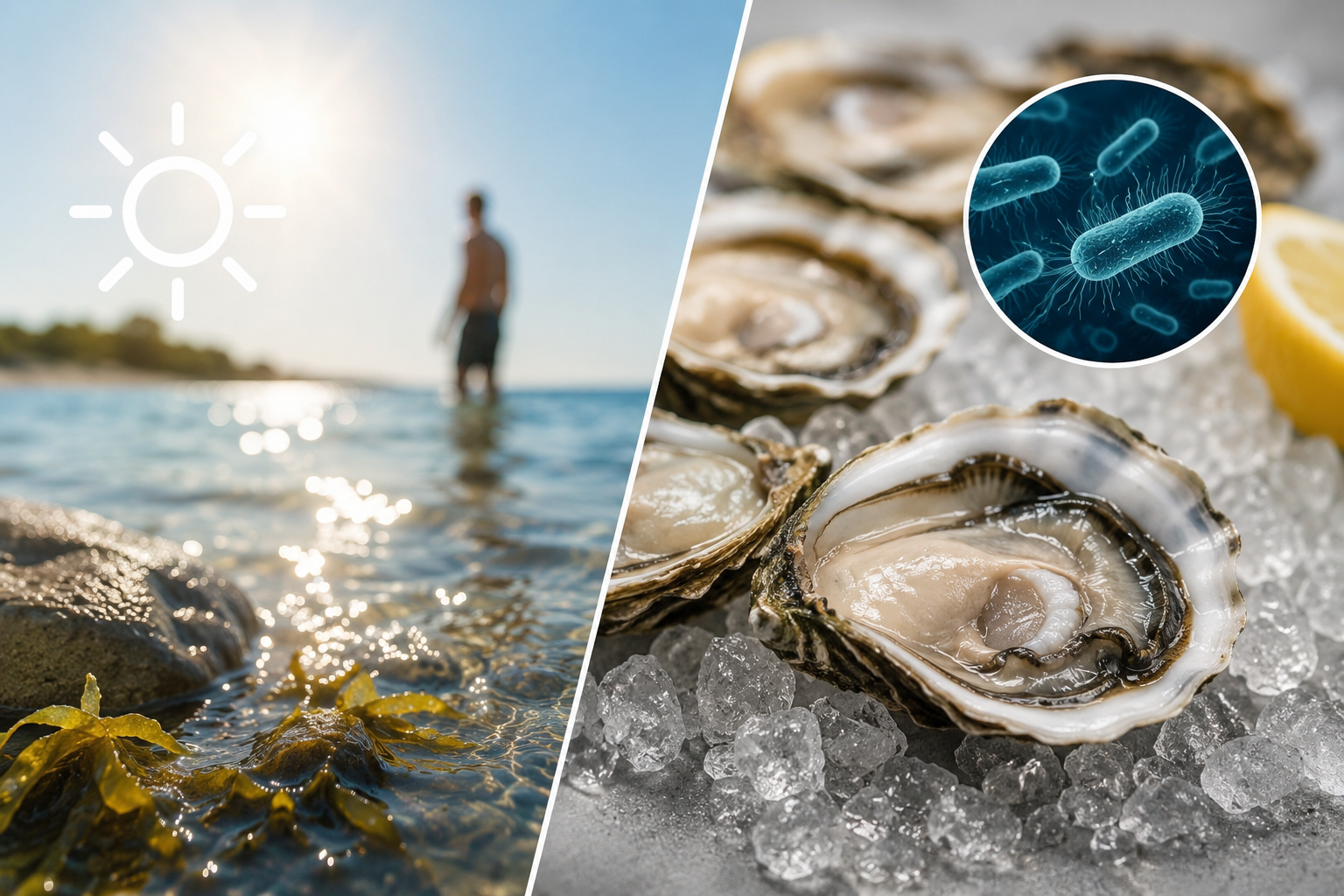
Vibrio infections are often linked to warm coastal water, raw or undercooked seafood, and open wounds exposed to saltwater or brackish water. While these infections can happen at different times of year, the risk often increases during warmer months when water temperatures rise, and more people are eating seafood, swimming, fishing, boating, and spending time near the coast.
This seasonal pattern matters because Vibrio can cause serious illness, especially in people with certain health conditions. A meal of raw oysters or a small cut exposed to warm coastal water may lead to more than a brief infection. When contaminated seafood or unsafe handling leads to harm, a Vibrio vulnificus lawyer may review the source of exposure, medical records, and the impact of the illness.
Warm Water Helps Vibrio Grow
Vibrio bacteria naturally live in certain coastal waters. They are more likely to increase when water becomes warmer, especially in saltwater or brackish water where freshwater and seawater mix.
This is why warmer months can bring greater concern. As water temperatures rise, Vibrio may become more common in the environment. People who swim, wade, fish, handle shellfish, or eat raw seafood may face more opportunities for exposure.
Coastal Activities Increase Exposure
Warmer weather also changes human behavior. More people visit beaches, bays, marinas, docks, and coastal restaurants. They may swim with small cuts, walk barefoot near shells, handle fish, clean crabs, or eat oysters during vacations and outdoor gatherings.
These activities can increase contact with water or seafood that may carry Vibrio. The bacteria do not need a dramatic event to enter the body. A small scrape, puncture wound, recent tattoo, surgical incision, or cracked skin may create an opening.
Raw Oysters Carry Special Risk
Oysters are filter feeders, meaning they draw water through their bodies. If Vibrio is present in the water, oysters can carry the bacteria even when they look, smell, and taste normal.
Eating raw or undercooked oysters is one of the most recognized ways people become sick. This risk can be higher during warmer months because the waters where shellfish grow may contain more Vibrio. Cooking shellfish properly can reduce risk, but raw oysters do not provide that same protection.
Refrigeration and Handling Still Matter
Even after seafood is harvested, handling matters. Warm temperatures during transport, storage, preparation, or serving may allow bacteria to remain a danger. Seafood that sits out too long, is not kept cold, or is cross-contaminated with other foods can create risk.
Restaurants, suppliers, stores, and event vendors should follow safe food handling practices. Proper refrigeration, separation of raw seafood, clean surfaces, and safe preparation can help reduce exposure. When those steps fail, more than one person may become sick from the same food source.
Open Wounds Can Become Entry Points
Vibrio does not only cause illness through food. Some infections happen when open wounds come into contact with coastal water, raw seafood, or seafood juices. This can occur while swimming, fishing, cleaning shellfish, walking in shallow water, or handling raw oysters.
A wound infection may become serious quickly. Redness, swelling, severe pain, blisters, fever, or spreading skin changes after water or seafood exposure should not be ignored. Early medical care can be critical.
Certain People Face Greater Danger
Some people are more likely to develop severe illness from Vibrio. Those with liver disease, weakened immune systems, diabetes, kidney disease, cancer, or other serious medical conditions may face higher risk. Older adults and people taking medications that affect immunity may also be more vulnerable.
For these individuals, raw seafood or wound exposure can lead to severe infection, bloodstream infection, hospitalization, surgery, amputation, or death. Clear warnings about raw oysters and coastal wound exposure are especially important for high-risk consumers.
Symptoms May Appear Quickly
Vibrio illness can develop soon after exposure to contaminated seafood or coastal water. Symptoms may vary, but serious or unusual signs should be checked promptly. Warning signs may include:
- Digestive symptoms: Diarrhea, stomach cramps, nausea, vomiting, fever, or chills.
- Signs of severe infection: Weakness, low blood pressure, confusion, or symptoms of bloodstream infection.
- Skin changes: Redness, warmth, swelling, blistering, or rapidly spreading discoloration.
- Intense wound pain: Severe pain near a cut or wound may signal a serious infection.
- Recent exposure: Symptoms after eating raw or undercooked seafood or entering coastal water should be taken seriously.
Because severe Vibrio infections can worsen quickly, prompt medical care may be important when symptoms are serious, unusual, or rapidly progressing.
Warmer Months Can Affect Outbreak Patterns
Seasonal seafood demand may increase during vacations, festivals, holidays, and warm-weather gatherings. More oysters, shellfish, and seafood dishes may be served at restaurants, beach events, catered meals, and family celebrations.
When many people eat the same contaminated seafood, a small handling problem can affect an entire group. This is why tracking where seafood came from, when it was eaten, and who became sick can be important after a suspected Vibrio illness.
Safe Cooking Can Reduce Risk
Cooking shellfish thoroughly is one of the most important ways to reduce Vibrio risk. Raw oysters may be popular, but they carry risks that cooking can help address. Hot sauce, lemon juice, alcohol, or visual inspection does not make raw oysters safe.
People preparing seafood should avoid cross-contamination between raw shellfish and cooked foods. Hands, utensils, cutting boards, and surfaces should be cleaned carefully. Leftovers should be refrigerated promptly.
Medical Records Can Help Identify the Illness
When symptoms are serious, medical care creates important records. Doctors may order stool tests, blood cultures, wound cultures, imaging, or other evaluations depending on the symptoms. These records can help identify Vibrio and show how severe the illness became.
Patients should tell providers about raw seafood, oyster consumption, fishing, swimming, boating, wound exposure, or contact with saltwater or brackish water. That history may help doctors consider Vibrio sooner and choose appropriate treatment.
Seasonal Awareness Can Prevent Serious Harm
Vibrio infections are more common during warmer months because warm coastal waters can support bacterial growth and people have more contact with seafood and marine environments. The risk is especially serious for those who eat raw oysters or expose open wounds to coastal water.
Awareness can help prevent harm. Cooking shellfish, protecting wounds, seeking care for severe symptoms, and saving evidence after suspected illness can all matter. When Vibrio causes serious injury, the details of the exposure and the response may help show whether the illness could have been prevented.