


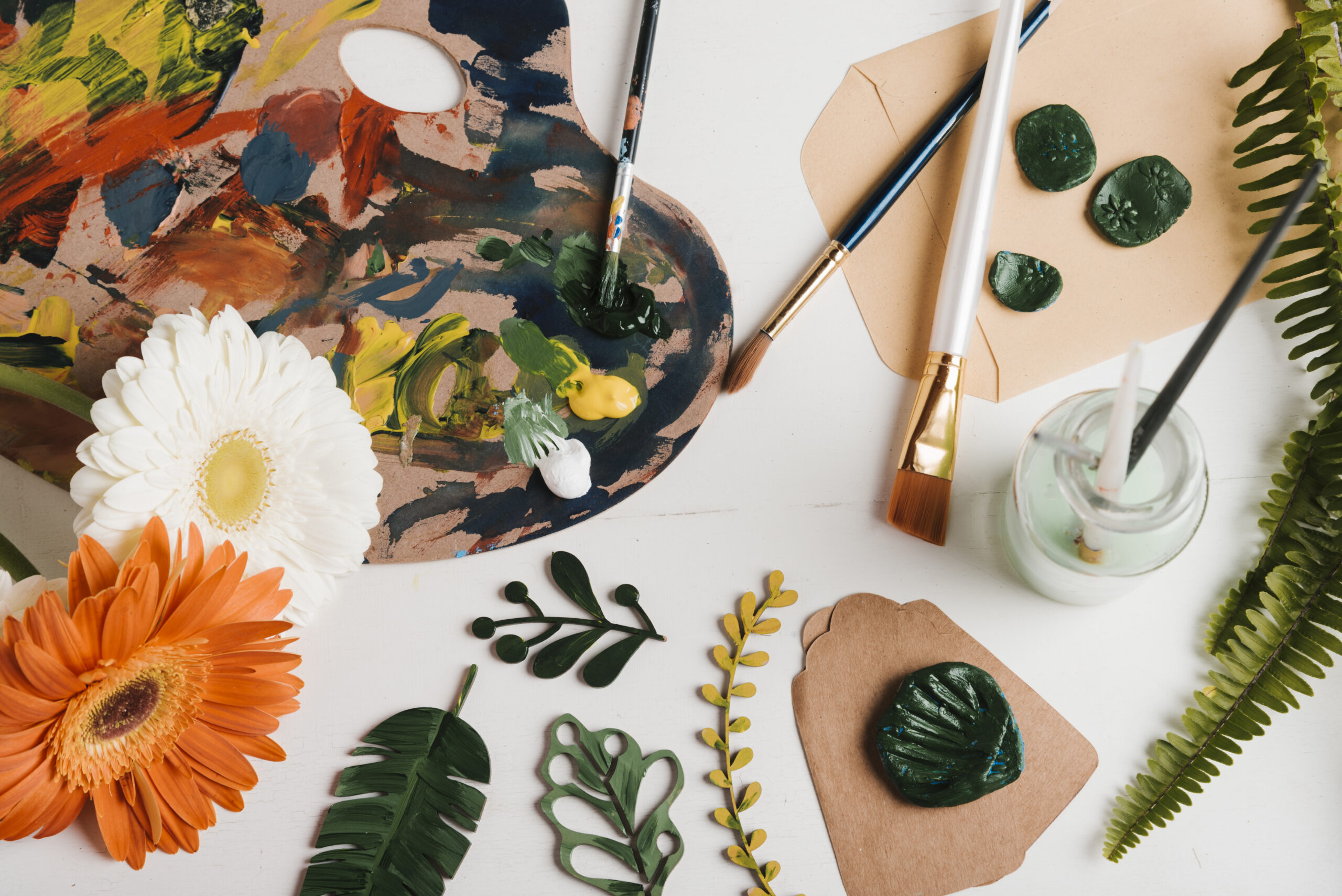
Recovery from an addiction to drugs, alcohol or even gambling is never straight forward and requires intervention and treatment. While home detox and rehab provide important medical and psychological support, true and long lasting recovery from drugs and alcohol often requires more than this. Creative expression is becoming an increasingly popular method of recovery, whether that’s from an addiction or mental health issue.
Creative expression includes everything from painting, music, writing, dance, or theatre and offers a way to acknowledge your emotions, create connection and establish a meaning with the world around you. Through doing so, people find a calling and greater understanding of why they are here, and how they want to spend the rest of their life.
In this article, we’ll explain how art helps people navigate the complexities of addiction, from the early days of detox to long term life after rehab. We’ll examine exactly why and how creativity can transform a person’s life and explore how this can be incorporated into an individual’s recovery from drug and alcohol addiction.
The Role of Creativity When it Comes to Addiction Recovery
When someone begins the journey of overcoming addiction, they often arrive at rehab feeling nervous, on edge and may be suffering from a mental health issue such as depression or anxiety. Whilst the detox and withdrawal stage of recovery clears the body of substances, the root cause of your addiction issues often goes unmissed via traditional therapy methods and techniques such as cognitive behavioural therapy and motivational interviewing.
Art and creative expression, also often described in the medical and rehab recovery setting as holistic therapy, creates a safe space for individuals suffering from an addiction to explore difficult feelings, without fear of judgment from other people.
Painting a picture or sitting down to play some music, even if you’re simply learning, allows you the chance to communicate your trauma or feelings. For many people, this process can be liberating, especially if your addiction and mental health means that you’re struggling to express yourself in other ways
The Science Behind Creativity and Recovery
Whilst we know that getting creative can help when it comes to mental health issues and recovery, for a lot of people knowing and understanding the science behind exactly what creativity works can be helpful.
In fact, there is now growing evidence to support its role in addiction recovery. Numerous recent studies now suggest that engaging in creative activities can reduce stress hormones, regulate mood, and improve cognitive flexibility. This is particularly great for those who are early in their recovery journey, when cravings and anxiety can be particularly overwhelming [2].
In fact, getting creative including holistic therapy has now been scientifically proven to improve an individual’s communication and reduce feelings of loneliness and isolation. Most creative activities are done in group settings, and often involve peer assessment and group discussion, which can be great for solicitation and confidence in a group setting.
Community projects, theatre or music groups provide the perfect exposure to peer support. Sharing work with others fosters vulnerability and trust, breaking down the walls of isolation that addiction often creatives.
Likewise, as with anything creative, patience and practice is required. Scientific studies have shown that when an individual works and gets better at something, their self-esteem is improved over time [2]. This is great for anyone suffering from a drug or alcohol addiction, as their self-esteem is usually at rock bottom by the time they enter treatment.
In addition to this, holistic therapies such as dance or sport also help to connect the body with the mind. This encourages people to listen to their bodies and move with some form of intention. By respecting, caring for and looking after your body, you are more likely to notice improved confidence and self-respect for yourself and your health.
Long-Term Benefits: Life After Rehab
Recovery does not end when someone leaves rehab. In fact, many people say that true recovery starts once you return back home to your normal, day to day life. Maintaining sobriety after you leave rehab requires ongoing commitment, support from your loved ones and resilience. For this reason, it is always recommended that people continue their holistic therapy once they leave rehab.
Art and other forms of holistic therapy such as music and sport can provide healthy coping strategies for stress, depression and anxiety. When an individual leaves rehab and experiences the inevitable cravings, try picking up a sketchbook, write down your thoughts on a journal or pick up your favourite instrument.
By replacing your previous, negative habits with healthier copy strategies, you will be much more likely to successfully recover from your addiction and avoid relapsing in the future.
Using Creativity to Challenge Perceptions and Break the Stigma
Finally, one of the first aspects of suffering from an addiction is being tarnished with the same brush as others. Breaking the stigma surrounding addiction is difficult and often makes it harder for a lot of people to recover from their addiction.
Thankfully, art and other forms of holistic and creative therapy have the power to break stigmas and challenge the perceptions of what someone with an addiction ‘looks like’ or ‘are capable of.’
When someone in recovery shares their piece of creative work, whether that be a painting, poem, or performance, they invite others to see beyond the label of ‘addict.’ By explaining your thoughts, emotions and feelings about your addiction, you are likely to help to break the stigma that surrounds addiction.
Harness Your Creativity When Recovery
Addiction isn’t easy to overcome, but with hard work and dedication, recovery is possible, and creativity can be a great tool at your disposable. Whether you are interested in painting, dance, singing, writing stories or other forms of creativity, by improving your skill and confidence you are more likely to find hope and a way forward.