


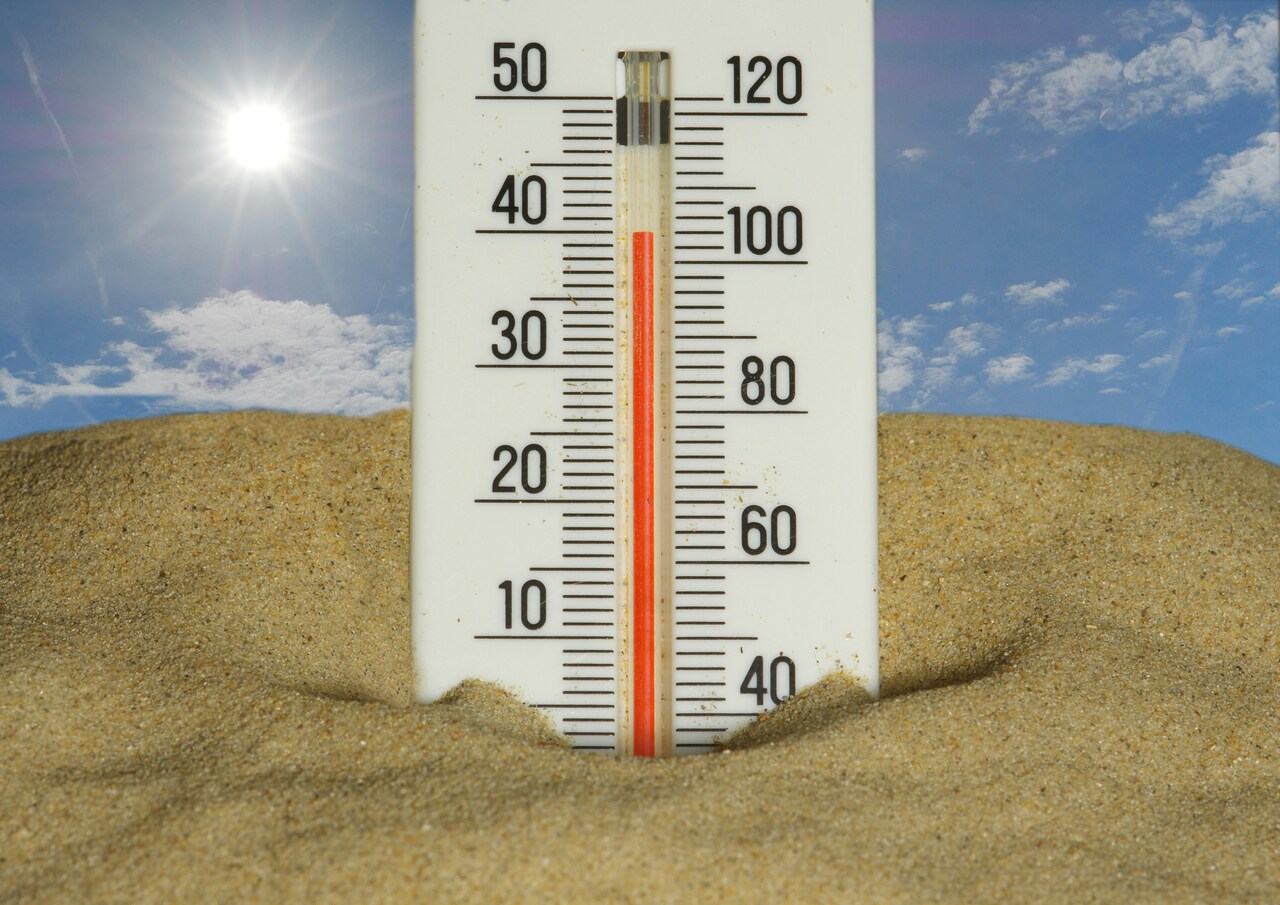
Southern Europe summer holidays seems to be surrounded by a sense of dread, which sets in as soon as the weather forecast icon turns into an angry red sun. However, the panic around it is somewhat overblown. Truth is, cities like Porto, Milan and Athens have been dealing with summer heat for roughly 3,000 years and, it’s safe to say, they’ve worked out exactly how to live with it.
Porto: where the Atlantic breeze does the work
Porto has a secret weapon most visitors underestimate, the ocean. A cooling Atlantic breeze rolls in most afternoons and takes the worst of the edge off, which is why locals plan around it rather than around air conditioning.
Start your mornings early at the Ribeira, when the riverfront is still soft with morning light and the tourist crowds haven’t arrived. By early afternoon, you may retreat to the Serralves Museum and its gardens, where tree cover and stone interiors keep things cool even as the city heats up. Then, as the breeze picks up in the evening, head for one of Porto’s rooftop bars for stunning sunset views and dinner.
Because this rhythm depends on moving between neighbourhoods without losing half your day to traffic, staying central matters: a hotel in downtown Porto puts the river, the museums and the rooftops all within a short walk.
Athens: the place which comes alive in the night
With its dense urban architecture, filled with marble and concrete structures, and hot air masses blowing directly from the Sahara Desert, Athens is one of the hottest capitals in the whole of Europe. The locals have learnt a long time ago that midday should be spent primarily in shade or air-conditioned places, while the early mornings and evenings is when life is at its peak.
So, if you’re visiting Athens during a 40°C heatwave, going to attractions such as the Acropolis early (before 9am) is a sensible plan. At the peak of the heat, spend your time exploring indoor places, like the National Archeological Museum, or in shaded cafes. Then, in the evening, the city will come alive again, with streets and bars buzzing way past midnight (10pm dinners are entirely normal here!).
Milan: the city that invented the aperitivo
Milan didn’t just learn to tolerate hot evenings, but created whole cultural rituals around them. The aperitivo exists precisely because nobody wants a heavy dinner before 8pm in July. Instead, you drink something cold, eat something small and let the temperature drop just in time you’re ready for dinner.
Again, use the hottest midday hours for indoor activities, which Milan certainly has plenty of: the Duomo’s cool marble interior, the Brera gallery, the iconic Galleria Vittorio Emanuele II… Then, as the evening approaches, join the crowds in the Navigli canals around 9pm, when the whole city seems to exhale.
Where to stay?
A central hotel might be less budget-friendly but, across all three of these cities, it’s a strategic logistical choice that lets you experience them to the fullest. The days start early and end late, so a well-located base means you can access all of the main attractions and the most popular eating out places easier. If you’re looking for a hotel in downtown Milan, Porto or Athens, check out the Casual Hoteles stylish, central hotels, dotted across Europe’s most beloved cities.
The summer playbook
Once you understand the rhythm of these three cities, 40°C stops being a problem and simply becomes a way of life. The playbook is pretty clear: start your days early, make use of the city’s coolest places at midday and save the fun for after dark!