


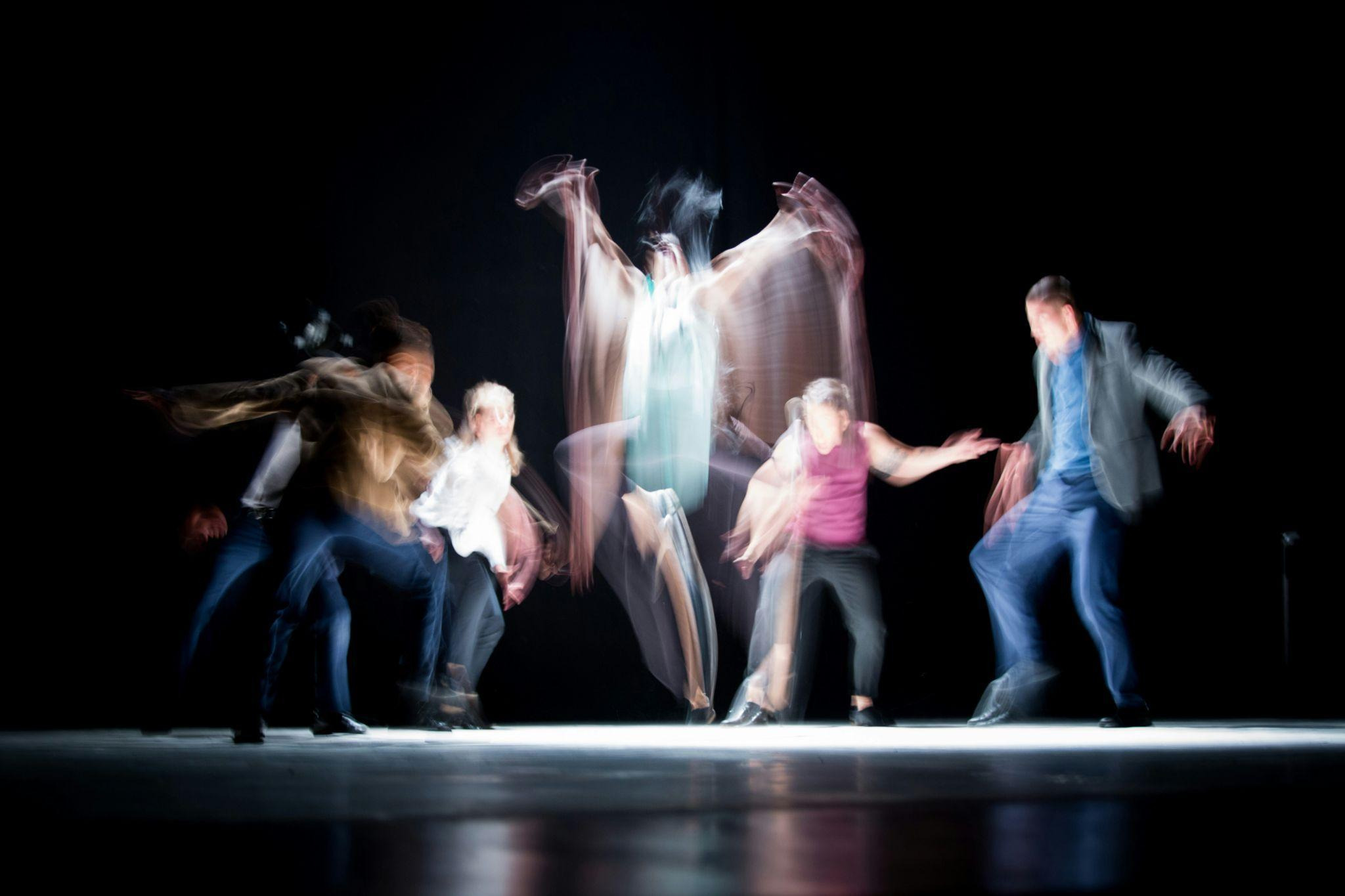

Photo by Ahmad Odeh on Unsplash
In creative and performance communities, style and presentation are not secondary elements, they are fundamental to how ideas are communicated, interpreted, and remembered. Whether in fashion, visual arts, theater, or digital media, the way something is presented often shapes how it is perceived just as much as the content itself. Audiences rarely separate the message from the medium; instead, they experience both simultaneously, forming impressions based on visual cues, atmosphere, and aesthetic choices.
Creative environments thrive on expression, and presentation becomes a shared language within these communities. From stage design to personal styling, these elements signal identity, intention, and cultural context. Research shows that style plays a measurable role in how ideas are received and remembered, influencing engagement and impact beyond the core content. As a result, presentation is not just about appearance, it is a strategic tool that shapes connection, meaning, and influence.
Style as a Form of Communication
Style functions as a visual and emotional shorthand within creative communities. It communicates tone, mood, and intent before any words are spoken or performances begin. In performance settings, this can include costume design, lighting choices, and spatial arrangement, all of which contribute to how the audience interprets the experience.
The concept of style extends beyond aesthetics into identity. Writing and artistic expression, for example, rely on stylistic choices to convey meaning effectively, influencing how audiences engage with the material. In this sense, style becomes a defining feature of both individuals and communities, shaping how work is recognized and understood.
This layer of communication is particularly important in collaborative environments. Shared stylistic cues help align teams and ensure that creative outputs feel cohesive, even when multiple contributors are involved.
Presentation Shapes Audience Perception
First impressions in creative settings are almost always visual. Before audiences engage with the substance of a performance or project, they respond to how it is presented. This includes everything from stage layout and lighting to personal styling and branding.
Studies suggest that style can significantly influence how ideas are received, even in contexts where content is expected to dominate. This highlights the importance of presentation as more than a surface-level concern, it actively shapes perception and engagement.
In performance communities, this effect is amplified. Audiences often form emotional responses based on atmosphere and visual storytelling, which can enhance or diminish the impact of the work itself. Strong presentation creates a sense of immersion, allowing audiences to connect more deeply with the experience.
The Influence of Materials and Design Choices
The materials and tools used in creative work play a significant role in shaping both style and presentation. In many communities, especially those that intersect with design and fabrication, material choice directly affects the final aesthetic and functionality of a project.
For example, materials associated with PLA Pro are often used in creative production environments where precision and finish quality matter. In contexts such as prototyping, set design, or artistic fabrication, the choice of material influences not only durability but also visual clarity and detail.
These decisions are rarely arbitrary. Creative professionals select materials based on how they contribute to the overall presentation, ensuring that every element supports the intended outcome. This attention to detail reinforces the idea that presentation is built from both conceptual and physical components.
Personal Style and Identity in Creative Communities
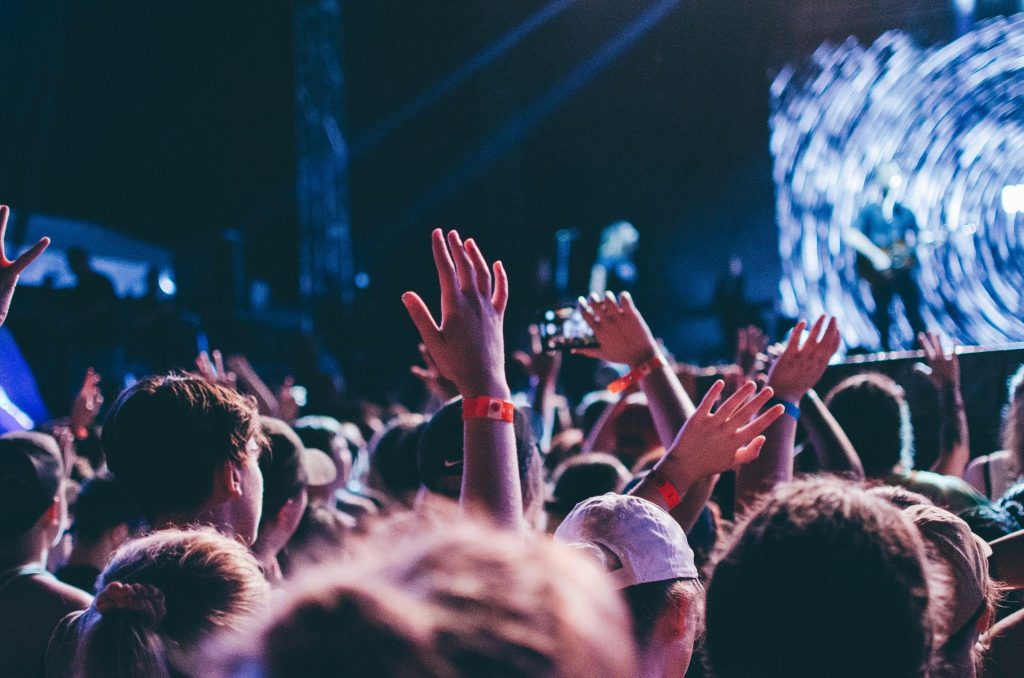
In many creative and performance spaces, personal style becomes an extension of artistic identity. What individuals wear, how they present themselves, and the visual signals they project all contribute to how they are perceived within the community.
Accessories and design elements, such as dita sunglasses, illustrate how refined details can elevate personal presentation. In performance and creative circles, these elements are not simply decorative, they help communicate confidence, aesthetic direction, and alignment with broader cultural trends.
Personal presentation also plays a role in networking and collaboration. Individuals who clearly express their style often stand out, making it easier to form connections and establish a recognizable presence within the community.
Collaboration and Shared Aesthetic Direction
Creative communities are built on collaboration, and style often acts as the glue that holds collaborative efforts together. When multiple individuals contribute to a project, a shared aesthetic direction ensures that the final result feels cohesive rather than fragmented.
Research highlights that creative communities thrive on shared ideas, collaboration, and the blending of perspectives, which often leads to innovative outcomes. Style becomes a framework through which these contributions are unified, guiding decisions and maintaining consistency.
This shared approach does not limit creativity, it enhances it. By establishing a common visual or stylistic language, teams can experiment within a defined structure, producing work that feels both original and aligned.
The Role of Environment in Presentation
The environment in which creative work is presented plays a crucial role in shaping audience experience. Performance spaces, galleries, and digital platforms all influence how work is perceived, often acting as extensions of the creative process itself.
Creative communities increasingly recognize the importance of space as both a functional and expressive element. Environments that are thoughtfully designed can enhance engagement, encourage interaction, and support the overall narrative of a project.
Lighting, layout, and spatial design all contribute to this effect. When these elements are aligned with the creative vision, they amplify the impact of the work and create a more immersive experience for the audience.
Style as a Driver of Innovation and Cultural Influence
Style and presentation are not static, they evolve alongside cultural trends and technological advancements. Creative communities play a key role in shaping these changes, using style as a means of experimentation and expression.
Communities that encourage collaboration and idea-sharing often become hubs of innovation, where new styles and approaches emerge. These environments allow individuals to push boundaries, challenge conventions, and develop new forms of expression that influence broader cultural trends.
As these ideas spread, they shape not only creative industries but also public perception and cultural identity. Style becomes a vehicle for innovation, driving change and redefining how creativity is experienced and understood.
Balancing Substance and Presentation
While style and presentation are powerful tools, they are most effective when balanced with strong content. In creative and performance communities, the most impactful work is often the result of alignment between what is being communicated and how it is presented.
Presentation enhances content by making it more accessible, engaging, and memorable. However, without substance, style alone cannot sustain long-term impact. The relationship between the two is what defines successful creative work.
Ultimately, style and presentation are integral to how creative communities function. They shape identity, influence perception, and support collaboration, making them essential components of both individual expression and collective creativity.