


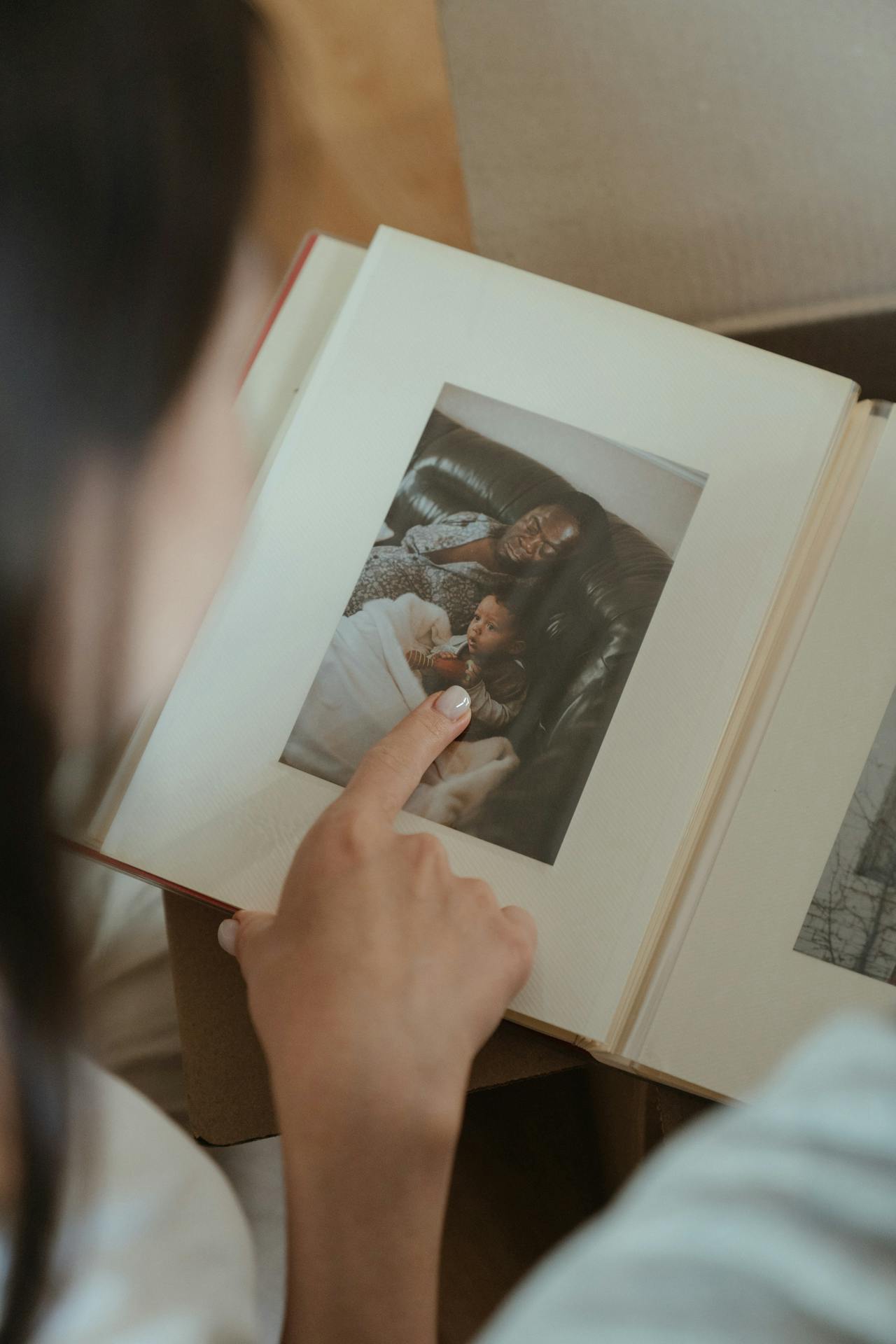
The art of storytelling has always been a great tool. It is used as a medium to convey or express feelings toward a story. In this modern era of vision dominance, photo book have emerged uniquely. It allows us to connect with others, pass down wisdom, and preserve memories. In this modern era, where visual content dominates our daily lives, storytelling has taken on new dimensions. Among the various ways it manifests today, photo books have emerged as a unique and compelling medium.
The Power of Storytelling Through Art:
Storytelling is an antique human activity that is deeply entrenched in all cultures of the world. It’s a different way to express your feelings and experiences to connect with someone. From the multiple ways of using artistic narration. Whether it’s documenting a family vacation, celebrating a milestone, or preserving the beauty of everyday life, photo books provide a tangible and artistic way to relive and share experiences.
Why use photobooks in your art?
A photo book is a perfect medium for you to curate and coherently exhibit your art, adding depth and context to your creations. By transforming small pieces into a medium of storytelling by providing a tangible and time-transcending means of showcasing your vision. The viewer can take their time flipping through the pages, pausing to appreciate the details and interpret the story at their own pace. This physical and intimate experience adds a layer of authenticity and connection that digital mediums often lack.
Conceptualise Arts through Photobooks:
Photobooks are a powerful medium for artists to showcase their work and tell a compelling story through visual art.
- Theme: The theme is the foundation of your photobook, providing direction and meaning. It could be based on a self-journey, an abstract concept.
- Structure: Properly organising your photo book enhances the narrative flow. Starting in the introduction flows to the set stage, followed by the middle section that develops the story.
- Elements: Key elements include the quality of the photography that reflects the theme; text, such as captions or quotes to add context; and design layout.
- Enhancing Visual Impact: Enhancing visual impact involves using dynamic composition, striking contrasts, and thoughtful colour palettes to captivate viewers. To create variety and depth, incorporate a mix of perspectives, from wide-angle shots to close-ups.
Tips for Creating Narrative Photo Books:
Creating a narrative photo book requires thoughtful planning and creativity. Start by choosing a clear theme or a concept that ties your image together, providing context and meaning to the subject. This theme serves as the backbone of your photo book, guiding the selection and arrangement of images to ensure a cohesive and compelling story.
Conclusion:
In conclusion, creating a narrative photo book is a powerful way to tell a story through the lens of art and photography. You can craft a compelling visual journey that resonates with your audience by selecting a clear theme, carefully curating your images, and thoughtfully designing the layout. By selecting a clear and meaningful theme, carefully curating your images to align with your narrative, and thoughtfully designing the layout, you can craft a photo book that becomes a true work of art.
The process of creating a narrative photo book goes beyond simply compiling photographs; it involves careful planning, creativity, and attention to detail. From the choice of cover design to the sequence of images on each page, every decision contributes to the impact and coherence of your story. Adding captions or brief narratives can further enhance the emotional connection, providing context or highlighting the significance of key moments captured in the photos.