


Choosing between stone veneer and brick is one of the most important decisions you’ll make for your home’s exterior. Both materials are attractive and widely used, but they deliver very different results in terms of style, cost, performance, and long-term value. Understanding how each behaves in real projects makes it much easier to decide which option fits your home and budget.
Appearance and Curb Appeal
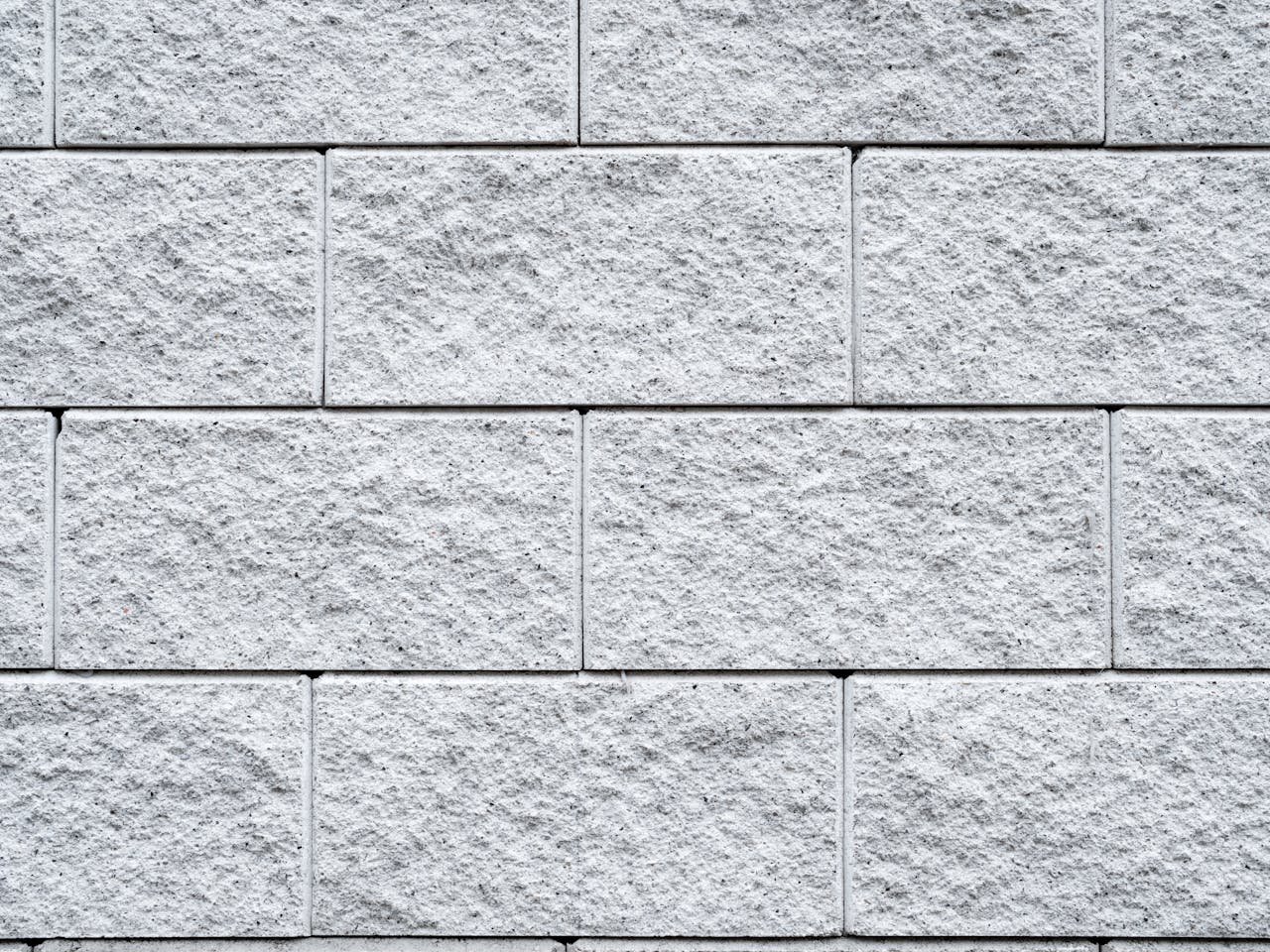
From a design standpoint, stone veneer is all about texture and variety. It’s manufactured or cut thin to imitate natural stone, so you can get anything from rugged, irregular fieldstone to clean, linear ledgestone in a wide palette of colors. It works well on full façades but is especially popular for accent areas like entryways, chimneys, and garage fronts. If you want your exterior to feel custom and visually rich, stone veneer offers plenty of freedom. That freedom also extends to how you combine shapes and colors, letting you echo the tones of your roof, trim, or surrounding landscape. Designers often mix wider pieces with narrower strips to create movement on the wall without overwhelming windows or doors. When you look at the best stone veneer supplies across Canada and similar ranges in the U.S. or Europe, you can compare profiles by color and style and choose a finish that fits both the architecture and its setting. This kind of careful selection helps the exterior feel intentional rather than busy, even when you introduce bold textures and contrasting tones.
Brick leans toward a more classic, timeless look. It has been used on homes for generations and instantly signals stability and tradition. While you don’t get the same extreme range of patterns as stone veneer, there are many brick sizes, textures, and colors—soft creams, reds, browns, grays—and mortar choices that change the final effect. Brick tends to work beautifully on colonial, farmhouse, and traditional designs, and can still look modern when paired with simple lines and dark windows.
Cost and Installation
Cost is often the deciding factor in the stone veneer vs brick debate. Stone veneer is thinner and lighter than full-thickness brick, which usually means less structural support and easier handling. In many cases, it can be installed over properly prepared framing, masonry, or concrete, which makes it very attractive for exterior renovations or partial upgrades. Labor is still skilled work, but overall project costs can be lower than full brick in many markets, especially when you are only cladding parts of the home.
Brick is heavier and more labor-intensive. It generally requires a suitable foundation or support system, careful layout, and experienced masons to lay and joint each brick. That extra time and effort show up in both material and labor costs. However, brick is also a one-time investment that, when installed properly, can last for decades with minimal issues. If you are building a new home and planning to stay long term, the higher upfront cost may be easier to justify.
Durability and Maintenance
Both stone veneer and brick are chosen for their ability to stand up to the elements, but they do it in slightly different ways.
Stone veneer is manufactured to be tough, but its performance depends strongly on the quality of the installation. Proper moisture barriers, flashing, and drainage behind the veneer are essential. When these details are handled correctly, stone veneer can cope with rain, wind, and temperature shifts and retain its appearance for many years. Maintenance usually comes down to occasional cleaning and checking for cracked mortar or loose pieces.
Brick has a long, proven track record. Many brick homes still look solid after 50–100 years. Brick itself is highly resistant to fire, UV exposure, and pests. Over time, the main maintenance task is tuckpointing—repairing mortar joints as they weather. Because brick has been used for so long in so many climates, its durability is well understood and trusted.
Energy Performance and Comfort
Energy performance is less about the material alone and more about the entire wall system, but there are some differences worth noting. Stone veneer does not add much insulation by itself; the insulation layer and air barrier behind it do most of the work. It mainly contributes to weather protection and appearance.
Brick offers thermal mass, which means it absorbs heat during the day and releases it slowly over time. When combined with proper insulation and air sealing, this can help keep indoor temperatures more stable, particularly in climates with warm days and cooler nights. In both cases, the wall assembly behind the cladding is what ultimately determines energy efficiency.
Resale Value and Overall Verdict
For resale, stone veneer often makes listings look more upscale, especially when used thoughtfully on key architectural features. Buyers notice the added texture and detail, and it can set a home apart from nearby properties with plain siding.
Brick, however, benefits from reputation. Many buyers see brick exteriors as solid, long-lasting, and low-maintenance. In neighborhoods where brick is common, choosing brick can make your home feel consistent with the area and support strong resale value.
So which is better for home exteriors? If you want bold texture, design flexibility, lighter weight, and a potentially lower upfront cost—especially for remodels and accent projects—stone veneer is often the best fit. If you prefer classic curb appeal, a proven lifespan, fire resistance, and strong buyer confidence, brick remains a standout choice. In many cases, combining the two—brick as the main cladding and stone veneer as an accent—delivers the best of both worlds for a beautiful, durable exterior.