


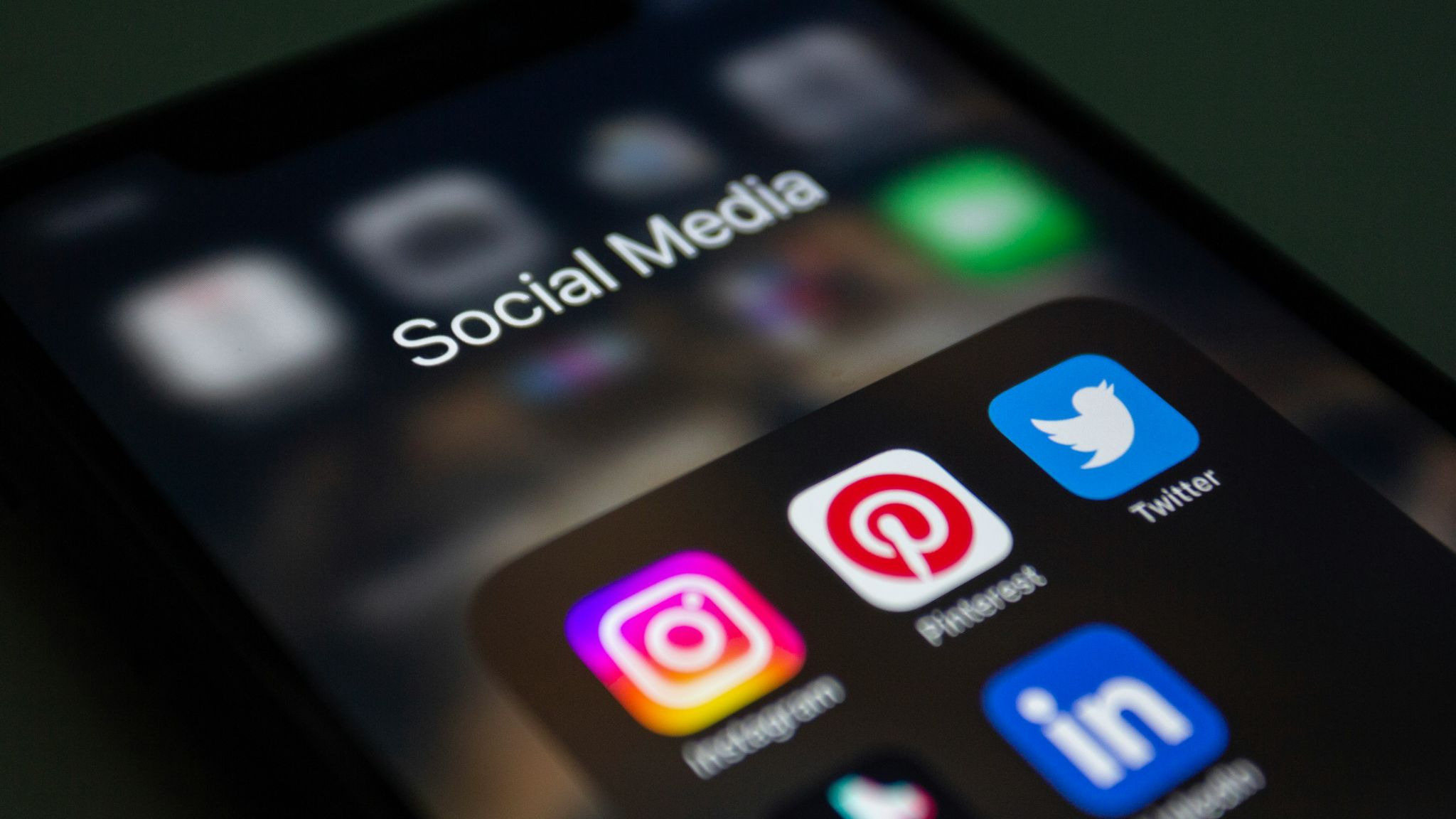
The Digital Stage: How Social Media Is Changing the Way Artists Connect With Audiences
For artists, the stage has never been limited to a theatre, gallery, or concert hall. Today, a performance can reach thousands or people through a phone screen, while a painting, song, or creative project can find its audience long before it appears in a physical space. Social media has become an important part of the modern creative landscape, changing how artists share their work and build lasting connections.
A Wider Audience for Local Talent
Independent performers and emerging artists no longer need a large publicity budget to introduce themselves to the world. A short rehearsal clip, a behind-the-scenes photograph, or a preview of an upcoming production can reach audiences beyond the neighborhood.
For small theatre companies, this visibility can make a meaningful difference. A well-timed post may encourage someone to attend a local performance, visit an art exhibition, or discover a musician they would otherwise have missed.
Social platforms also allow artists to share the process behind their work. Audiences can see the preparation, the mistakes, and the moments of inspiration that happen before the final presentation. That glimpse into the creative journey often makes the experience feel more personal.
Building Connections Beyond the Screen
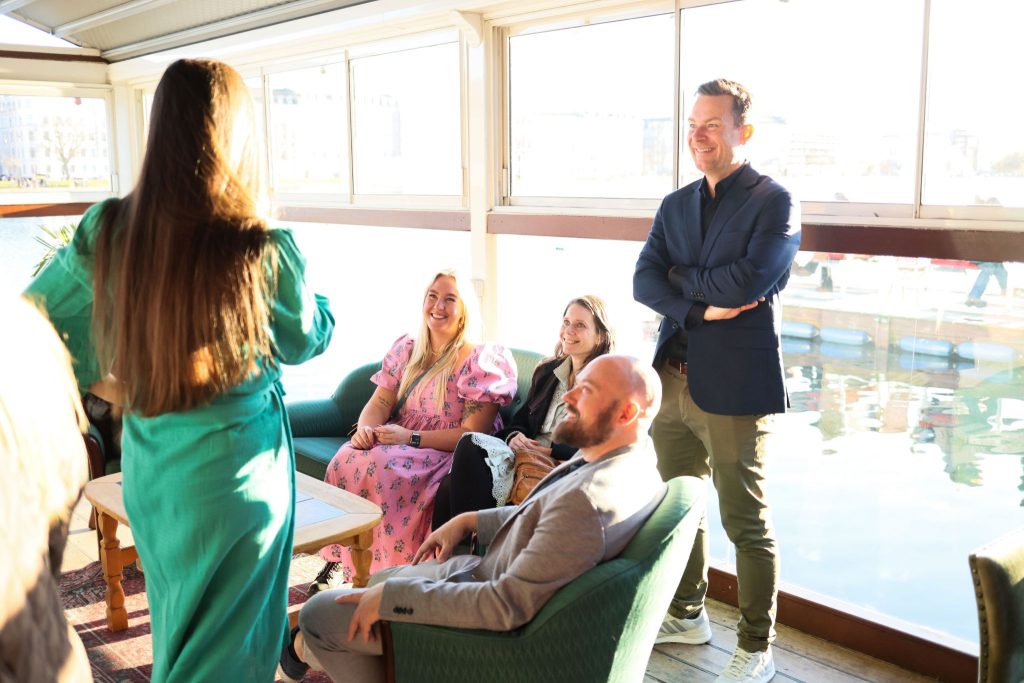
Social media is not merely a promotional tool. It can become a place for conversation and community.
Artists can respond to audience comments, collaborate with fellow creatives, and learn what resonates with people. A theatre enthusiast might discover a new playwright, while a dancer could connect with a choreographer from another city. These relationships can lead to opportunities that begin online but eventually take shape in real life.
Yet, regardless of how beneficial and valuable social media is to the digital world, it also brings challenges. Constant posting can feel exhausting, and the pressure to chase likes or followers may distract artists from the work itself. Questions about privacy, content ownership, and platform responsibility have also become increasingly important.
Discussions about critical issues such as an instagram lawsuit reflect wider concerns about how social media companies affect users and their experiences online. For artists, these conversations are a reminder to approach digital platforms carefully, protect their creative work, and maintain healthy boundaries.
Keeping Creativity at the Center
Despite its challenges, social media can be a valuable companion to artistic expression. It works best when artists use it with purpose rather than following algorithms to dictate every creative decision.
A strategic and mindful online presence does not require constant updates or perfectly polished content. Sometimes, a simple photograph of a finished painting or a genuine invitation to an upcoming show is enough to spark interest.
The most effective digital strategies often reflect the personality of the artist. Authenticity, consistency, and meaningful interaction matter far more than trying to imitate every passing trend.
Endnote
The digital stage has broadened the possibilities for artists, making creative work easier to discover and communities easier to connect. Yet the heart of art remains unchanged: the desire to express something meaningful and share it with others. Social media may have opened the door for artists, but it is the art itself that gives audiences a reason to stay.