


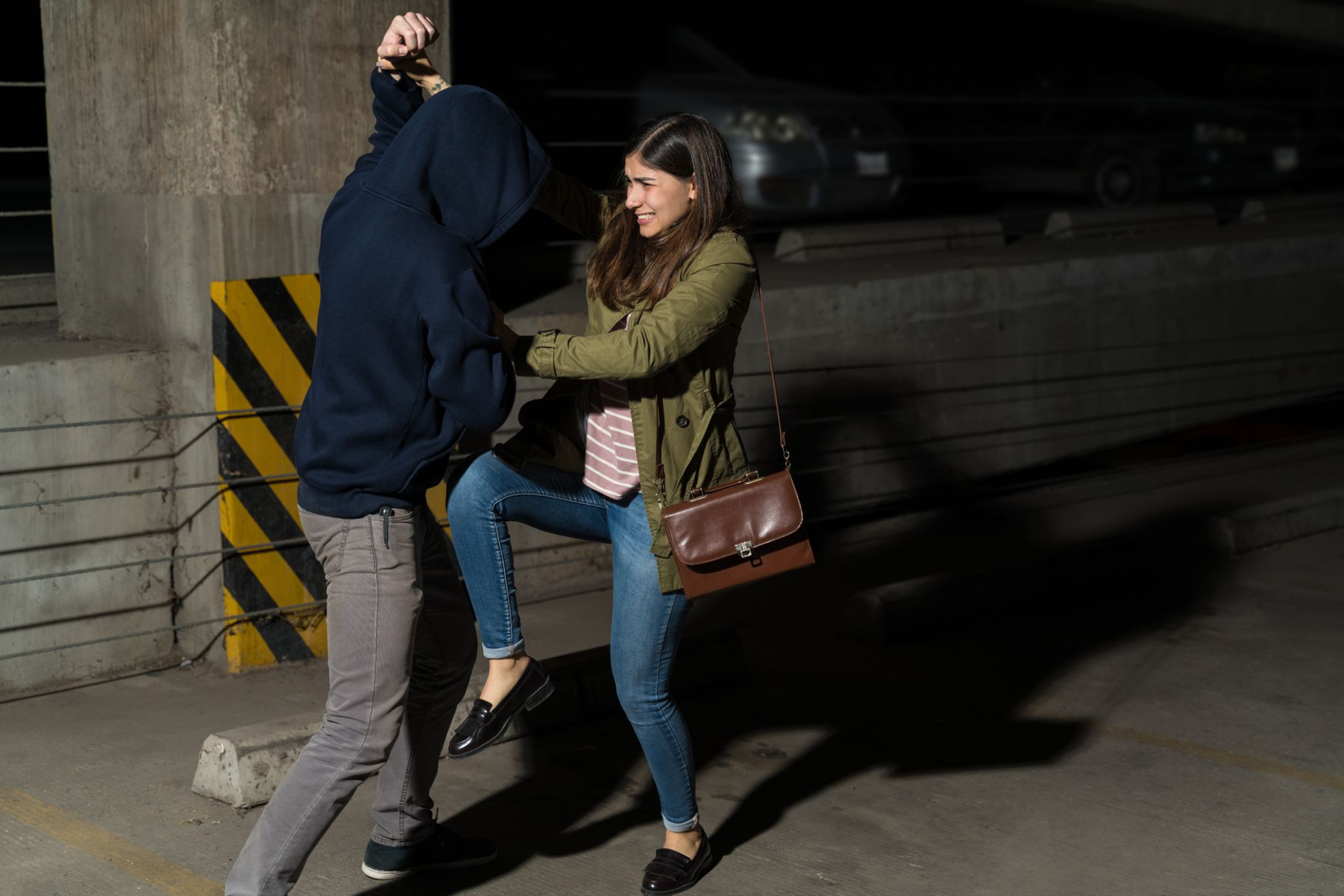
Self defence is a complete defence to an assault or homicide charge in Canada when three things are true: you believed on reasonable grounds that force was being used or threatened against you or someone else, you acted to defend or protect yourself or that person, and what you did was reasonable in the circumstances. All three come from section 34 of the Criminal Code. If the defence has an air of reality, the Crown has to disprove it beyond a reasonable doubt. If it cannot, you are acquitted.
The idea is simple. The application is not. Here is how the courts actually work through it.
What does section 34 require?
The current version of section 34 of the Criminal Code came into force in 2013 and replaced a tangle of older provisions with one test. A person is not guilty of an offence if:
- they believe on reasonable grounds that force is being used against them or another person, or that a threat of force is being made;
- the act they are charged with was committed for the purpose of defending or protecting themselves or the other person from that force or threat; and
- the act was reasonable in the circumstances.
The first element is partly subjective and partly objective. You must actually have believed force was coming, and a reasonable person in your position must have been able to believe it too. A mistaken belief can still qualify if it was a reasonable mistake. The second element is about purpose. Striking back out of anger after the threat has passed is retaliation, not defence. The third element is where most cases are won or lost.
What makes a response reasonable?
Section 34(2) gives the court a list of factors to weigh. None of them is decisive on its own. They include:
- the nature of the force or threat;
- how imminent the force was, and whether other means were available to respond;
- your role in the incident, including whether you started it;
- whether anyone used or threatened to use a weapon;
- the size, age, gender and physical capabilities of the people involved;
- the history between you, including any prior use or threat of force;
- the nature and proportionality of your response to the force or threat; and
- whether the force you responded to was itself lawful.
Proportionality is the heart of it. The law does not expect perfect calibration from someone under attack, and courts have said repeatedly that a person defending themselves cannot be expected to weigh to a nicety the exact measure of force required. But the response must bear a reasonable relationship to the threat. Pushing someone who shoved you is one thing. Continuing to strike someone who is down and no longer a threat is another.
Does training count against you?
It can cut both ways. Physical capabilities are expressly on the list in section 34(2), so a court will consider that a trained fighter has options an untrained person does not. Someone with years of striking or grappling experience may be expected to control a situation with less force, and a single strike from a trained person can be treated as more serious than the same strike from someone who has never thrown a punch.
At the same time, training is exactly what lets a person respond proportionately: to restrain rather than strike, to disengage safely, to recognize when a threat has ended. Evidence of how you used your training, and why, matters more than the fact that you have it.
What about a fight both people agreed to?
Consent is not self defence, and in Canada it has limits of its own. The Supreme Court held in R. v. Jobidon that a person cannot consent to a fist fight where serious bodily harm is both intended and caused. Two people who agree to settle something in a parking lot can both end up charged with assault, and the fact that the other person agreed is not a defence to causing real injury. Sanctioned sport is treated differently because the risks are accepted within rules and supervision.
Do you have to retreat first?
There is no formal duty to retreat in Canadian law, and the Code does not say you must run before you may act. But whether other means were available to respond is one of the listed factors, so the possibility of walking away is always part of the picture. In your own home, courts have given significant weight to the fact that there is nowhere further to retreat to.
What happens if you are charged after defending yourself?
Police often lay charges first and let the court sort out self defence later, especially where the other person is injured. Being charged does not mean the defence has been rejected. It means the Crown will have to answer it. The evidence that matters, including video, witness statements, the other person’s history and your own injuries, has to be gathered early, before it disappears. Liberty Law handles assault and self defence cases across Alberta and can review the facts of what happened before you give any statement to police.
Liberty Law LLP is a criminal defence firm with offices in Edmonton, Grande Prairie and Fort McMurray, Alberta. Whether self defence applies always depends on the specific facts.
Frequently asked questions
Can I use self defence to protect someone else?
Yes. Section 34 covers force used or threatened against you or another person, and the act can be to defend or protect yourself or the other person. Stepping in to stop an assault on a stranger is covered on the same terms as defending yourself, with the same requirement that your response be reasonable.
Does self defence apply if I was mistaken about the threat?
It can. The test is whether you believed on reasonable grounds that force was being used or threatened. If a reasonable person in your situation would have shared your belief, a mistake does not defeat the defence. A belief that no reasonable person could have held does.
Who has to prove self defence?
You do not have to prove it. Once there is some evidence on which a jury could find the defence applies, the burden shifts to the Crown to prove beyond a reasonable doubt that it does not. If the Crown cannot do that, the result is an acquittal.
If you have been charged after an incident where you believe you were defending yourself or someone else, say as little as possible to police until you have spoken with a lawyer, and preserve every piece of evidence you can.