




Before you buy premium sunglasses online, focus on four main points: true 100% UV400 protection, high lens clarity (often shown by a high ABBE value), exact frame measurements for a good fit, and a trustworthy, authentic retailer.
Style matters, but a real premium pair is also a long-term investment in your eye health, protecting you from permanent damage and giving you all-day comfort. This guide explains the key technical details, material options, and smart buying tips so your next online purchase works out well.
Buying high-end eyewear from home is a big advantage, giving you access to global brands and small designers that local stores may not stock. Whether you are chasing classic aviator sunglasses to complete a timeless look or performance gear for a mountain trip, online stores offer huge variety.
But because you can’t try them on in person, you need to become a smart shopper, looking past the pretty photos to understand how the frames are built and the story behind the brand.
Sunglasses are more than a style accessory; they are basic protection in every season. Too much exposure to UV-A and UV-B rays can damage the surface of the eye, the cornea, and the lens. This damage builds up over time and can lead to cataracts, macular degeneration, and photokeratitis.
Premium eyewear uses better materials and technology to reduce these risks while still looking good. Learning what happens “behind the lens” is the first step toward a purchase you will feel good about for years.
What Makes Sunglasses Premium?
Materials and Build Quality
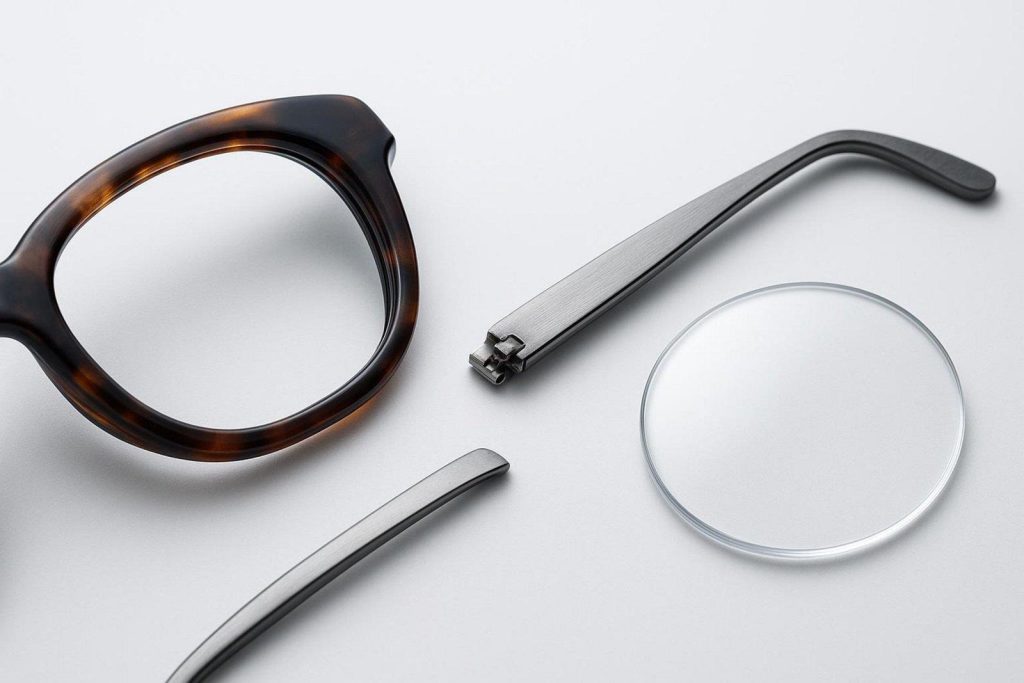
The main difference between “budget” and “premium” starts with the materials. Premium frames are often made from high-grade cellulose acetate, titanium, or stainless steel. Acetate, sometimes called “handmade” plastic, is popular because it offers rich color and flexibility, so it can adjust slightly to your face over time.
Unlike cheap injection-molded plastics, acetate is less likely to crack and usually includes a wire core inside the temples so an optician can adjust them.
Premium metal frames use light but very strong alloys. Titanium is a classic luxury choice because it is hypoallergenic and extremely durable. For lenses, premium brands usually offer mineral glass or advanced plastics like polyurethane or polycarbonate. Mineral glass gives the highest optical clarity and strong scratch resistance, but it is heavier and can crack into “spider” patterns on impact.
Modern lenses like VALLON’s V52® or high-grade polycarbonate aim to balance low weight, clear vision, and high impact resistance, which matters a lot if you lead an active life.
Brand Heritage and Reputation
Paying for a premium brand often means paying for years of research and a strong track record. Brands that have been around a long time usually build trust by making products that are durable, classic in design, and well-liked. This history often leads to better quality control and real attention to detail that fast-fashion labels rarely match.
Certain areas, such as Italy and Japan, are often seen as leaders in eyewear production, with factories that specialize in fine titanium work or hand-finished acetate.
A brand’s reputation also comes from its values and how it treats customers. Many premium makers give extended or even lifetime warranties as a clear sign of confidence in their products. They know buyers want more than a trendy item; they want something reliable for everyday use.
This trust between brand and customer is based on the product doing what it promises, whether you’re driving a bright coastal road or walking into a meeting.
Key Features to Check Before Purchasing Premium Sunglasses Online
UV Protection Ratings
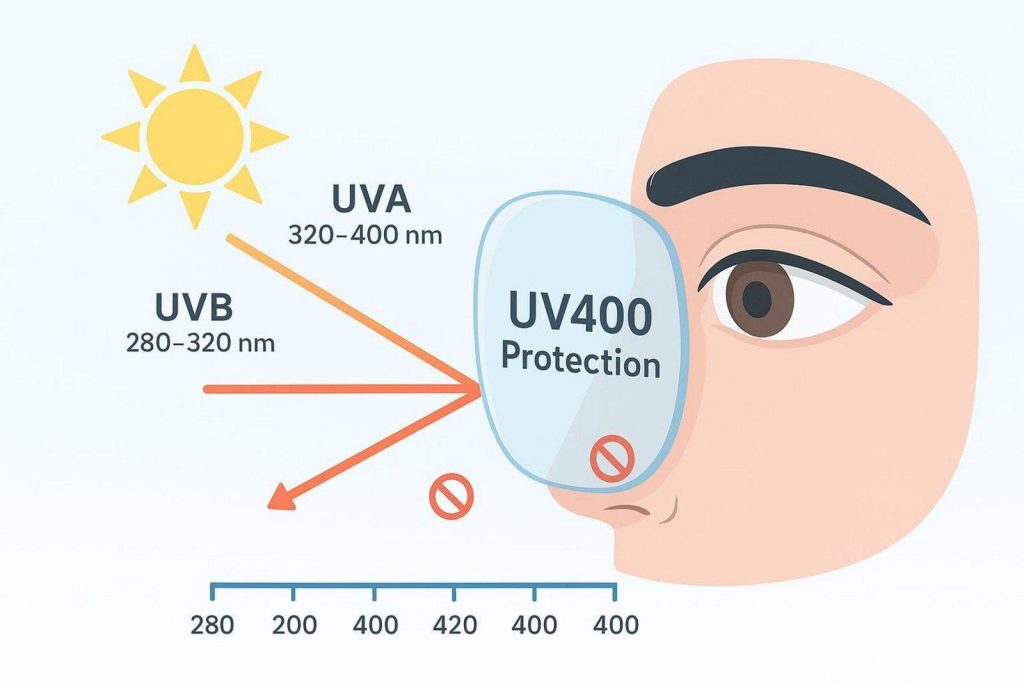
The most important part of any sunglass purchase is UV protection. A premium pair must offer 100% UV400 protection, which blocks all light up to 400 nanometers, including both UVA and UVB rays. Many people think darker lenses always protect better, but UV blocking comes from special chemicals in the lens material or coatings, not from how dark the lens looks.
Dark lenses without proper UV protection can be worse than no sunglasses at all, because the darker tint makes your pupils open wider, letting in more harmful UV rays. Always check for a clear “UV400” or “100% UV Protection” note in the product description. If you are unsure about an older pair or a recent purchase, many optical shops can test the UV protection with a special meter.
Lens Quality and Clarity
Lens clarity is what separates a smooth, relaxing view from a tiring, distorted one. A useful technical measure is the ABBE value; a higher ABBE value means less color fringing and sharper vision. Some performance sports lenses, for example, list an ABBE value of 52, which is very high for non-glass lenses. Cheap lenses often have small flaws that can lead to eye strain, headaches, and warped vision over time.
You can do a quick test when your online order arrives from a reputable source like https://www.serengeti-eyewear.com/us/. Hold the sunglasses at arm’s length and look through them at a straight edge, like a door frame or tiled floor line. Move the glasses slowly side to side. If the straight line bends, ripples, or shifts, the lenses are not high quality. Premium lenses should keep lines straight across the entire lens, which helps maintain correct depth perception for driving, hiking, or sports.
Polarization and Glare Reduction
Polarized lenses block horizontal light waves, which cause bright glare from flat surfaces like water, snow, or wet roads. This helps drivers, boaters, and golfers see past reflections to spot obstacles or follow a ball. Polarization increases comfort and contrast, but it is separate from UV protection-though most premium polarized lenses also include UV400 protection.
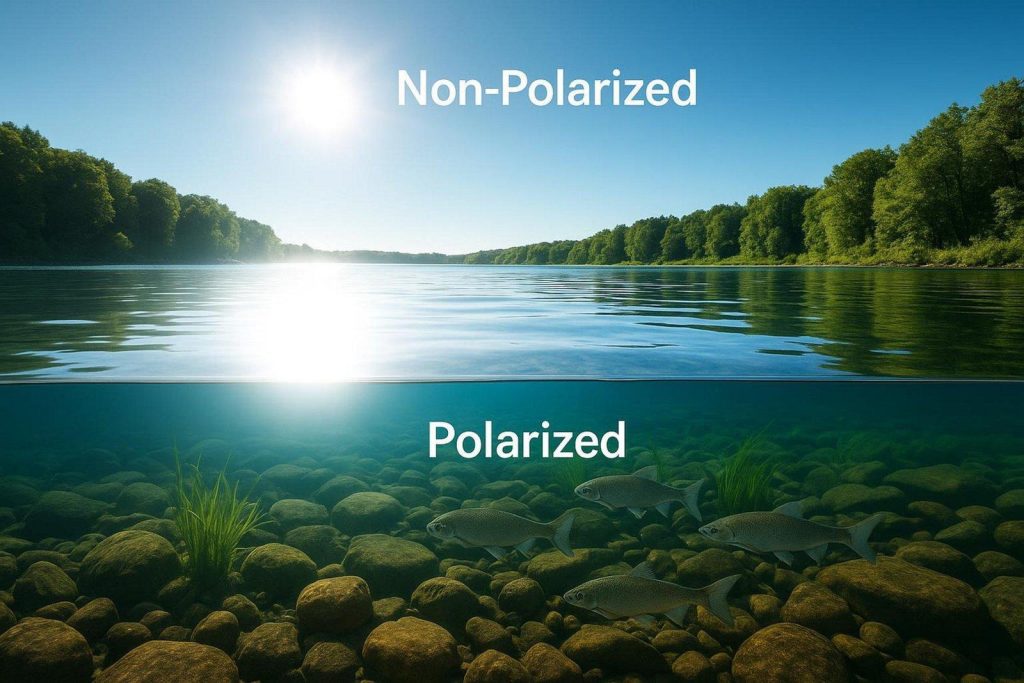
Polarization is not always the best choice. On snow or ice, some people prefer non-polarized lenses for slightly better depth perception so they can see icy patches more clearly. Polarized lenses can also make some LCD screens harder to read, like car dashboards or GPS units. If that bothers you, a high-quality mirror coating can cut glare while avoiding problems with digital screens.
Impact and Scratch Resistance
Long-lasting durability is a key part of a premium experience. In the U.S., all sunglasses must meet FDA impact safety rules, but premium brands often go well beyond those. Polycarbonate and polyurethane lenses are leading choices for impact resistance, which is great for sports where you might face flying debris or rough contact. These materials are very tough but softer than glass, so they need strong scratch-resistant coatings to stay clear over time.
Better coatings are usually applied in several layers so they do not flake off or wear away quickly. When you shop online, look for terms like “hard coat” or “scratch-resistant coating” in the specs. A strong, clear lens not only protects your eyes from physical harm but also keeps your sunglasses useful and easy to see through for many seasons.
Lens Color, Gradient, and Mirror Coatings
Lens color shapes how you see the world and how others see you. Gray and green lenses are good all-round options; they reduce brightness while keeping colors more natural. Brown, amber, and rose tints boost contrast and depth, making them popular with golfers, cyclists, and baseball players. For darker or overcast conditions, yellow or purple tints can make things look brighter and help you see shapes and edges more clearly.
Gradient lenses are darker at the top and lighter at the bottom. They work well for driving because they block sunlight from above but still let you read the dashboard easily. Mirror coatings are useful in very bright places like beaches, lakes, or snowy mountains. They use a thin metallic layer to reflect a large part of incoming light, helping protect both your eyes and the thin skin around them from strong glare.
Special Features and Customization in Premium Sunglasses
Prescription and Custom Lens Options
A major benefit of premium eyewear is the ability to match the lenses to your exact vision needs. Many quality online retailers now offer prescription lenses in their fashion and sports frames, so you can enjoy both sharp vision and strong sun protection without using clip-ons or fit-over frames. When ordering prescription sunglasses online, have your current prescription and your pupillary distance (PD) ready so the center of each lens lines up correctly with your eyes.
Anti-Reflective and Hydrophobic Coatings
Advanced lens coatings can greatly improve comfort. Anti-reflective (AR) coating on the back of the lens stops light from bouncing off the inside surface into your eyes, reducing annoying reflections and eye strain in bright light. Hydrophobic and oleophobic coatings are also common in premium lenses; they repel water, sweat, and oils from your skin. This makes the lenses easier to clean and helps keep your view clear in the rain, at the beach, or during a workout.
How to Evaluate Fit, Comfort, and Style Online
Finding the Right Frame Size and Measurements
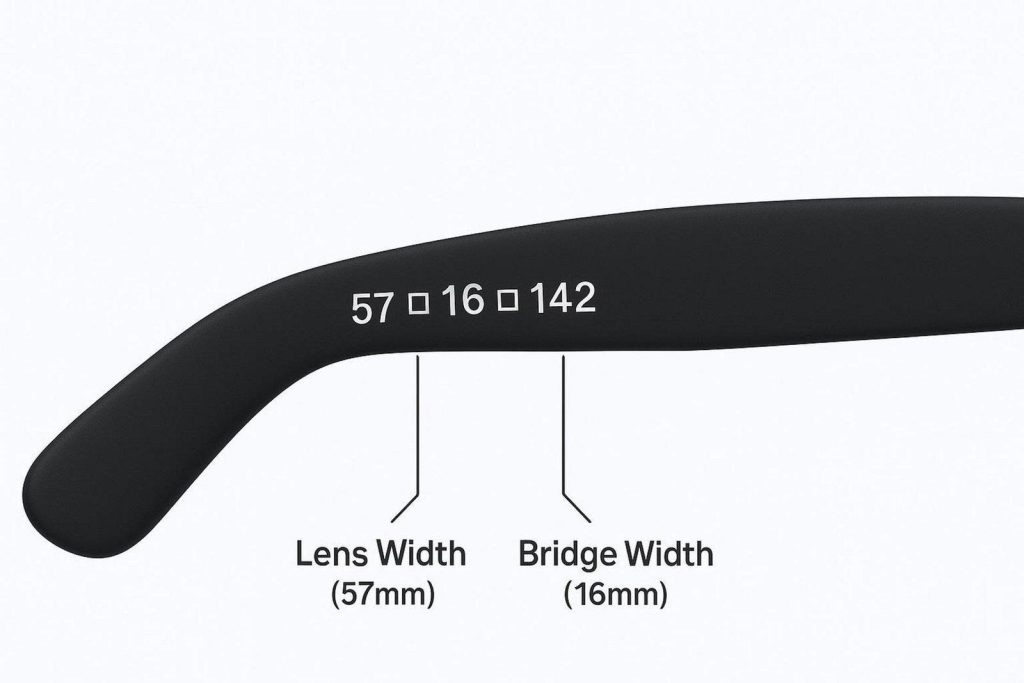
Sunglasses come in many sizes, and a poor fit can cause headaches or make the frames slide down constantly. To find your size, check the inside of the temple arm on a pair of glasses you already own. You will usually see three numbers, such as “57 □ 16 □ 142.” These are the lens width, bridge width, and temple length in millimeters. Compare these to the numbers in the online product description for the best chance of a comfortable fit.
Lens width affects how large the frames will look on your face, and temple length affects how the arms sit around your ears. The bridge width is especially important; it controls how the glasses sit on your nose. A bridge that is too narrow will pinch, while one that’s too wide will slide down or sit too low.
Selecting Styles That Match Your Face Shape
While your own taste matters most, some frame shapes naturally work better with certain face shapes. As a simple rule, choose frames that contrast with your face shape. Round faces often look good with angular or square frames to add structure. Square faces with strong jawlines are softened by round or oval frames. Oval faces tend to suit almost any style, from big retro frames to slim wraparound designs.
Heart-shaped faces-wider at the forehead and narrower at the chin-often match well with cat-eye or top-heavy frames that balance the lower part of the face. If you are unsure, many premium websites now offer virtual try-on tools using your camera or a photo. These help you see how the glasses might look, but they don’t show how they feel, so always check measurements as well.
Bridge Fit and Nose Pad Options
How a frame rests on your nose can make the difference between comfort and irritation. If you have a low nose bridge or high cheekbones, look for “Asian Fit” or “Low Bridge Fit” models. These often have larger or differently shaped nose pads and a slightly changed frame curve to stop the frames from touching your cheeks or sliding down. Metal frames usually come with adjustable nose pads, which give the most room for fine-tuning the fit, while acetate frames have a fixed bridge that must be correct from the start.
Risks of Buying Premium Sunglasses Online and How to Avoid Them
How to Spot Counterfeits or Fake Brands
The strong demand for luxury labels attracts fake products. To avoid counterfeits, check for clean, well-engraved logos on the temples or lenses, not cheap stickers. Real premium sunglasses feel solid in the hand and have smooth, firm hinges with no wobble. They should arrive with official packaging: a branded hard case, good-quality microfiber cloth, and usually a warranty card or authenticity booklet.
Unrealistic Discounts and Too-Good-to-Be-True Offers
If you see a current luxury model offered at “80% off” on an unknown website, treat it with strong suspicion. Genuine premium eyewear tends to hold its price. While real sales happen, very large discounts from unverified sellers are a warning sign. Fake sunglasses often skip UV protection completely, which can cause the pupil dilation problems already mentioned. Buy from authorized dealers and trusted retailers to get both safety and quality.
Practical Tips for a Safe and Satisfying Online Purchase
Return, Exchange, and Warranty Policies
Before you place your order, read the store’s return policy. Since you can’t try the frames in person, a clear and fair return option is your backup plan. Look for at least a 15-30 day return window with low or no restocking fees. Also check how long the warranty lasts and what it covers. A brand that offers a multi-year or lifetime warranty is showing confidence in its product’s durability and build quality.
Reliable Online Retailers and Authorized Dealers
Buying from established stores like Optica or outdoor specialists such as REI helps you avoid fakes because they source goods straight from the brands. These retailers often provide detailed specs, including VLT (Visible Light Transmission) percentages and fit notes like “fits small/medium/large faces.” This level of detail makes it easier to match what you see online with what will arrive at your door.
Reading Reviews and Verifying Authenticity
Customer reviews can reveal how sunglasses perform in real life. Look for comments about frame weight, lens clarity in bright or low light, and how well colors appear through the lenses. Pay attention if many users mention the same problem, such as hinges loosening quickly or a very snug fit. Reviews also often mention details not clear in glossy photos, like how reflective a mirror coating is or how the nose pads feel against the skin.
Final Considerations for Choosing Premium Sunglasses Online
Balancing Cost, Quality, and Style
In premium eyewear, price often reflects the materials, lens tech, and craftsmanship involved. You don’t always need the most expensive model to protect your eyes well, but it helps to think long term.
A $200 pair that lasts five years and gives sharp, safe vision is usually better value than five $40 pairs that scratch easily, break often, and offer poor clarity. Focus on what matters most for your life-maybe polarization for fishing, extra-strong impact resistance for mountain biking, or a light titanium frame for all-day city wear.
Care also affects how long your sunglasses last. Use a microfiber cloth and lens-safe cleaner instead of paper towels or household sprays, which can damage coatings and cause fine scratches. Store your sunglasses in a hard case when not in use to avoid bending the frame or chipping lenses. You can also look at the environmental side of your purchase. Some newer premium brands are cutting plastic from their packaging and donating to ocean cleanup or similar projects for every pair sold.
By choosing one well-made pair over many cheap ones, you help reduce waste and keep your eyes protected while keeping your style sharp for years.