


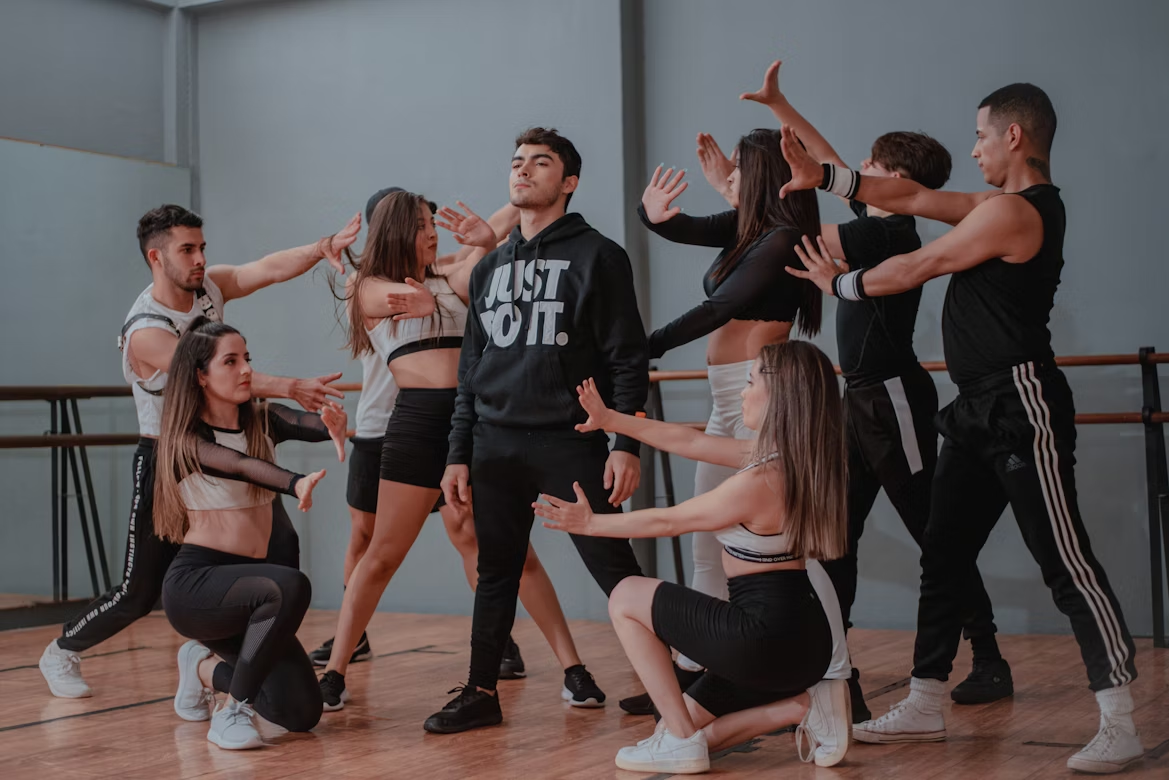
Rehearsal footage used to be treated like evidence. It proved that a run happened, helped track blocking, and gave performers something to review after the room was empty. Most of it stayed trapped in chat threads, camera rolls, or forgotten folders named after dates and draft versions. Yet something has changed in the way creative people look at these clips. Rehearsal video is beginning to develop its own artistic value. It is no longer simply a record of progress but also a record of the overall feeling, the working pace, the interpersonal relationships, and the visual style before the final lighting or costume fitting.
This evolution has been influenced by mobile habits as much as artistic vision. A director may shoot a scene, send it off to someone else, and watch it cleaned up with an online video editor before the day is done. A choreographer may be able to assess the space, edit the most effective moments into a tight cut for a “study” video, and send it to a dancer before the next call time. The speed is improved, but speed is only half the battle. What is most important is that artists are finally beginning to realize that rehearsal video is a language in its own right, with its own tone and texture and emotional life.
Rehearsal Video Is About Presence
Finished performance footage usually aims for control. Rehearsal footage is different because it records attention in real time. It catches a room while decisions are still moving. Someone stops too early. Someone finds a better entrance. A pause is longer than it should be, and suddenly the entire scene makes sense. These moments are rarely cinematic in the moment but can be the most telling moments in the video.
That is why rehearsal video can be so alive if it is used correctly. They are full of incomplete signals that still carry emotion. A hand gesture appears before the line delivery fully works. A transition clicks even though the scene around it still needs repair. A group falls into sync for ten seconds, and those ten seconds become the center of the day. The value of this material lies in presence. It shows how art behaves before it becomes settled.
For this reason, a light hand is helpful in a rehearsal editing context, as it often is in other situations. Typically, there’s a desire to make things clear, but there’s little need to make them look particularly good. Filmmaking blogs that focus on process and workflow often make this point in different ways. Vimeo’s article Teach yourself filmmaking: 3 lessons from self-taught pros is useful for understanding how practical visual instincts develop outside formal systems, and Frame.io’s Stuck in an Edit? Take a Walk and Other Solutions is especially relevant because rehearsal footage often depends on finding shape inside material that first appears messy.
The Best Rehearsal Clips Respect the Room
A common mistake with rehearsal filming is trying to force the studio to behave like a set. That usually weakens the footage. There’s a particular aesthetic to rehearsal rooms. Mirrors, bare walls, folding chairs, backpacks, water bottles, notebooks, cables, spike marks, and unfinished costume decisions are part of the visual vocabulary of a show. Trying to eradicate all of this can make a video look almost sterile.
When a rehearsal clip works, it usually respects the room instead of fighting it. That means using the available light thoughtfully, accepting some imperfection in the frame, and understanding what the environment already gives the image. A dance studio offers rhythm through bodies in open space. A theatre room creates depth through entrances and levels. A music rehearsal room often has visual clutter, but the clutter can signal intensity and working focus.
There is also a strong difference between filming for analysis and filming for emotional recall. Analysis footage wants the whole phrase, full body movement, or stage picture. Emotional recall often comes from details. A shoulder before a turn. A notebook on the floor next to marked-up pages. A performer pacing just outside the active scene. Strong rehearsal archives often combine both kinds of footage so the edit can later decide what the material needs.
A useful working method is to think about rehearsal capture in layers:
- one wide angle for structure
- one closer view for gesture and expression
- a few brief environmental shots that place the viewer inside the room
This does not require a crew. It requires timing, attention, and a sense of what the footage may become later.
Mobile Shooting Changed the Creative Rhythm
The rise of mobile video has influenced rehearsal culture more deeply than many people admit. A phone can sit quietly at the edge of the room or move close when a particular passage needs detail. It can capture repeated attempts without turning the rehearsal into a production shoot. That matters because creative rooms tend to tense up when the camera becomes too dominant.
Mobile filming also matches the pace of rehearsal itself. Decisions happen quickly. Notes are adjusted quickly. New versions appear quickly. A heavy technical setup can interrupt that rhythm. A phone can follow it. This is part of why mobile editing, browser editing, short form rehearsal editing, and related terms such as Clideo continue to appear in the language of artists who need solutions that don’t sacrifice detail.
The most effective mobile rehearsal editing tends to have a few things in common. The camera is steady enough to make the movement readable. Sound is close enough to preserve instructions or musical timing. The framing reflects intention instead of panic. And the footage is captured with editing in mind. A person filming with rhythm already knows where cuts might happen later.
That last point matters more than camera specs. A well-shot rehearsal clip anticipates its own structure. It leaves a second of lead-in before action starts. It holds for a moment after the key movement ends. It records the reset, the breath, the return to position. All of that becomes useful in the edit because rehearsal is rarely about one perfect isolated moment. It is about how one moment grows out of another.
Editing Process Without Flattening It
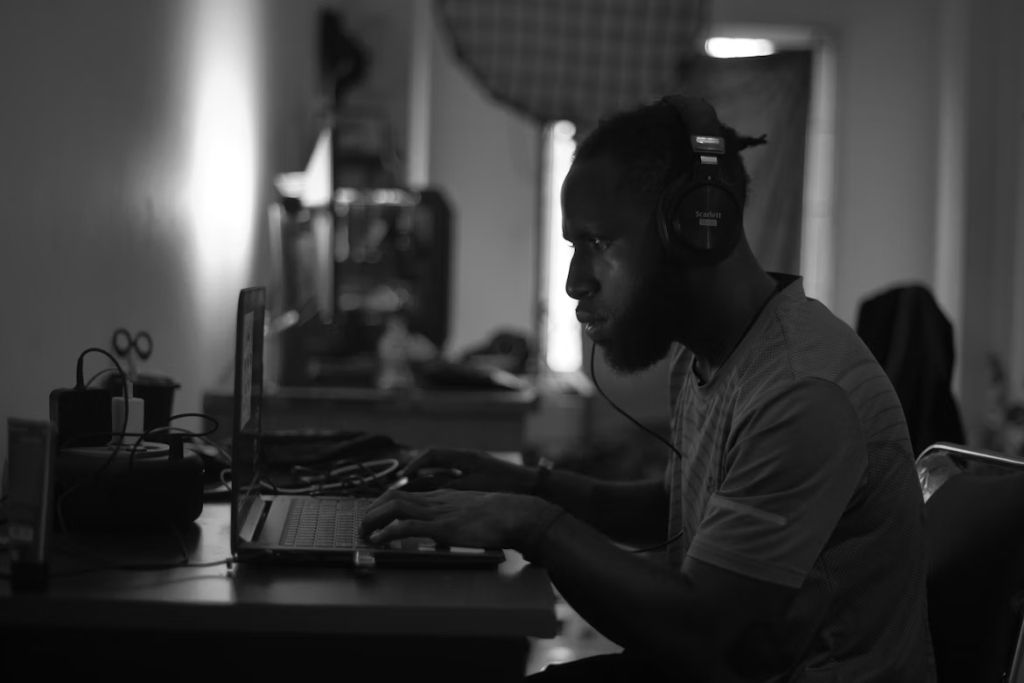
Once rehearsal footage leaves the studio floor and enters an edit, the biggest risk is overcorrection. There is a temptation to trim aggressively, smooth everything out, and make the sequence look more finished than the material wants to be. That can remove the exact quality that made the footage interesting.
A stronger approach is to edit for clarity, rhythm, and emotional progression. The cut should help the viewer understand what is being discovered. That may mean keeping repetition. In a rehearsal video, repetition is often the story. The third try means something because the first two are still visible in memory. A series of attempts can reveal artistic intelligence better than a single clean take.
Some editing decisions tend to serve rehearsal material especially well:
- keeping moments of instruction when they reveal the logic of a change
- trimming only the empty delays that add no texture
- adding minimal text for context such as scene title, rehearsal week, or creative note
- using pacing to show development rather than just shorten runtime
Music should also be used carefully, if at all. Many rehearsal clips lose their specificity when generic soundtrack choices overpower the natural sound of the room. Footsteps, breath, count-ins, laughter, corrections, and fragments of dialogue often carry more truth than added audio ever could. For theatre and dance, especially, natural room sound gives scale to the body and makes the viewer feel physically present.
This is where a clean, flexible editing flow matters. A creator might need to crop for vertical sharing, trim for a short update, merge clips for a longer archive, or add captions for collaborators watching without sound. Those small practical moves shape whether a rehearsal video remains useful after the first viewing.
Rehearsal Footage Can Shape Public Identity
Perhaps the most intriguing evolution in contemporary creative culture is that the process itself has become part of the artist’s identity. There’s typically a powerful response among audiences, collaborators, and producers to well-chosen rehearsal footage because it speaks to discipline, exploration, and individuality. They show how a team thinks.
That does not mean every rehearsal video should be public. Some footage needs privacy to stay honest. Yet the boundary between internal and external use has become more flexible. A clip recorded for spacing notes can later become a short teaser. A sequence saved for movement correction can become part of an audition portfolio. A room study can evolve into a visual statement about the project’s atmosphere.
This is where titles, descriptions, and keywords quietly matter. Terms like rehearsal video, mobile filmmaking, studio footage, performance process, creative editing, short-form video, video editor, and Clideo can support discoverability when they are used naturally. The strongest SEO language in creative publishing usually comes from accurately naming what the footage really is.
The most memorable rehearsal videos understand one simple thing: the room already contains the work’s future. The tension is there. The timing is there. The mistakes are there. The breakthroughs are there. The camera does not need to manufacture meaning from scratch. It only needs to stay close enough to witness the pattern forming.
And once that pattern is visible, the edit becomes an act of care. Somewhere in that workflow, whether on a laptop between calls or through the Clideo Video Editor app on the App Store – https://apps.apple.com/us/app/clideo-video-editor/id1552262611, raw studio material can be shaped into something clearer without losing the grain of the original room. That is what makes rehearsal videos worth taking seriously. It records more than practice. It records the moment a work begins to recognize itself.