


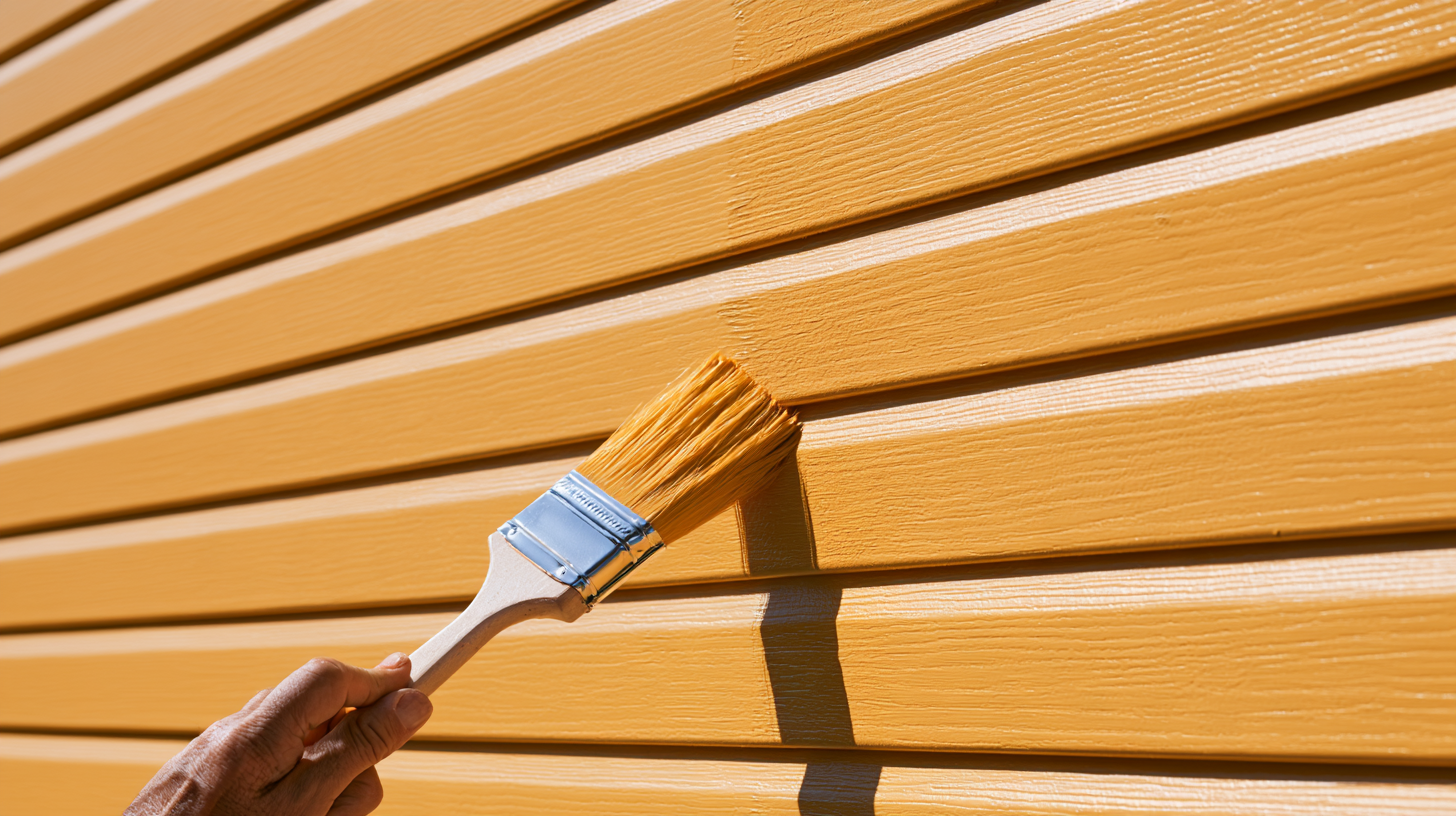
Yes, most sound plastic siding can be painted, and in most homes “plastic siding” means rigid PVC vinyl. If you are wondering whether a repaint is worth it, four things have to line up: you know what the material is, the panels are in good shape, the manufacturer’s warranty permits coating, and the exact paint and tint formula are approved for that vinyl surface. Get those right and a fresh coat can restore a near-factory look to your home’s exterior and stretch the service life of siding you already own.
Is Plastic Siding the Same as Vinyl Siding?
Not always, and the difference changes your answer. Building codes treat several of these products as distinct categories:
- Vinyl siding (rigid PVC): the common case, covered by ASTM D3679 and referenced in the 2024 IRC as a labeled product installed per manufacturer instructions. Usually paintable when sound.
- Polypropylene or polymer shakes: a separate code category, often molded to imitate cedar shakes. Manufacturer approval controls whether coating is allowed at all.
- Cellular PVC siding and trim: often paintable, with product-specific paint, color, and light reflectance limits.
- Plastic composites: paintability varies by product and warranty.
To identify yours, check the installation invoice, pull a loose panel and look for a stamped marking on the back, or have a siding contractor assess it. Unlike wood, where repainting is routine, vinyl was sold as a finish homeowners would never have to maintain, so painting it is a choice rather than an obligation.
Should You Paint It? A Quick Go/No-Go Check
You’re a good candidate if the panels are flat, still flexible, securely fastened, and free to slide at the overlaps and trim channels. The damage should be cosmetic: fading, dirt, chalk, mildew. The manufacturer should permit painting, and an approved color should exist in the shade you desire.
Stop if panels are brittle, cracked, punctured, buckled, or distorted by heat. Same if sections are loose or you see any sign of water getting behind the wall. Paint adds color and some UV protection. It does not restore structure.
When Repairing or Replacing Existing Siding Should Come First
Age and sun exposure make PVC brittle, and brittle panels crack when a roller or ladder touches them. Loose panels at corners and trim channels usually point to a fastening problem that painting will only hide. Leaks or failed flashing around windows can mean rot in the sheathing behind the siding, and replacing a few panels is cheaper than discovering that damage two years later.
Get an inspection before spending money on paint. Readers in Northern California can get a siding condition assessment from a regional contractor such as Pro Superior Construction, which handles siding repair and replacement alongside window work.

Does Painting Vinyl Siding Void the Warranty?
Sometimes, not always, because terms differ by manufacturer. One Ply Gem vinyl siding warranty excludes products that have been painted or had their surfaces altered without written authorization. Pull the warranty for your exact product, ask for written approval, and keep a record of the approved paint and tint formula.
Can You Paint Vinyl Siding a Darker Color?
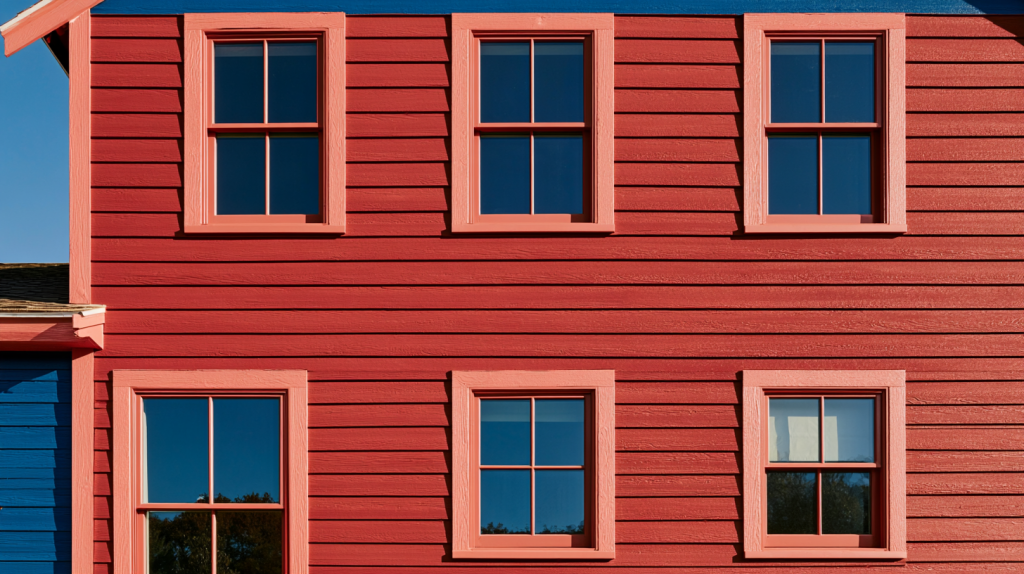
Carefully, and only with an approved color. Dark colors absorb more heat than a light factory finish, the panel runs hotter, and PVC that gets hot enough buckles, warps, or lets the coating peel. The safe baseline still holds: stay with the original color or go lighter.
The exception is vinyl-safe, heat-reflective palettes such as PPG’s siding-safe range or Sherwin-Williams VinylSafe colors, formulated to reflect infrared rather than trap it. Those are approved combinations of product, tint formula, and substrate, not blanket permission for any dark shade. Published reflectance thresholds vary too, from 50 to 56 depending on the manufacturer, so follow current written requirements rather than one industry figure.
What Makes Paint Adhere to Vinyl Siding?
Use an exterior coating explicitly formulated for vinyl, PVC, or architectural plastic. In practice that’s usually a durable 100% acrylic latex or an approved acrylic urethane. Those films stay flexible, which is what lets the paint stick while the panel underneath expands and contracts every day.
Oil-based paint is a poor fit. It cures hard and brittle, so it cracks and lets go of a substrate that keeps moving. The same logic applies to trim, corner posts, and accessories, and the product’s Technical Data Sheet is the final authority on compatibility.
Do You Need Primer Before Painting Vinyl Siding?
On clean, sound siding with a self-priming acrylic or latex urethane, you can usually skip the primer. Use a compatible bonding primer when the siding is pitted, chalky, heavily weathered, repaired, carrying an unknown coating, or getting a big color change. It is also standard on cellular PVC trim and bare wood trim on the same elevation. Lightly scuff smooth or glossy areas so the primer can bite, and keep primer and topcoat in one manufacturer’s system.
How to Clean Existing Siding So the Paint Job Lasts
Nothing will adhere to chalk, so prep decides the outcome. Work in this order:
- Inspect and complete any repairs or panel replacement.
- Wash off dirt, chalk, mildew, and algae with a mild detergent.
- Rinse thoroughly so no cleaner residue is left behind.
- Let the surface dry fully, generally 24 to 48 hours.
- Apply a test patch of the full system somewhere inconspicuous and check adhesion.
Pressure washing is where the advice splits. CertainTeed does not recommend power washing its vinyl or polymer siding because of moisture intrusion and discoloration risk. Ply Gem permits it with conditions: a 40-degree tip, the wand held level rather than angled upward, and pressure within its stated range. Follow your own manufacturer’s cleaning instructions.
Applying the Paint: Right Tools, Temperature, and Technique
Spraying, rolling, and brushing all work; rattle cans do not, since aerosol paint rarely matches an approved exterior system. Brushes earn their keep on trim, corners, door casings, and the tight edges and laps where a sprayer struggles to lay down an even film. Use quality synthetic-bristle brushes made for latex and keep a wet edge. Two thin coats create a more even film than one heavy pass, and the recoat window on the label still applies. Thin coats also settle into the embossed wood grain texture instead of filling it, and buying all your gallons in one batch keeps the tint consistent.
Watch conditions. Many products prohibit application below 40°F or on surfaces hot to the touch, and roughly 50°F to 85°F out of direct sun is the comfortable zone. Vinyl Siding Institute guidance notes a 12’6″ panel can move half an inch or more with temperature swings, so never caulk overlap joints or build paint up heavily enough to bridge them.
DIY or Hire a Pro? Expert Advice Before You Start
A single-story house with sound panels and a lighter color is a realistic weekend-scale project. Two-story elevations, heavy masking, overspray that can make a mess of windows and a neighbor’s cars, and unknown previous coatings all tilt toward hiring someone who will document that the product and tint formula are approved. In the Seattle-Tacoma area, Cover Pro Painting is one locally relevant example of a contractor doing exterior prep and painting alongside siding and rot repair.

Is It Cheaper to Paint Vinyl Siding or Replace It?
Painting vinyl siding almost always saves money when the panels are still serviceable. NerdWallet’s January 2026 guide put professional painting around $2,000 to $6,000 against roughly $6,000 to $18,000 for replacing siding on a 2,000 square foot house. Angi’s July 2026 averages were $3,180 and $11,520. Treat both as broad national estimates, since access, prep, and repairs move the cost. A good job commonly holds five to ten years, and the benefits are mostly cosmetic: restored curb appeal rather than new structure.
| Paint when… | Repair or replace when… |
| Siding is sound but faded | Panels are cracked, brittle, or warped |
| The warranty permits painting | Valuable coverage would be cancelled |
| An approved color is available | The color you want isn’t approved |
| The goal is mainly cosmetic | Water or installation defects exist |
Frequently Asked Questions
What kind of paint do you use on plastic siding? An exterior coating labeled for vinyl, PVC, or architectural plastic, typically 100% acrylic latex or an approved acrylic urethane in a vinyl-safe color.
Will painting vinyl siding last? Consumer guides commonly cite five to ten years. Exposure, color choice, and prep quality all shift that, and washing the panels once a year extends the life of the finish.
Will paint peel off vinyl siding? It can, usually because chalk or mildew was left on the surface, the product was never made for vinyl, or an unapproved dark color pulled in more heat than the panels could handle.
The Bottom Line Before You Open a Can of Paint
Identify the material, inspect it honestly, check the warranty, pick an approved coating and color, clean it properly, and leave the panels free to move. If anything on that list is uncertain, a siding assessment from a qualified local contractor costs far less than a failed repaint.