


For many disc golfers, the best time to play is after finishing work. During autumn and winter, however, shorter days can make evening rounds more challenging. Fairways become harder to read, fallen leaves hide discs, and distant baskets can disappear into the shadows. The right lighting helps players see their surroundings, search for lost discs, and enjoy the game while taking care around other people on the course.
A reliable flashlight can help with several parts of night disc golf, from walking between holes to checking a landing area. The key is choosing a light that suits the task rather than relying on maximum brightness alone. Beam shape, comfort, battery life, and the ability to avoid dazzling teammates all matter when planning a safe round after sunset.
Why Disc Golfers Are Playing After Dark
Autumn and winter leave many players with limited daylight after work. Instead of giving up their regular rounds, some choose to play in the early evening, when a familiar course can feel completely different. Shadows make it harder to judge distances, low branches become less visible, and uneven ground can be difficult to notice while walking toward the next tee. Even experienced players may struggle to follow a disc once it passes beyond the brightest part of the fairway.Suitable lighting helps players manage these conditions, but it cannot make every course safe for night play. Before heading out, check whether the course allows evening rounds, confirm its closing time, and consider the weather and condition of the paths. A little preparation can make the round more enjoyable while reducing the chance of injuries, unnecessary searches, or problems with other park users.
Headlight or Handheld? Keeping Both Hands Free
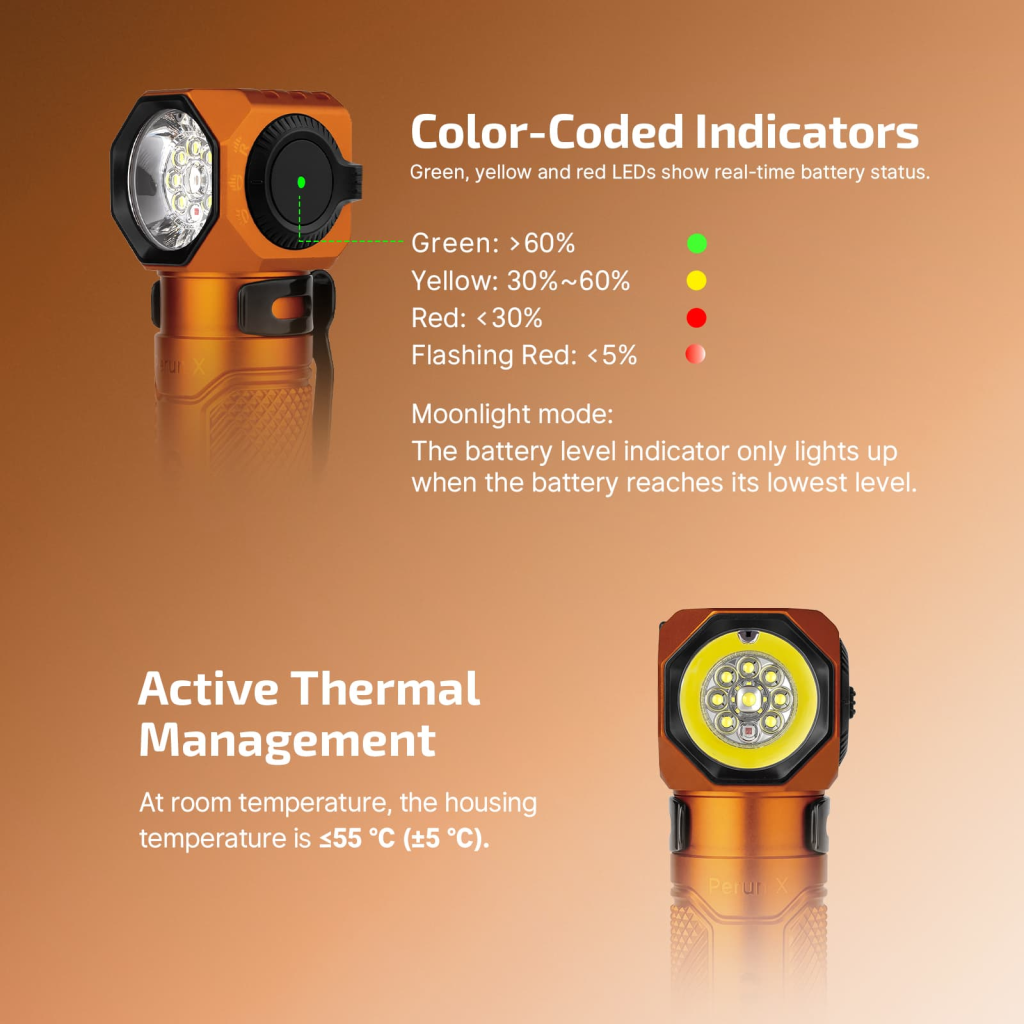
A headlight attached to a comfortable headband keeps both hands available for carrying a disc bag, selecting a disc, and maintaining balance on uneven ground. Because the beam generally follows the player’s gaze, it is useful when walking between holes or checking nearby obstacles. Lightweight equipment is especially helpful during longer rounds, although a poorly fitted light can bounce around or become uncomfortable. Players should also remember that a head-mounted beam follows every head movement, so looking directly at another person can send light into their eyes.A handheld light gives players more control over the beam’s direction, making it easier to inspect a basket, check a specific patch of rough, or search for a disc without turning their heads. The drawback is that one hand remains occupied, which can become awkward when carrying several discs. Using both types of lighting for different tasks may be practical, but players should avoid carrying unnecessary equipment. Whatever setup they choose, the beam should be pointed toward the ground when talking with teammates or waiting for someone to throw.
Lighting the Fairway Without Blinding Your Card
Seeing the shape of the fairway is often more useful than flooding the entire area with the brightest possible beam. A broad flood beam can illuminate nearby ground, low branches, and changes in the terrain, while a focused spot beam helps players look farther ahead. Combining these beam types can be useful when moving through an unfamiliar section of the course because players can see both the immediate surroundings and objects at a greater distance. However, narrow beams can leave nearby areas dark, so players should choose a pattern that matches the conditions.Brightness and beam direction also affect everyone else on the card. A powerful light aimed at another player’s face can temporarily interfere with their vision and make it harder to follow a throw. Use the lowest brightness that provides adequate visibility, point the beam downward during conversations, and avoid shining it across another player’s putting line. Red light may be useful for checking a bag or scorecard with less disruptive illumination, but it does not reveal every color or surface detail as clearly as white light. Switch to suitable white lighting whenever you need to inspect the ground or identify an obstacle.
Finding Discs in Rough and Leaves
Lost discs can be especially difficult to find during autumn, when fallen leaves cover the ground and blend into the surrounding grass. At night, players may also lose sight of a disc’s flight before it lands, making it harder to know where to begin searching. Try to remember its direction and approximate landing point, then examine that area before expanding the search. Move the beam slowly across the ground instead of sweeping it rapidly, and check under leaves, around low plants, and along the edges of the fairway. A methodical search is often more effective than walking randomly through the rough.A right-angle handheld flashlight can make this task more comfortable because its light points sideways from the body rather than straight out from the front. Depending on the design, players may be able to hold it, clip it to suitable gear, or attach it magnetically to a compatible metal surface. This arrangement can leave a hand available to move leaves carefully or pick up a disc. If several people are searching, divide the area into sections to avoid repeating the same work. Set a reasonable time limit, stay together where possible, and avoid entering unsafe terrain simply to recover a disc.
Putting at Night: Low Flood and Steady Beams
Putting requires players to judge the basket’s position, maintain a steady stance, and see the ground around their feet. A broad, low flood beam can illuminate the area between the lie and the basket, helping reveal roots, dips, and other obstacles. A narrow beam may be useful for checking the basket’s location, but it can leave the surrounding ground poorly lit. Position the light so it provides enough visibility without shining directly into the basket from an uncomfortable angle or distracting other players.Consistency matters just as much as brightness. A beam that moves whenever a player turns their head can interrupt their putting routine, while repeatedly switching a bright light on and off can distract the rest of the card. Set the light before preparing to throw, keep it steady, and avoid changing its direction while another player is putting. A comfortable headband and manageable weight also make a difference over a long round. If a red-light mode is available, it may help with simple tasks between throws, but use adequate white light whenever accurate visibility is needed.
Olight Perun X and Perun Ultra on the Course
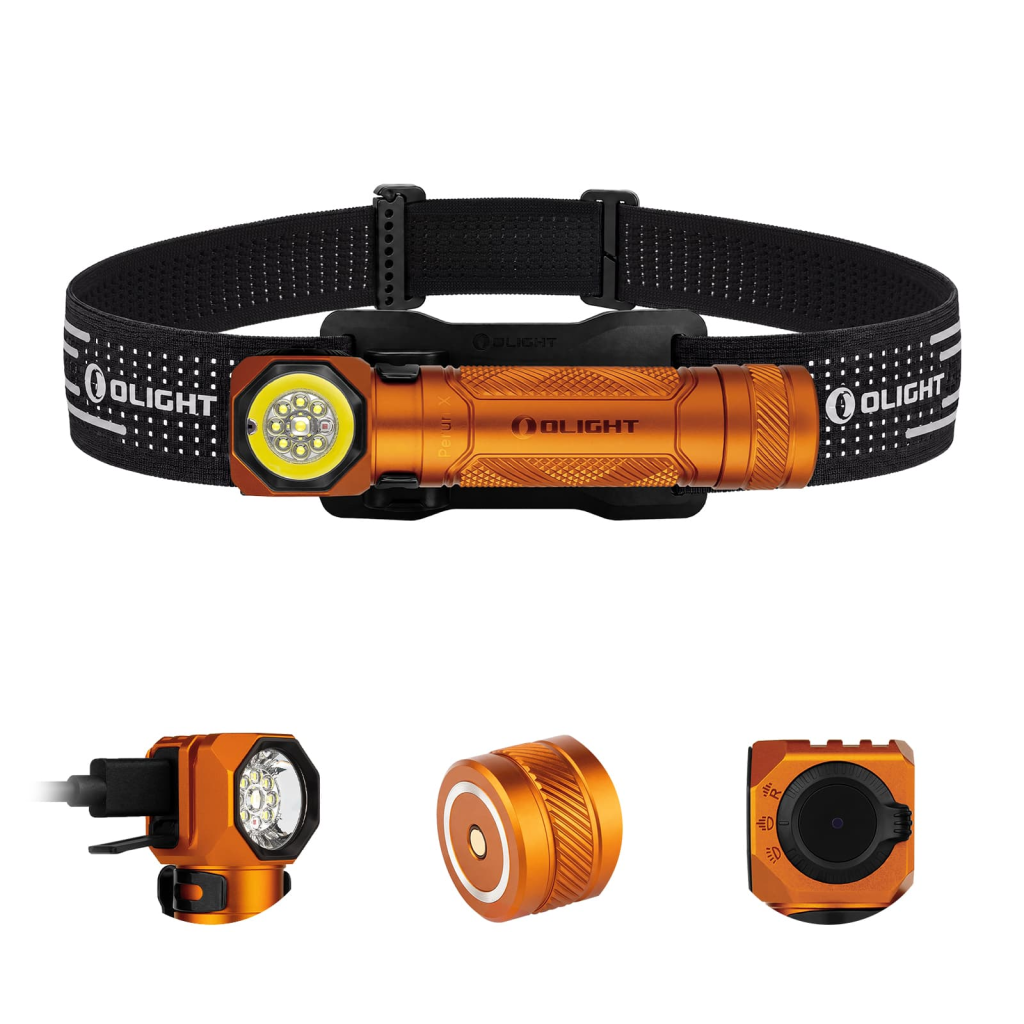
The Olight Perun X offers several lighting options that can help with different parts of an evening round. Its Spot+Flood mode activates both beam types at the same time, providing focused distance visibility alongside broader coverage of the nearby area. The pure floodlight setting is useful for illuminating the fairway, checking the ground around a lie, or examining an area where a disc may have landed. Instead of relying on a narrow beam alone, players can use the wider spread of light to notice nearby obstacles while keeping the area ahead visible. The best setting will depend on the course layout and how much surrounding light is available.The Perun X also provides red light, which can be useful for checking nearby equipment without always using a bright white beam. At approximately 120 grams, it is designed to remain relatively lightweight for head-mounted use, and its IPX7 water-resistance rating provides protection against water exposure within the limits of that rating. The Olight Perun Ultra may suit players who need to inspect distant areas because its stated beam distance reaches up to 350 meters under specified conditions. Actual visibility depends on weather, background lighting, terrain, and the size and contrast of the object being viewed. When comparing different headlamps, consider comfort, beam pattern, weather protection, and practical battery life alongside brightness. Neither a long-range beam nor water resistance removes the need for careful use and safe course habits.
Course Etiquette and Safety for Night Rounds
Before playing, confirm the course’s official opening hours and rules. Some parks prohibit play after sunset or restrict access to certain areas, so never assume a course is open simply because the entrance is accessible. Check the weather, charge your lights, and carry a phone in case you need assistance. Reflective clothing or visible accessories can also help group members recognize one another when walking between holes, especially near roads or shared paths. Agree on a reasonable limit for searching for lost discs so that one difficult recovery does not leave the group out on the course longer than planned.Respect for other players is essential during a night round. Keep beams pointed down when talking, avoid shining lights across another person’s line of sight, and give everyone enough time to prepare for a throw. Stay within permitted playing areas, watch your footing, and avoid entering dense vegetation or unfamiliar terrain when visibility is poor. If the course becomes too dark or conditions turn unsafe, finish the round early rather than taking unnecessary risks. With suitable lighting, a careful search routine, and consideration for the rest of the card, night disc golf can remain an enjoyable way to play during the shorter days of autumn and winter.