


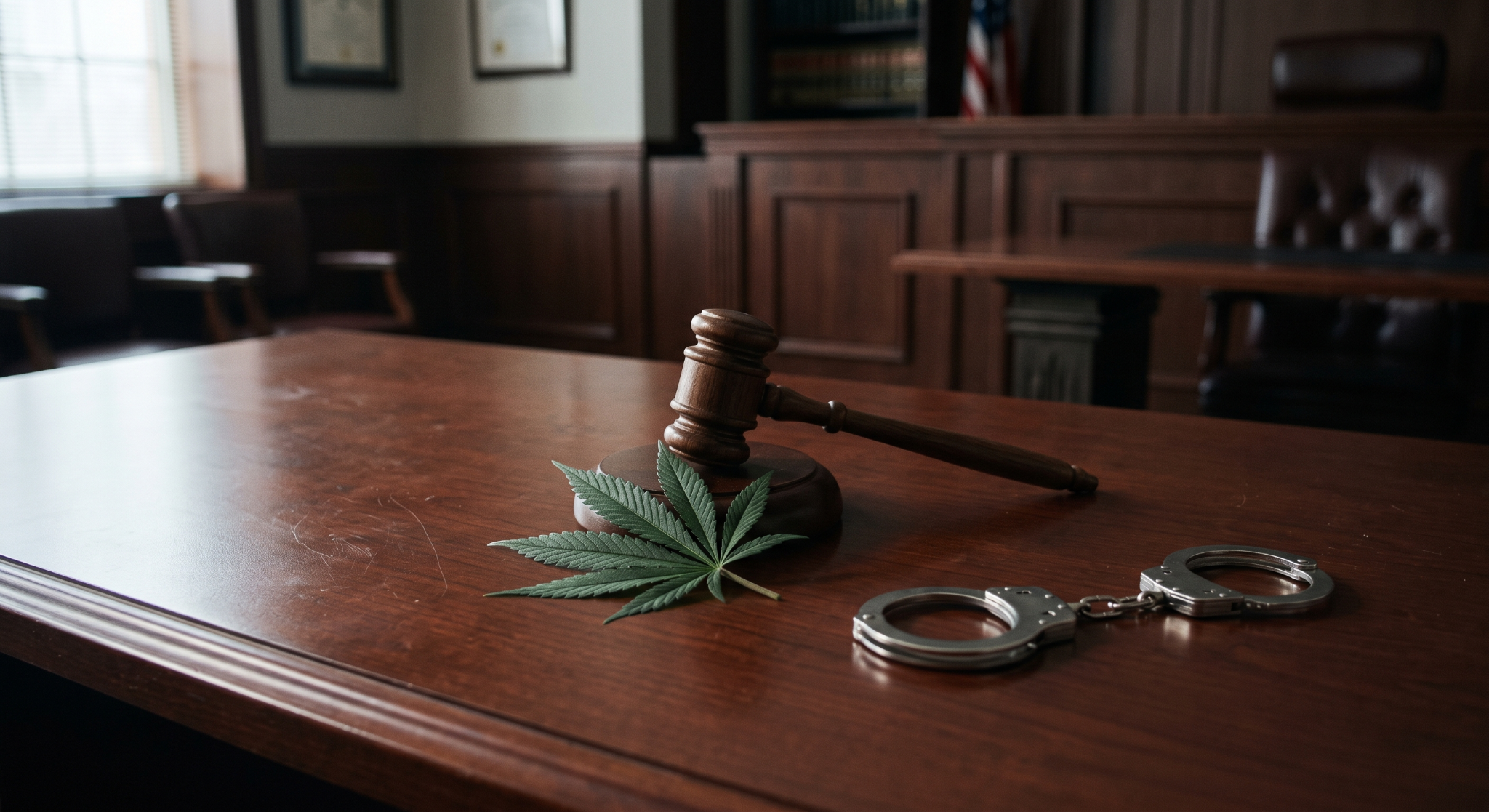
New Jersey made history in 2021 when it legalized recreational marijuana, and residents across the state, including those in arts, music, and entertainment communities, breathed a collective sigh of relief. For a community that has long sat at the intersection of creative freedom and legal scrutiny, legalization felt like an overdue correction.
But legalization is not the same as a blank check. More than a few New Jersey residents have been surprised to learn, sometimes after an arrest, that the rules around marijuana are far more specific than the headlines suggested. If you live, work, or spend time in New Jersey and assume that legalization means anything goes, this is a reality check worth reading.
What New Jersey Actually Legalized
In January 2021, New Jersey voters approved a constitutional amendment legalizing adult-use marijuana, and the Cannabis Regulatory Commission began overseeing licensed sales. Adults 21 and older can legally purchase and possess marijuana from licensed dispensaries.
But the law draws clear boundaries.
Under the New Jersey Cannabis Regulatory, Enforcement Assistance, and Marketplace Modernization Act (CREAMMA), the legal framework for marijuana is narrower than most people assume. The New Jersey Cannabis Regulatory Commission provides detailed guidance on what is permitted, and the list of what remains illegal is substantial.
Still Illegal: What Can Get You Arrested
Possessing More Than the Legal Limit
Adults 21 and older may possess up to six ounces of cannabis. That may sound like a lot, but exceeding that threshold carries criminal exposure. Possession of large quantities, particularly amounts consistent with distribution, can result in serious charges.
Selling Without a License
This is where many people run into trouble. Legal marijuana means legal, licensed marijuana. Selling cannabis outside of the licensed retail framework, even casually, even to friends, even without profit, remains a criminal offense. The unlicensed distribution of marijuana can be charged as a crime with significant penalties under New Jersey law.
For artists, event organizers, and venue operators who move in spaces where informal exchange of substances is culturally normalized, this distinction matters. Gifting marijuana or accepting any form of compensation in connection with distribution can expose you to charges that look nothing like a minor infraction.
Consuming in Public
Marijuana consumption is prohibited in public spaces in New Jersey. That includes parks, sidewalks, concert venues, bars, restaurants, and anywhere that is not a private residence or a state-licensed consumption lounge. The specific rules governing consumption lounges are still being developed by the Cannabis Regulatory Commission.
For attendees of live music events, gallery openings, and outdoor festivals, common touchpoints for arts and entertainment communities, public consumption remains an arrestable offense, not a ticket.
Driving Under the Influence
Marijuana impaired driving is a criminal offense in New Jersey, full stop. The state does not have a standardized per se THC limit in the same way it has a 0.08 BAC threshold for alcohol, but law enforcement officers trained in Drug Recognition Evaluation can and do make DUI arrests based on observed impairment. A marijuana DUI conviction carries license suspension, fines, and potential jail time.
Possession by Anyone Under 21
Legalization was for adults. Underage possession of marijuana remains an offense under New Jersey law, and the consequences extend to those who provide marijuana to minors, who can be charged with a distribution offense regardless of whether money changed hands.
Federal Property and Crossing State Lines
Federal law still classifies marijuana as a Schedule I controlled substance. According to the Drug Enforcement Administration’s controlled substance scheduling information, this federal classification has not changed. Possessing or consuming marijuana on federal property, which includes national parks, federal buildings, and areas within federal jurisdiction, is a federal offense regardless of state legalization. Similarly, transporting marijuana across state lines, even between two states where it is legal, constitutes federal drug trafficking.
What Happens If You’re Charged
A marijuana-related arrest in New Jersey after legalization can feel absurd, but the charges are real, and the consequences are not minor. Distribution charges, DUI charges, and charges involving minors all carry potential jail time, fines, and lasting impacts on employment and authority licensing.
The National Institute on Drug Abuse notes that public understanding of marijuana’s legal status consistently trails the actual legal framework, meaning people often act on assumptions that do not reflect the law as written.
If you are facing marijuana or other drug-related criminal charges in Parsippany or the surrounding Morris County area, immediate action is essential. An experienced legal team can evaluate the legality of the stop or search that led to your arrest, challenge the evidence, and work to minimize the impact on your life and career. Consulting with criminal defense lawyers in Parsippany will provide the clarity you need regarding your legal options.
The Bottom Line
Marijuana legalization in New Jersey was a meaningful reform, but it is a regulated reform, not a free-for-all. The rules around quantity, sales, public consumption, and driving are real, and violations carry real consequences. In a community built around creative expression and live culture, understanding where the legal lines are drawn is part of protecting everything you have built.