


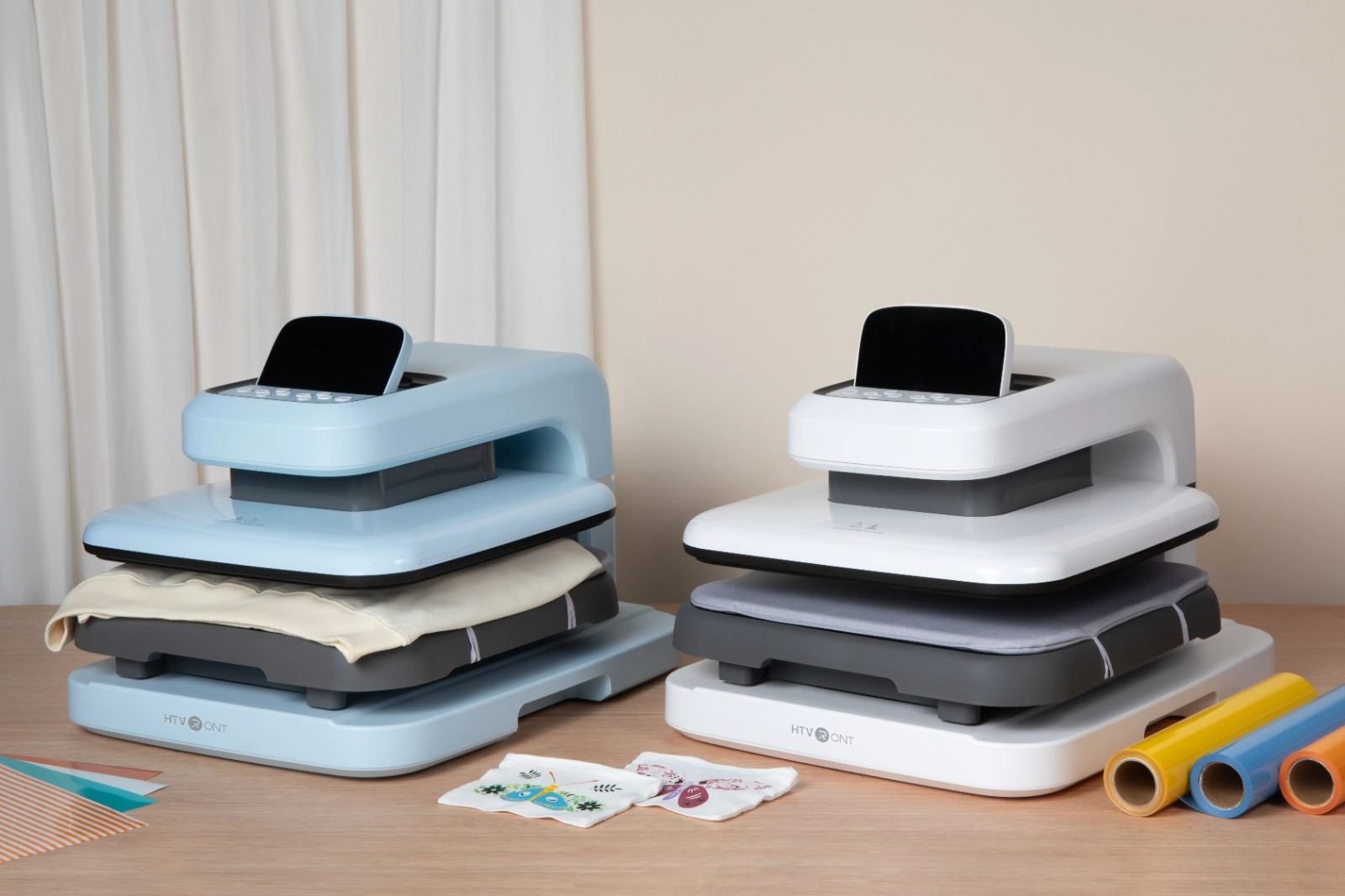
Technology has changed the way people create, customize, and share their ideas. Creative projects that once required specialized equipment or professional production services can now be completed in home studios, workshops, and small businesses. This shift is particularly noticeable in custom apparel, where digital design tools and accessible heat transfer equipment have made personalization easier to explore.
The growth of DIY apparel also connects with the broader world of gaming, entertainment, and geek culture. Fans often want clothing that represents a favorite game, character, community, hobby, or original idea. Instead of searching for an exact product, creators can develop their own designs and turn them into wearable pieces.
Modern garment decoration can involve several different technologies and materials. A heat press machine provides controlled heat and pressure, sublimation paper supports a particular transfer method, and heat transfer vinyl offers another approach for creating personalized designs. Understanding how these tools differ can help beginners choose the right process for their projects.
The Rise of DIY Custom Apparel
Personalized clothing has become a natural extension of online creativity. Digital communities encourage people to create graphics, share artwork, develop fan-inspired concepts, and build products around their interests. A custom shirt can be more than clothing because it can communicate a hobby, identity, inside joke, or creative idea.
Gaming and geek culture have played an especially visible role in this trend. Fans may want original designs inspired by gaming aesthetics, science fiction, technology, fantasy, or internet culture. Independent creators can respond to these interests with limited designs rather than relying on mass-produced products.
The technology behind these projects has also become more approachable. A small workspace can support a cutting machine, heat press, transfer materials, and design software. This allows creators to experiment with different techniques without necessarily needing a large production facility.
For beginners, the important thing is to understand that different transfer methods are designed for different applications. There is no single material that is ideal for every garment, artwork style, or production goal. Learning the characteristics of each method makes the creative process much more predictable.
Choosing a Heat Press Machine
A heat press machine is one of the central tools in many apparel decoration workflows. It uses controlled heat and pressure to help transfer a prepared design onto a suitable surface. Unlike an ordinary household iron, a dedicated press is designed specifically for this type of application.
The machine can be used with different transfer materials depending on the project. This makes it useful for creators who want to experiment with multiple decoration techniques. However, the correct temperature, pressure, and pressing time can vary significantly between materials.
Size is another consideration when selecting equipment. A larger pressing area can accommodate larger designs and garments, while a smaller machine may make more sense for someone with limited workspace or relatively small projects. The right choice depends on the type and volume of work being produced.
Preparation is just as important as the machine itself. The garment should be positioned correctly and placed on a suitable pressing surface. Wrinkles, seams, buttons, pockets, and uneven areas can affect pressure. Taking a moment to prepare the garment can prevent problems later.
How Sublimation Paper Fits Into the Process
Sublimation paper is used as part of a sublimation printing workflow. Unlike heat transfer vinyl, sublimation relies on specialized dye-based inks and suitable substrates. Under the appropriate conditions, the printed design is transferred into compatible material rather than simply sitting as a separate vinyl layer on top.
This distinction is important for beginners. Sublimation is not interchangeable with every other heat transfer technique. It works particularly well with compatible polyester-based materials and specially coated products. The substrate therefore needs to be considered before choosing this method.
The artwork also needs to be prepared appropriately for sublimation. Colors, image quality, sizing, and layout should be checked before printing. Since the final product may look different from the original design displayed on a screen, testing is useful when working with new materials.
The role of sublimation paper is to carry the printed image during the transfer process. When the appropriate combination of ink, paper, substrate, heat, pressure, and time is used, the design can be transferred effectively. Manufacturers’ instructions should always guide the specific settings.
For creators producing gaming merchandise, personalized gifts, or decorative products, sublimation can provide another creative option. It is particularly useful when the chosen substrate is compatible with the process and the desired visual effect suits sublimation.
Exploring Heat Transfer Vinyl
Heat transfer vinyl provides a different approach to garment customization. Instead of printing a design onto transfer paper and sublimating it into a substrate, HTV is generally cut into shapes or lettering using a compatible cutting machine.
After cutting, unwanted vinyl is removed during the weeding process. The remaining design is positioned on the garment and applied using a heat press. This makes HTV especially practical for names, numbers, logos, simple graphics, lettering, and designs that can be separated into cut shapes.
Different vinyl products can have different characteristics. Some are intended for particular fabrics, colors, or application conditions. Users should therefore check the manufacturer’s recommendations before selecting a vinyl for a project.
Artwork preparation is important because very small details can make weeding difficult. Beginners may find it easier to start with bold shapes and readable lettering before moving into highly detailed designs.
HTV can be particularly useful for fan-inspired apparel because it allows creators to combine different colors, shapes, and lettering styles. A gaming-themed shirt, for example, could use multiple vinyl colors to create a simple graphic without requiring a full-color printing workflow.
Understanding the Differences Between Transfer Methods
Choosing between heat transfer vinyl and sublimation depends heavily on the garment or substrate and the desired appearance. HTV creates a physical transfer layer on the surface, while sublimation is designed to transfer dye into compatible materials.
Sublimation is commonly associated with polyester fabrics and specially coated hard surfaces. HTV can be used across a range of suitable garments, but compatibility still depends on the particular vinyl and fabric. Checking product specifications before production is essential.
The type of artwork also matters. HTV is convenient for designs involving text, numbers, logos, and distinct shapes. Sublimation can be attractive for colorful artwork and designs that benefit from a printed appearance, provided the substrate is compatible.
A heat press can be part of both workflows, but that does not mean the same settings can be used for every material. Temperature, pressure, and time should be selected according to the specific product instructions.
For a small creative business, understanding these differences can prevent unnecessary material waste. Testing a design and substrate combination before producing a larger order is often a practical way to establish a reliable workflow.
Creating Better DIY Projects
A successful DIY apparel project begins with planning. Before cutting or printing anything, consider the garment, design dimensions, colors, transfer method, and final appearance. A quick digital mockup can help identify placement issues before materials are used.
Garment preparation is also important. The surface should be clean and reasonably flat, with wrinkles removed before applying a transfer. The design should be measured and positioned consistently, particularly when creating multiple items with the same artwork.
Testing is one of the most useful habits for beginners. A sample garment can reveal whether the material is compatible, whether the design size works, and whether the recommended application settings produce the expected result.
Keeping a simple production record can also make future projects easier. Record the material used, garment type, application conditions, and observations. This information can help recreate successful results and identify the cause of problems.
Creators should also remember that customization is about experimentation. Technology provides the tools, but creativity determines how those tools are used. Combining different design ideas with appropriate materials can produce products that feel personal rather than mass-produced.
Heat Transfer Technology and Geek Culture
Gaming and entertainment communities often value individuality and creativity. Custom apparel gives fans a way to express those interests through clothing, accessories, and personalized products.
The technology behind these products makes it possible for small creators to respond quickly to niche interests. Instead of producing thousands of identical pieces, a creator can experiment with smaller quantities and adjust designs based on audience feedback.
This is particularly relevant to online communities. A creator may develop an idea after seeing a discussion, meme, game trend, or fan conversation. Digital design tools can then help turn that idea into artwork, while heat transfer equipment provides a practical route to physical production.
The result is a connection between digital culture and physical creativity. A design that begins as an idea shared online can eventually become something a person wears, gives as a gift, or sells through a small creative business.
Common Mistakes to Avoid
One of the most common mistakes is assuming that all transfer materials work in the same way. Sublimation paper and heat transfer vinyl serve different purposes, and each requires an appropriate workflow.
Another mistake is ignoring fabric compatibility. A beautiful design can fail to produce the desired result if the selected transfer method is unsuitable for the garment. Always verify that the material and substrate are compatible before starting.
Incorrect pressing conditions can also cause problems. Too little or too much heat, pressure, or time may affect the finished product. Product-specific instructions should be followed rather than relying on a generic setting found online.
Poor design placement is another avoidable issue. Before pressing, check the position from different angles and make sure the design is straight. Consistent measurements are especially useful when producing multiple garments.
Finally, avoid rushing the process. Good results usually come from careful preparation rather than simply increasing heat or pressure. Testing, recording results, and adjusting one variable at a time can make learning much easier.
Conclusion
Modern heat transfer technology has made DIY apparel more accessible to creators, hobbyists, and small businesses. A heat press machine provides controlled heat and pressure, while sublimation paper and heat transfer vinyl support different approaches to customization.
Understanding the differences between these materials is essential. Sublimation is suited to compatible substrates and uses a dye-based transfer process, while HTV is cut into designs and applied directly to suitable garments. Both methods can produce creative results when the correct materials and application conditions are used.
For gaming, entertainment, and geek culture communities, these technologies provide an opportunity to turn digital interests into physical products. With careful artwork preparation, suitable materials, proper testing, and consistent application, DIY creators can develop personalized apparel that reflects their own ideas and communities.