


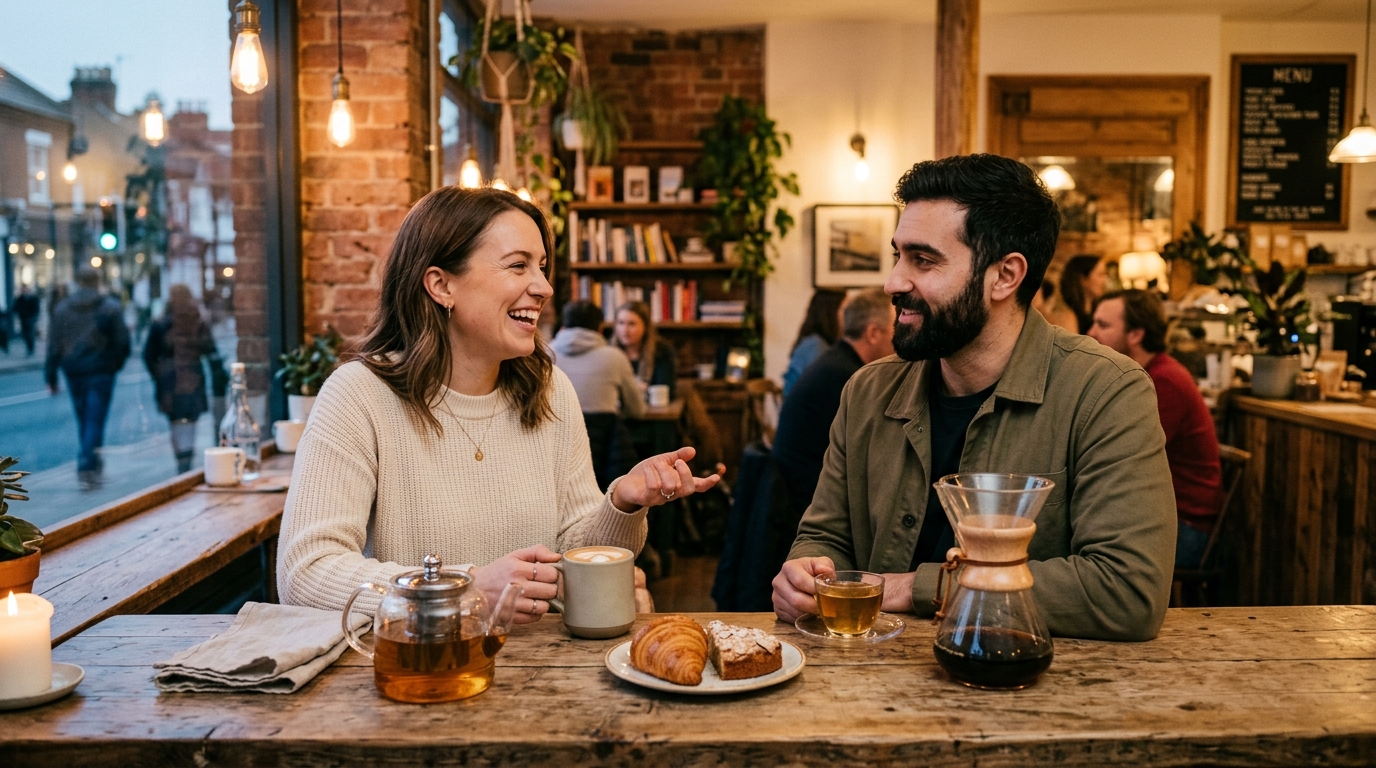
Nobody really remembers a drink for the ingredients alone. They remember the lighting, the company, the moment just before the first sip.
Beverage culture has changed because people have started treating drinks as part of an experience rather than just a product — and the environment in which you consume something is as now as important as what’s in the glass.
Why Ritual Matters More Than Ever
Packed calendars, constant notifications, and work that bleeds into evenings have left a lot of people mentally exhausted well before the day ends. Small, repeated rituals help create structure in that noise.
That’s why beverage routines have gotten more deliberate. Some people light a candle and make tea before bed. Others visit the same café every morning not just for the coffee, but because the walk and the order and the familiar cup all feel grounding.
These aren’t indulgences — they’re low-effort anchors that help the nervous system settle. Drinks slot easily into these routines because they’re multisensory: taste, temperature, texture, aroma, and even the weight of the glass all affect how you feel.
The same drink in a chilled glass at a table versus a paper cup in transit is a meaningfully different experience. Evening rituals in particular have become an anchor point for people looking to decompress consistently.
Atmosphere Has Become Part of the Product
Walk into a well-designed coffee shop or cocktail bar today and it’s obvious that the business isn’t just selling drinks. The lighting is softer, the seating is comfortable, the music is considered rather than loud. Many modern cafés actively encourage people to stay — because lingering is part of what they’re selling.
The same instinct has moved into people’s homes. Home beverage setups have become more curated: a proper espresso machine, a dedicated spot for evening tea, a bar cart that actually gets used. Social media accelerated this — aesthetically staged home setups spread fast — but the underlying motivation is comfort and routine, not performance.
Hosts are giving more thought to how drinks fit the mood of a gathering — the pacing, the glassware, the pairing with what’s being served. The goal has shifted from simply offering a drink to creating a moment around it.
Social Drinking Is Expanding Beyond Alcohol
Alcohol used to be the default social lubricant. That’s less true now, especially among younger consumers who want the social experience without the aftermath. This has opened real space for functional beverages, botanical drinks, and craft mocktails — and for a newer category of alcohol alternatives with mood effects.
They offer the ritual of a shared drink, mild relaxation, and a social experience — without the hangover or the calorie load. For people who enjoy the tradition of drinking together but are increasingly dissatisfied with how alcohol makes them feel, that’s a meaningful alternative, not just a novelty.
Beverage Rituals Reflect How People Want to Live
The through-line in all of this is intentionality. People are making more deliberate choices about what they consume, when, and in what setting. A drink isn’t just a drink anymore — it’s a small ritual that signals a transition in the day, a way of being present, or an excuse to slow down. The brands and spaces that understand that will keep winning. The ones that don’t will keep losing market share to the ones that do.