


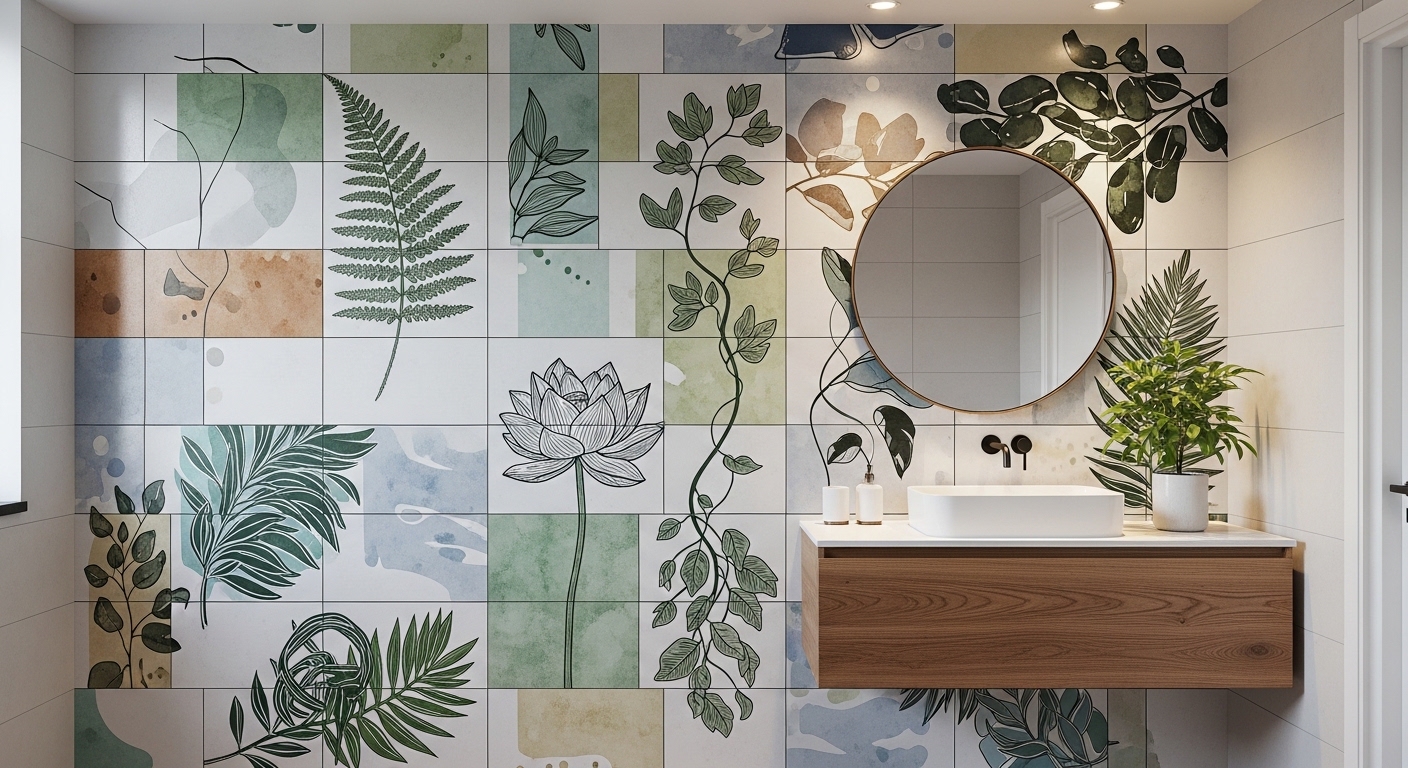
The humble tile has undergone a remarkable transformation in recent years. No longer simply a practical necessity, tiles have evolved into a powerful medium for artistic expression and interior design innovation. Modern artistic tiles now serve as focal points that can completely transform kitchens and bathrooms from purely functional spaces into stunning showcases of contemporary style and personal taste. Whether you’re embarking on a complete renovation or simply looking to refresh tired surfaces, understanding the world of modern artistic tiles opens up a universe of creative possibilities for your home.
- The Renaissance of Tile Design
The tile industry has experienced something of a renaissance over the past decade, driven by advances in manufacturing technology and a growing appetite for personalised, design-led interiors. Digital printing techniques now allow manufacturers to reproduce intricate patterns, textures, and even photographic images with stunning clarity and precision. This technological leap has democratised artistic tile design, making previously expensive custom options accessible to homeowners at various price points.
Contemporary tile designers draw inspiration from diverse sources – from Moroccan zellige and Japanese ceramics to abstract expressionism and digital art. This fusion of traditional craftsmanship and modern aesthetics has resulted in an extraordinary range of options that cater to every taste and interior style. The modern artistic tile market now offers everything from subtle, sophisticated designs that whisper elegance to bold, statement-making patterns that demand attention.
- Exploring Different Styles of Artistic Tiles
Geometric Patterns
Geometric tiles have become synonymous with modern interior design, offering clean lines and mathematical precision that complement contemporary aesthetics beautifully. From hexagons and chevrons to intricate tessellations and three-dimensional optical illusions, geometric tiles create visual interest whilst maintaining a sense of order and sophistication. These designs work particularly well in both kitchens and bathrooms, where they can define specific zones or create accent walls that draw the eye.
The beauty of geometric patterns lies in their versatility. Monochromatic geometric tiles can create a subtle, textured backdrop, whilst bold colour combinations can energise a space and serve as the room’s design centrepiece. Many homeowners opt for geometric floor tiles in bathrooms to create a vintage-meets-modern aesthetic that feels both timeless and on-trend.
Hand-Painted and Artisan Tiles
For those seeking truly unique surfaces, hand-painted and artisan tiles offer unparalleled character and authenticity. These tiles celebrate imperfection and individuality, with each piece bearing the distinctive marks of human craftsmanship. Mediterranean-inspired designs featuring florals, fruits, and pastoral scenes remain perennially popular, whilst contemporary artisan tiles might showcase abstract brushstrokes, watercolour effects, or minimalist line drawings.
Incorporating hand-painted tiles into your kitchen or bathroom creates an immediate sense of luxury and exclusivity. They work beautifully as splashbacks, where their artistic qualities can be properly appreciated, or as decorative inserts amongst plainer field tiles for a more subtle approach. The slightly irregular surface and glaze variations inherent in artisan tiles add depth and warmth that machine-made alternatives simply cannot replicate.
Metallic and Lustrous Finishes
Metallic tiles bring glamour and sophistication to modern artistic interiors, with finishes ranging from brushed copper and brass to glossy chrome and antiqued silver. These tiles reflect light in captivating ways, adding dimension and visual interest to surfaces. In kitchens, metallic tiles can complement stainless steel appliances and create a cohesive, professional aesthetic. In bathrooms, they introduce a spa-like luxury that elevates the everyday bathing experience.
Lustrous tiles with iridescent glazes offer a more subtle approach to reflective surfaces. These tiles shift in appearance depending on the lighting and viewing angle, creating dynamic surfaces that never feel static or boring. Mother-of-pearl effects, oil-slick finishes, and metallic glazes can transform a simple subway tile into something extraordinary.
Nature-Inspired Designs
The biophilic design movement has significantly influenced tile design, with many modern artistic tiles drawing inspiration from the natural world. Botanical prints, stone-effect finishes, wood-look ceramics, and organic abstract patterns bring the calming influence of nature indoors. These tiles satisfy our innate connection to the natural environment whilst offering the practical benefits of ceramic and porcelain materials.
Marble-effect tiles deserve particular mention, as advances in digital printing have created porcelain tiles that faithfully reproduce the veining and colour variations of natural marble at a fraction of the cost and maintenance requirements. These tiles allow homeowners to achieve the luxurious look of natural stone with improved durability and easier care – particularly important in high-moisture environments like bathrooms and kitchens.
- Choosing Tiles for Specific Spaces
Kitchen Considerations
The kitchen presents unique challenges and opportunities for artistic tile applications. Splashbacks are the primary canvas for artistic expression, as they’re protected from the heaviest wear whilst remaining highly visible. Consider using statement tiles behind the hob or sink area, where they’ll be protected by the work surface and upper cabinets, creating a focal point that doesn’t overwhelm the entire space.
Floor tiles in kitchens must balance aesthetics with practicality. Choose slip-resistant finishes and consider how patterns will work with your kitchen layout – busy patterns can make small kitchens feel cluttered, whilst larger geometric designs can help define zones in open-plan spaces. Neutral artistic tiles with subtle patterns often work best for kitchen floors, allowing you to introduce bolder colours and designs elsewhere.
Bathroom Applications
Bathrooms offer more freedom for artistic tile experimentation, as the smaller space allows for bolder choices without overwhelming your entire home. Feature walls in walk-in showers or behind freestanding baths provide ideal opportunities for statement tiles, creating a luxurious focal point whilst keeping costs manageable by limiting the artistic tiles to specific areas.
Consider the scale of patterns in relation to your bathroom size. Small bathrooms benefit from larger tiles with subtle patterns, which create fewer grout lines and help the space feel more expansive. Larger bathrooms can accommodate more intricate designs and pattern mixing, allowing you to create truly unique, gallery-like spaces.
- Practical Considerations and Installation Tips
Whilst aesthetics are important, practical considerations shouldn’t be overlooked when selecting artistic tiles according to Tech Tiles. Ensure tiles are suitable for their intended location – wall tiles and floor tiles have different durability requirements, and bathroom tiles need appropriate water resistance ratings. Textured and three-dimensional tiles, whilst visually striking, can be more challenging to clean and may harbour dirt in kitchen environments.
Professional installation is strongly recommended for artistic tiles, particularly those with complex patterns or requiring precise alignment. Skilled installers can ensure pattern continuity, proper spacing, and appropriate grouting that enhances rather than detracts from the artistic design. The investment in professional installation protects your investment in premium tiles and ensures a flawless finish.
- Maintaining Your Artistic Tiles
Modern artistic tiles are generally low-maintenance, but some finishes require specific care. Metallic and lustrous glazes may need gentle, non-abrasive cleaners to preserve their sheen. Hand-painted tiles with delicate designs should be cleaned with pH-neutral products to protect the artwork. Regular sealing may be necessary for certain finishes, particularly in high-moisture areas.
Establish a regular cleaning routine using appropriate products for your specific tile type. This prevents the build-up of soap scum, limescale, and cooking residues that can dull the appearance of even the most beautiful tiles. Grout maintenance is equally important – sealed grout lines resist staining and maintain the crisp, clean appearance that allows artistic tiles to shine.
- Conclusion
Modern artistic tiles represent the perfect marriage of form and function, transforming kitchens and bathrooms into spaces that reflect personal style whilst meeting practical needs. The extraordinary variety available today means there’s truly something for every taste, from subtle sophistication to bold artistic statements. By carefully considering your space, lifestyle, and aesthetic preferences, you can select artistic tiles that will provide years of beauty and satisfaction. Whether you opt for geometric precision, hand-painted charm, metallic glamour, or nature-inspired serenity, modern artistic tiles offer an accessible way to elevate your home’s most functional spaces into rooms you’ll genuinely love spending time in. The tile beneath your feet and upon your walls need no longer be an afterthought – it can be the very foundation of your interior design vision.