


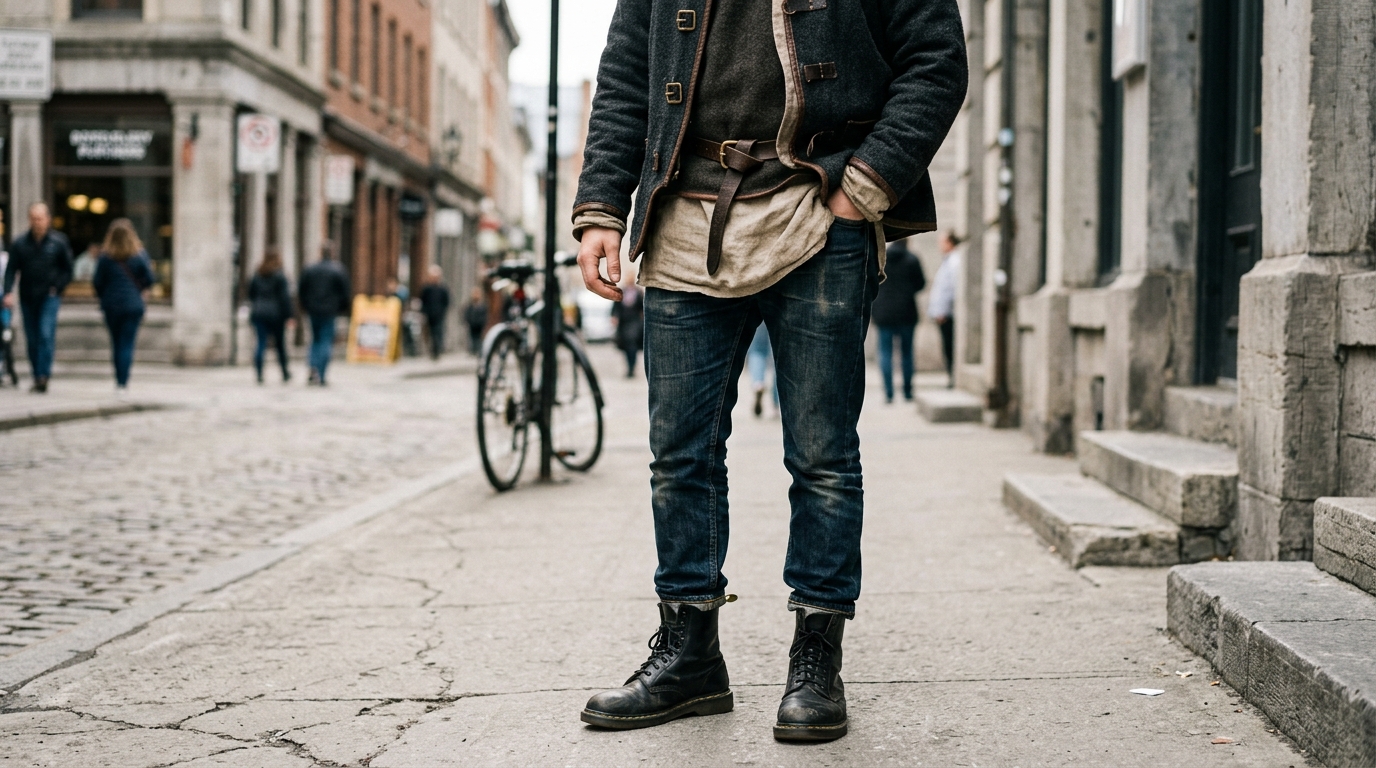
Medieval style has a reputation for being “costume-y,” but that’s mostly because we picture festivals: velvet capes, towering headpieces, heavy brocade. Real medieval-inspired dressing—done well—looks less like a reenactment and more like a thoughtful approach to silhouette, texture, and layering. It’s romantic, practical, and surprisingly wearable.
The trick is to borrow the logic of medieval clothing rather than copying a head-to-toe look. Medieval garments were built for movement, warmth, and longevity. They relied on natural fibers, adjustable shapes, and layers that could shift with the weather. If you translate those principles into modern outfits, you’ll get that old-world mood without feeling like you’re headed to a banquet hall.
Start with the silhouette, not the costume
Embrace lines that skim, not cling
A medieval-leaning silhouette usually follows one of two paths: long and column-like, or gently fitted through the torso with a skirt that falls away. Neither requires a corset or extreme shaping. Instead, focus on:
- Long vertical lines (midi to maxi hems, open-front layers)
- Soft waist emphasis (a belt, tie, or seam placed at the natural waist)
- Sleeves with presence (slightly flared, gathered cuffs, or bishop sleeves)
If your outfit already has a clear vertical line and one “hero” sleeve moment, you’re most of the way there. Keep everything else quiet and modern—simple boots, minimal jewelry, neutral makeup—so the historical reference reads as intentional rather than theatrical.
Choose one medieval element per outfit
Ask yourself: What’s the single medieval cue I want today? A lace-up neckline? A woolen wrap? A skirt with weight and swing? Pick one, then build the rest in contemporary basics. This “one anchor point” rule is the difference between “inspired by” and “in character.”
Build a medieval palette using modern color sense
Medieval clothing wasn’t all brown and gray. Yes, dyes were expensive and status mattered, but rich tones existed—deep green, madder red, saffron, indigo. The wearable takeaway is to choose colors that feel pigment-rich rather than neon-bright.
Modern-friendly medieval colors
Think in terms of muted depth:
- Forest, olive, and loden green
- Wine, oxblood, and rust
- Ink navy and slate
- Cream, oatmeal, and warm stone
- Black used sparingly (it reads more “modern gothic” than medieval unless balanced with texture)
A simple way to avoid looking costume-like: keep the palette restrained (two to three colors max), then let texture do the storytelling.
Let fabric and texture do the heavy lifting
If you only change one thing about how you dress, make it fabric. Medieval aesthetics live in materials that have visible weave, weight, or drape. Modern fast-fashion synthetics tend to look flat under light; linen, wool blends, cotton gauze, and textured knits instantly signal “heritage.”
Everyday fabrics that read historically inspired
- Linen and linen blends for shirts, skirts, and relaxed dresses (wrinkles are a feature, not a bug)
- Cotton poplin or gauze for breathable layers and gathered details
- Wool blends for outer layers—cloaks become coats, wraps become oversized scarves
- Velvet accents (a bag, a hair ribbon) rather than full velvet outfits in daylight
Around this point, many people decide they want one dedicated piece—a dress or overdress shape—that can do the medieval work while the rest of the outfit stays simple. If you’re looking for examples of historically influenced silhouettes (like lace-up bodices, flowing sleeves, and layered-friendly cuts), browsing medieval-inspired historical dresses can help you identify the design details that translate best to daily wear—without needing to adopt the whole “renaissance fair” uniform.
Master the medieval art of layering
Layering is where medieval style becomes practical, not just pretty. Historically, layers created warmth and allowed garments to adapt through seasons. In modern wardrobes, layering is also what makes the aesthetic believable.
Layering formulas that work in real life
Start with a contemporary base (a fitted tee, a slim turtleneck, a tank, or a simple knit dress), then add one medieval-coded layer:
- A longline cardigan or duster instead of a cloak
- A belted wrap or shawl instead of a capelet
- A structured vest over a blouse with fuller sleeves
- A slip dress over a poet-sleeve top (very “modern medieval,” especially in autumn)
Pay attention to length. Medieval-inspired outfits look best when layers graduate: short over long, fitted over flowing, or vice versa—but not all the same hem length fighting for attention.
Accessories: small choices, big impact
Belts, boots, and bags
Accessories are where you can nod to the era without committing. Try:
- Leather or leather-look belts (especially slightly wider ones, worn at the natural waist)
- Simple boots with low heels—riding boots, lace-up boots, or sleek ankle boots
- Structured satchel-style bags over slouchy totes when you want a more “crafted” feel
One note: avoid overly ornate “fantasy” hardware (dragons, oversized crests) if your goal is everyday wear. Medieval-inspired style reads more authentic when it’s grounded in function.
Hair and jewelry: keep it soft, not sparkly
A middle part, low braid, or half-up ribbon instantly adds a historical whisper. For jewelry, choose:
- Small pendants, signet rings, or simple hoops
- Pearls or stones in subdued tones
- Matte metals over high-gloss shine
If you add one statement piece (say, a pendant), keep the rest minimal. Medieval mood comes from restraint.
A quick starter kit (without buying a new wardrobe)
You don’t need a closet overhaul. If you’re building from what you already own, aim for a few versatile pieces that mix with modern staples:
- A linen or cotton blouse with gathered sleeves
- A midi or maxi skirt with movement
- A belt you genuinely like wearing
- A long, textured layer (duster, cardigan, wrap coat)
- Boots that can handle both jeans and skirts
That’s enough to create multiple outfits that hint at the medieval without copying it.
The final check: does it look lived-in?
The most convincing medieval-inspired outfits share one quality: they look wearable, not precious. Slight rumpling in linen, a scuffed boot, a soft knit that’s been loved—these details make the style feel human. Medieval clothing was utilitarian and personal; your modern version should be too.
So the next time you’re getting dressed, ask a different question than “Is this historically accurate?” Try: Does this feel grounded, layered, and crafted? If the answer is yes, you’re already channeling the medieval aesthetic—no castle required.