


The interior design industry has evolved dramatically over the past decade, transforming from a luxury service reserved for the wealthy into a sought-after expertise that homeowners and businesses actively pursue. With this expansion comes increased competition, making effective marketing not just beneficial but essential for survival and growth. Whether you’re launching a new interior design business or looking to reinvigorate an established one, understanding how to market your services strategically can mean the difference between a thriving practice and one that struggles to secure clients.
Marketing an interior design business requires a unique approach that balances visual storytelling, relationship building, and strategic positioning. Unlike many other professional services, interior design is inherently visual, which presents both opportunities and challenges. Potential clients need to see your work to understand your capabilities, yet they also need to connect with your design philosophy and trust in your expertise. This article explores the most effective marketing strategies specifically tailored for interior design businesses, providing actionable insights that can help you attract ideal clients and build a sustainable, profitable practice.
- Develop a Distinctive Brand Identity
Before implementing any marketing tactics, you must establish a clear and compelling brand identity. Your brand is far more than a logo; it encompasses your design philosophy, the emotions you wish to evoke, your target market, and the unique value you provide. Consider what sets your interior design approach apart from competitors. Perhaps you specialise in sustainable materials, excel at maximising small spaces, or have a signature style that blends contemporary and traditional elements.
Your brand identity should be consistently reflected across all touchpoints, from your website and social media profiles to your business cards and client presentations. Choose a colour palette, typography, and visual style that aligns with the aesthetic sensibilities you bring to client projects. This consistency builds recognition and professionalism, making your business memorable in a crowded marketplace. Invest time in crafting a compelling brand story that explains why you became an interior designer, what drives your creative decisions, and how you transform spaces into environments that enhance people’s lives.
- Create a Portfolio That Showcases Your Best Work
Your portfolio is arguably your most powerful marketing tool. It provides tangible evidence of your capabilities and gives potential clients a preview of what you might create for them. However, an effective portfolio is selective rather than comprehensive. Choose projects that represent your strongest work and the type of commissions you wish to attract. If you want to specialise in residential projects, ensure your portfolio reflects this focus rather than diluting it with disparate commercial work.
High-quality photography is non-negotiable. Invest in professional photography services to capture your completed projects in the best possible light. These images should highlight not only the overall space but also the thoughtful details that demonstrate your expertise, such as clever storage solutions, lighting design, or material selections. Accompany each project with context: explain the client’s initial challenges, your design approach, and the final outcome. This narrative helps potential clients understand your problem-solving abilities and design process.
For those just starting with limited completed projects, consider creating mood boards, concept designs, or even offering discounted services to select clients in exchange for portfolio-worthy projects. Virtual design projects for hypothetical spaces can also demonstrate your skills and creativity while you build a collection of real-world work.
- Leverage Social Media Strategically
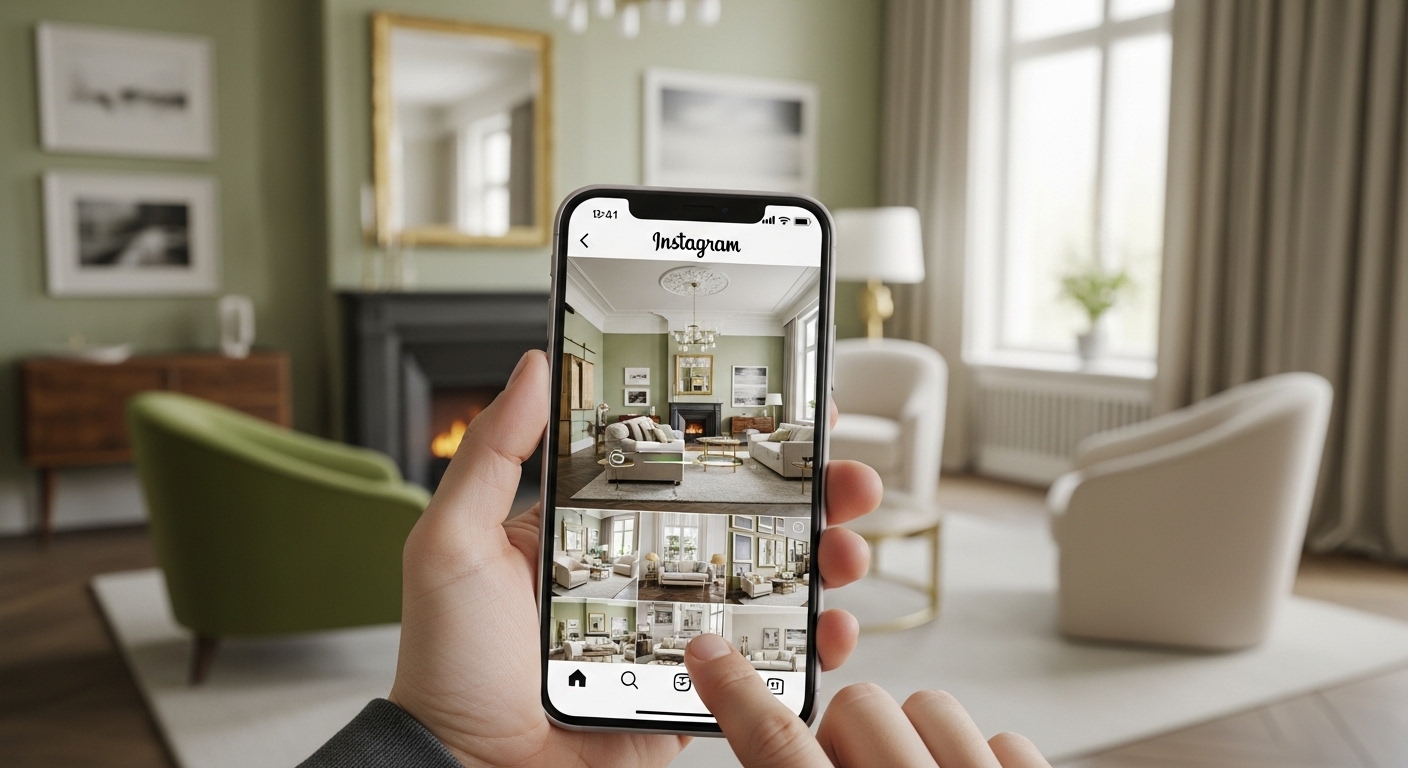
Social media platforms, particularly Instagram and Pinterest, have become indispensable marketing channels for interior designers. These visually driven platforms allow you to showcase your work, share inspiration, and connect with potential clients where they’re already seeking design ideas. However, success on social media requires strategy rather than simply posting sporadically.
Develop a content calendar that maintains consistent posting frequency whilst providing varied content. Share completed projects, behind-the-scenes glimpses of your design process, before-and-after transformations, styling tips, and insights into current design trends. Use high-quality images and write captions that provide value, whether through design education, storytelling, or inspiration. Engage authentically with your audience by responding to comments, asking questions, and participating in broader design conversations.
Hashtags extend your reach beyond existing followers. Research relevant hashtags within the interior design community and create a mix of popular and niche tags that align with your specific design focus. Don’t overlook the power of location-based hashtags, which can help you connect with potential clients in your geographical area.
Consider using Instagram Stories and Reels to share more informal, timely content that showcases your personality and daily work. These features often receive preferential treatment in platform algorithms, increasing your visibility. Meanwhile, Pinterest functions as a visual search engine where potential clients actively seek design inspiration, making it an excellent platform for driving traffic to your website.
- Build and Optimise Your Website
Your website serves as your digital headquarters, the place where interested prospects can learn about your services, explore your work, and ultimately contact you. It must be visually appealing, easy to navigate, and optimised for both desktop and mobile viewing. First impressions matter tremendously; visitors will form judgements about your design capabilities based on your website’s aesthetics and functionality within seconds.
Structure your website to guide visitors through a logical journey. Your homepage should immediately convey what you do and for whom, featuring striking imagery from your portfolio. Create dedicated pages for your services, portfolio, about section, and contact information. Include clear calls-to-action throughout, making it effortless for interested visitors to reach out.
Investing in search engine optimisation (SEO) services ensures your website appears when potential clients search for interior design services in your area. Research relevant keywords, such as “interior designer in [your city]” or “sustainable interior design services,” and incorporate them naturally into your website copy, page titles, and image descriptions. Regularly publish blog content addressing common client questions or showcasing design trends, which both provides value to visitors and improves your search engine rankings.
Ensure your website loads quickly, as slow-loading sites frustrate visitors and harm search rankings. Include testimonials and case studies that demonstrate your track record of client satisfaction. Make your contact information prominent and consider offering multiple ways to connect, such as contact forms, email addresses, and telephone numbers.
- Cultivate Client Relationships and Referrals
In the luxury interior design business, satisfied clients are your most valuable marketing asset. A single referral from a delighted client carries more weight than almost any other marketing effort because it comes with built-in trust. Cultivate exceptional client relationships by exceeding expectations, maintaining clear communication, and delivering projects that transform their spaces and lives.
Implement systems to stay connected with past clients even after project completion. Send periodic emails sharing design tips, seasonal styling suggestions, or updates about your business. Remember anniversaries of project completions or other meaningful milestones with personalised messages. This ongoing relationship keeps you top-of-mind when they need additional design services or when friends and family seek recommendations.
Don’t hesitate to directly request referrals from satisfied clients. Most people are happy to recommend excellent service providers but may not think to do so without a prompt. Consider implementing a referral programme that offers incentives, such as discounts on future services or complimentary design consultations, for clients who refer new business to you.
- Network Within Your Local Community
Despite the digital nature of modern marketing, traditional networking remains remarkably effective for interior designers. Establish relationships with complementary professionals, including estate agents, architects, builders, and home stagers. These connections can lead to mutually beneficial referrals when their clients need interior design services.
Participate in local home shows, design exhibitions, and community events where potential clients gather. Consider offering workshops or speaking at local organisations about design topics, positioning yourself as the local expert. Join professional associations and business networking groups to expand your connections and credibility.
Collaborate with local furniture retailers, art galleries, or home accessory shops. You might stage display rooms, offer design consultations to their customers, or co-host events. These partnerships expand your visibility to audiences already interested in improving their spaces.
- Showcase Your Expertise Through Content Marketing
Establishing yourself as a knowledgeable authority builds trust and attracts clients who value expertise. Create valuable content that educates and inspires your target audience. This might include blog articles addressing common design challenges, video tutorials demonstrating styling techniques, or guides to selecting materials and finishes.
Consider starting an email newsletter that provides exclusive design tips, project updates, and curated inspiration to subscribers. This direct communication channel keeps you connected with interested prospects and past clients whilst providing ongoing value that reinforces your expertise.
Guest posting on popular home and design blogs expands your reach to new audiences. Similarly, seeking features in local publications or design magazines increases credibility and visibility. Develop relationships with journalists and bloggers who cover home design topics, offering yourself as an expert source for articles they’re developing.
- Measure and Refine Your Marketing Efforts
Effective marketing requires ongoing assessment and adjustment. Track which strategies generate the most enquiries and highest-quality clients. Use website analytics to understand which pages visitors spend time on and where they come from. Monitor social media insights to identify which content resonates most with your audience.
Set specific, measurable marketing goals, such as increasing website traffic by a certain percentage, gaining a specific number of social media followers, or securing a target number of new client consultations each month. Regularly review your progress towards these goals and adjust your strategies accordingly.
Marketing an interior design business successfully requires patience and persistence. Results rarely appear overnight, but consistent, strategic efforts compound over time, building visibility, credibility, and ultimately, a robust client base.
- Conclusion
Marketing an interior design business effectively combines visual storytelling, strategic digital presence, relationship cultivation, and consistent effort. By developing a distinctive brand identity, showcasing your work through compelling portfolios and social media, optimising your website for both visitors and search engines, nurturing client relationships, and establishing yourself as a local expert, you create multiple pathways for potential clients to discover and choose your services. Remember that the most successful interior design businesses don’t simply wait for clients to find them; they proactively share their vision, demonstrate their value, and build meaningful connections with their target audience. With dedication to these marketing strategies, your interior design business can thrive in an increasingly competitive marketplace, attracting ideal clients who appreciate your unique talents and trust you to transform their spaces into beautiful, functional environments.