


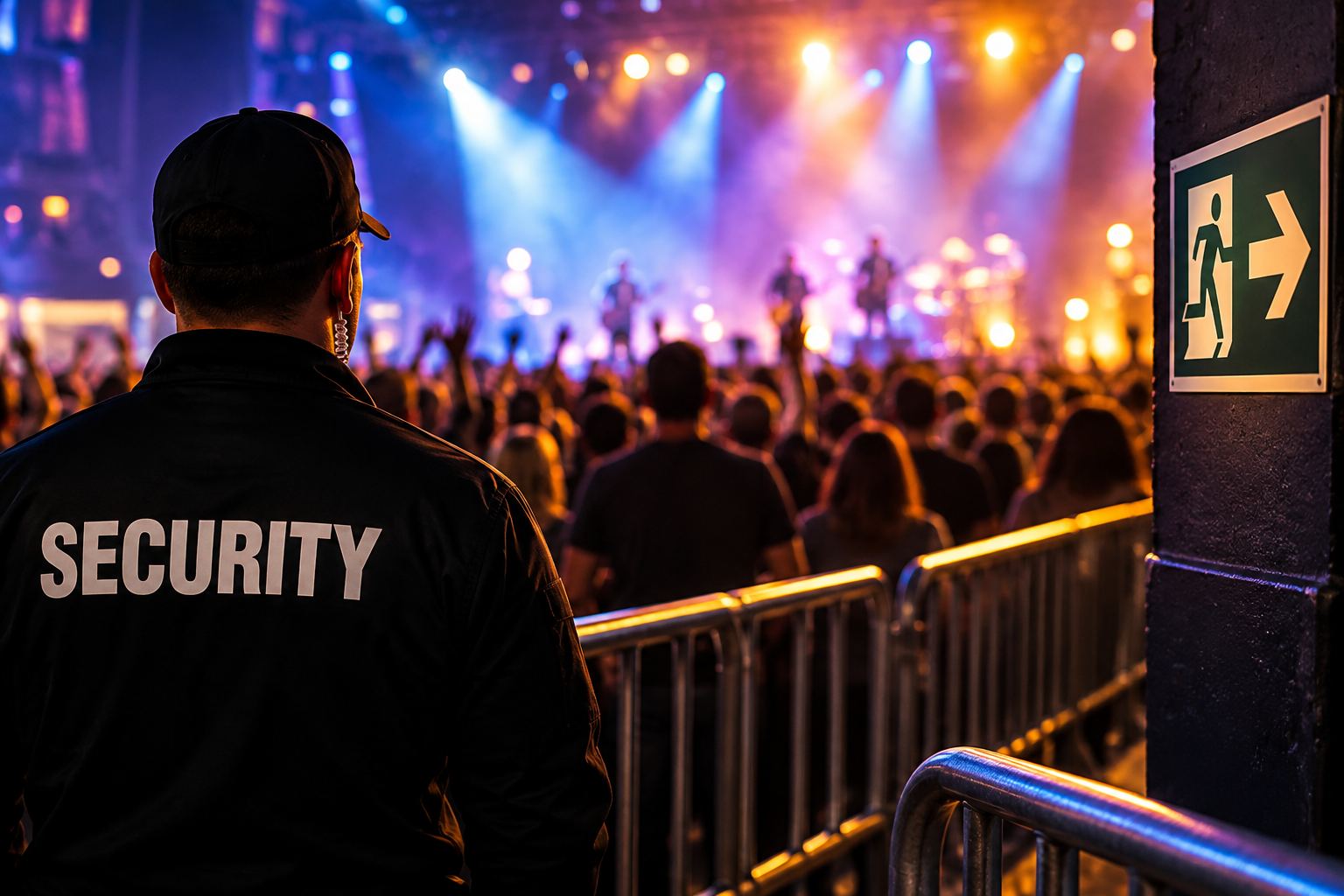
Going to a live concert should be about the music, the crowd, and having a night worth remembering. Unfortunately, packed venues, excited fans, and busy event spaces can also create opportunities for accidents. When preventable incidents happen, injury claims may become part of the aftermath for both concertgoers and venue operators. Good planning can reduce many of the risks without taking away from the energy that makes live shows exciting. A safer venue benefits everyone involved.
Crowds Need Room to Move
Everyone who has been to a popular concert is aware of how fast a crowd can become crowded. Individuals move towards the stage, push past each other and at times end up losing their balance. Those in charge of the venue must give careful consideration to the number of people the venue can hold and to how the crowd will move around the building. Narrow passages, blocked exits, and standing areas that are too crowded can turn what would otherwise be a manageable situation into one that is much more dangerous.
Staff ought to keep an eye on crowded areas throughout the event rather than supposing that the conditions will stay the same from start to finish, since a section which seems comfortable just before the head act begins can become very crowded a few minutes later.
Floors and Walkways Should Be Checked
A loose cable, wet floor, uneven surface, or misplaced piece of equipment can become a serious hazard when hundreds or thousands of people are walking around. Routine inspections can help identify problems before doors open. Staff should also monitor common areas during the event because spills and other hazards can appear at any time.
Warning signs can be useful when a hazard cannot be fixed immediately. However, simply placing a sign near a dangerous condition may not be enough in every situation. Address the hazard as quickly as reasonably possible.
Security Is About More Than Checking Bags
While security teams usually concentrate on forbidden items, their responsibilities can also include ensuring the general safety of the crowd. They might be the first to spot an argument, a medical emergency, dangerous behaviour, or sudden movement of the crowd. It is therefore necessary for staff to have clear guidelines regarding their actions in an emergency.
People should know whom to contact, where the emergency equipment is and how to get medical personnel to a specific area. It is also important to have a sufficient number of trained staff. For example, a big venue with only a small number of employees attempting to look after thousands of guests can encounter difficulties if more than one incident takes place.
Emergency Exits Must Stay Accessible
Only if people can actually get to it is an emergency exit of any use, and it should never be blocked by boxes, equipment, temporary barriers, or crowds so that guests can reach the designated exits. Facilities should regularly check their exit routes and ensure that the doors and pathways stay accessible throughout events.
Guests should be able to see the signs clearly and work out where to go. Emergency plans must not consist solely of written documents. Employees should know their responsibilities and know what to do if the venue has to be evacuated because of a fire, severe weather, a structural issue, or some other emergency.
Concertgoers Need Clear Information
It isn’t completely the responsibility of the venue to ensure safety since guests also need to be given reasonable information regarding the risks of attending an event. The venue should make sure that the rules on standing areas, restricted areas, the stairs, the consumption of alcohol, crowd behaviour, and prohibited activities are clearly communicated.
Simple directions can help to avoid confusion in case the venue gets crowded. When an event has special hazards, guests must have access to the relevant warnings. When
communication is clear, people are more able to make informed choices while in the venue.
Medical Response Should Be Ready
A medical emergency can happen even when everyone is following the rules. Someone may become dehydrated, faint in a crowd, suffer an allergic reaction, or sustain an injury during the show. Venues should have a plan for responding to these situations.
Depending on the size and nature of an event, that could include trained medical personnel, first aid equipment, and an established process for contacting emergency services. Response time matters. Staff should know how to describe their location inside the venue so medical personnel can reach an injured guest without unnecessary delays.
Lighting and Visibility Matter
Concert lighting is part of the atmosphere, but extremely dark areas can create practical safety problems. Guests still need to see stairs, walkways, exits, and other elevation changes. Venues can use appropriate lighting in high-traffic areas without interfering with the performance.
Stairways and aisles deserve particular attention because a small misstep can result in a serious fall. Position temporary equipment carefully. Cables, speakers, barriers, and other items should not create unnecessary obstacles for guests or employees.
Documentation Has a Purpose
When an accident occurs, documenting the incident can help the venue understand what happened. Reports should contain relevant details without relying on assumptions about who was at fault. Information such as the location, time, conditions, witnesses, staff response, and photographs can help preserve an accurate record.
Security footage may also become important depending on the incident. Good documentation can serve another purpose too. Reviewing previous incidents may reveal patterns that deserve attention, allowing a venue to address recurring hazards before another guest gets hurt.
Final Word
Live music venues cannot eliminate every possible accident, but thoughtful preparation can reduce many preventable risks. Crowd control, maintenance, emergency planning, staff training, and clear communication all play a role in keeping guests safer. When an accident does happen, injury claims may raise questions about what occurred and whether reasonable safety measures were in place. Taking safety seriously protects concertgoers while also helping venue operators build a more responsible, better-prepared business.