


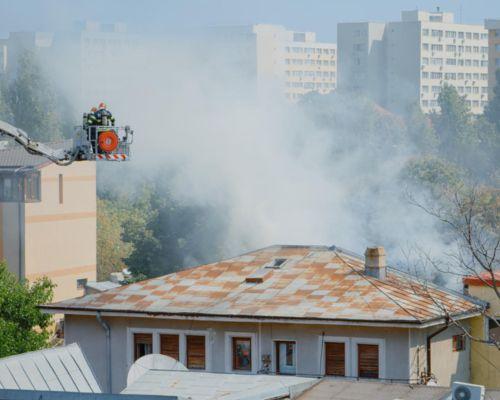
Residential fires, often unexpected, can pose significant risks to you and your loved ones. Understanding the leading causes of home fires is a crucial step towards safeguarding your home and ensuring the safety of everyone.
By identifying the common triggers of residential fires, you can take measures to mitigate them and protect your home. This article will explore the instances where residential fires may ensue, empowering you with the knowledge to prevent such incidents. Read on
Kitchen Fires
The kitchen is one of the most common areas where fires start in homes. Kitchen equipment, such as stoves and ovens, can ignite if left unattended. The information from the National Fire Protection Association (NFPA) indicates that cooking fires are the leading cause of home fires, accounting for almost half (49%) of all residential fires. Grease buildup, combustible materials near heat sources, and cooking distractions contribute to these incidents.
Heating Equipment Fires
Heating equipment, including space heaters, furnaces, and chimneys, can also pose fire risks if not properly maintained. The NFPA reports that heating equipment fires are the second leading cause of home fires, responsible for 14% of residential fires. Failure to clean chimneys, placing flammable objects too close to heaters, and using damaged or outdated equipment are common causes of these fires.
Electrical Fires
Faulty wiring, overloaded circuits, and malfunctioning appliances can lead to electrical fires in homes. According to NFPA data, electrical fires account for 9% of residential fires. Old wiring systems, DIY electrical work, and improper use of extension cords contribute to the risk of electrical fires. Regular inspection of electrical systems and avoiding overloaded outlets can help prevent these incidents.
Smoking-Related Fires
Careless smoking is a significant cause of home fires, accounting for 5% of residential fire deaths, as reported by the NFPA. Falling asleep while smoking, improperly disposing of cigarettes, and smoking near flammable materials increase the risk of fire. Smoking outside the home and using deep, sturdy ashtrays can reduce the likelihood of these incidents.
Candle Fires
While candles can generate a cozy ambiance, they pose fire hazards if left unattended. The NFPA states that candle fires account for 2% of home fires. Placing candles near curtains, bedding, or other flammable items can lead to ignition. Using flameless candles or keeping traditional candles in sturdy holders on flat surfaces can mitigate the risk.
Children Playing with Fire
Curiosity can lead children to experiment with fire, resulting in dangerous situations. According to NFPA data, children playing with fire is a factor in 7% of home fire deaths. Educating children about fire safety, keeping matches and lighters out of reach, and supervising them closely can prevent these incidents.
Careless Behavior with Matches or Lighters
Adults may also engage in risky behaviors with matches or lighters, leading to fires. Whether from arson or accidental ignition, careless use of ignition sources can have devastating consequences. Safely storing matches and lighters away from children and using them responsibly can prevent fire incidents.
Flammable Liquids and Gas Accidents
Mishandling flammable liquids or gases, such as gasoline or propane, can result in fires or explosions. Improper storage, usage, or disposal of these substances can lead to catastrophic incidents. Following safety guidelines for handling and storing flammable materials in well-ventilated areas can minimize the risk.
Christmas Tree Fires
If not correctly maintained, Christmas trees can become fire hazards during the holiday season. Dry trees, faulty lights, and overloaded electrical sockets can ignite, leading to rapidly spreading fires and keeping trees well-watered; inspecting lights for damage and turning them off when not in use can prevent these incidents.
Faulty Wiring and Electrical Malfunctions
Outdated or damaged wiring, as well as malfunctioning electrical appliances, pose significant fire risks. Over time, wiring can degrade, increasing the likelihood of electrical fires. Regular inspection by qualified electricians and promptly addressing any issues can prevent electrical malfunctions.
In conclusion, being aware of the leading causes of residential fires is not just crucial; it’s empowering. It equips you with the knowledge to protect your home and loved ones and to be prepared for any eventuality.