


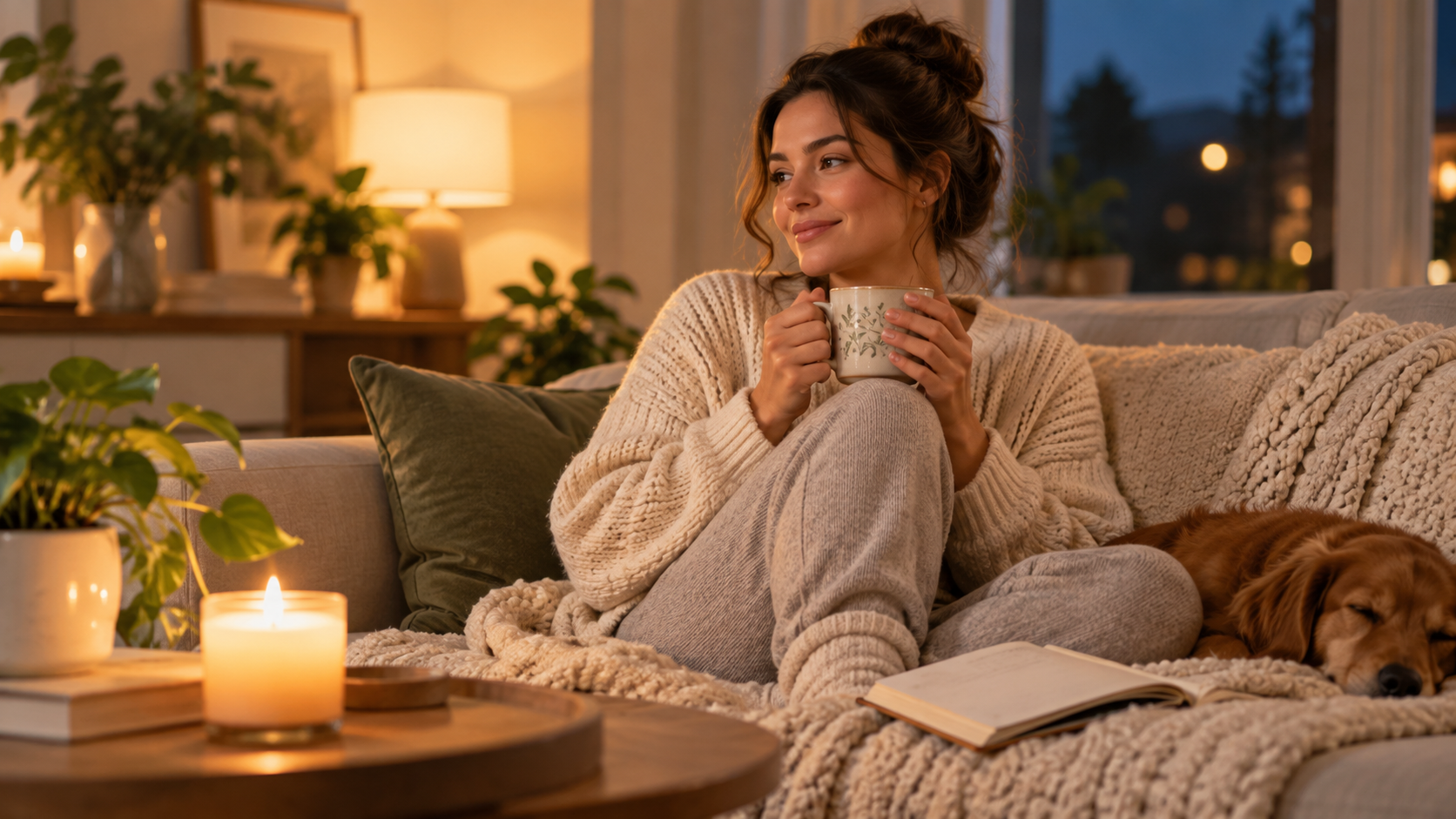
For many people, alcohol can become associated with relaxing after a long day, socialising with friends or switching off at the weekend. While an occasional drink may not be a concern for everyone, relying on alcohol to unwind can become an unhelpful habit over time. The good news is that there are plenty of other ways to relax that can support your physical and emotional wellbeing.
Whether you are cutting back, taking a break from alcohol or working towards recovery, finding enjoyable alternatives can make a real difference. Here are five simple tips to try.
1. Create a Calming Evening Routine
One of the reasons alcohol can become part of a daily routine is because it provides a clear signal that the working day is over. Replacing that ritual with something healthier can help you create a new association with relaxation.
Try changing into comfortable clothes, making a hot drink, taking a shower or bath, dimming the lights and putting your phone away for a while. You could also spend 20 minutes reading, listening to music or watching something you enjoy.
The key is consistency. A simple routine repeated regularly can gradually become something you look forward to.
2. Get Moving
Exercise may not sound like relaxation, but physical activity can be a useful way to release tension and improve your mood. You do not need to join a gym or take on an intense training programme.
A gentle walk after work, a cycle around the local area, some stretching or a beginner’s yoga session can all help you step away from stressful thoughts. Spending time outdoors can also provide a welcome change of scenery.
Choose activities you genuinely enjoy rather than treating exercise as another task on your to-do list.
3. Try Mindful Activities
Relaxation does not always mean doing nothing. Activities that encourage you to focus on the present moment can help quiet a busy mind.
Gardening, cooking, drawing, knitting, colouring, puzzles or playing an instrument are just a few possibilities. Even making a cup of tea and concentrating on the process can become a small mindful ritual.
Experiment with different activities until you discover what helps you feel calmer. There is no single right way to relax.
4. Connect With Other People
Alcohol can sometimes become closely linked with socialising, particularly if evenings out or meeting friends usually involve drinking. Building alcohol-free social habits can help you maintain those connections without relying on alcohol.
Invite a friend for coffee, go for a walk together, visit a museum, cook a meal or try a new class. If you are finding it difficult to change your drinking habits, talking honestly with someone you trust can also provide valuable support.
You do not have to manage everything on your own.
5. Make a Personal Relaxation List
When you are stressed or tired, it can be difficult to think of healthy alternatives in the moment. Creating a list of relaxing activities beforehand gives you something to turn to when you need it.
Write down five or ten options, ranging from five-minute activities to longer ways of unwinding. Your list might include taking a bath, phoning a friend, going for a walk, reading a chapter of a book or practising breathing exercises.
Over time, these alternatives can become familiar parts of your routine.
Building a Healthier Way to Unwind
Learning to relax without alcohol is not about finding one perfect replacement. It is about discovering a collection of habits that help you manage stress, enjoy your free time and look after yourself.
If you are concerned about your relationship with alcohol or find it difficult to cut down, consider speaking to your GP or getting appropriate alcohol withdrawal support. If you think you may be dependent on alcohol, seek medical advice before suddenly stopping, as withdrawal can sometimes be dangerous.
With patience and the right support, relaxation can become something that genuinely restores you, rather than something you need to drink to achieve.