


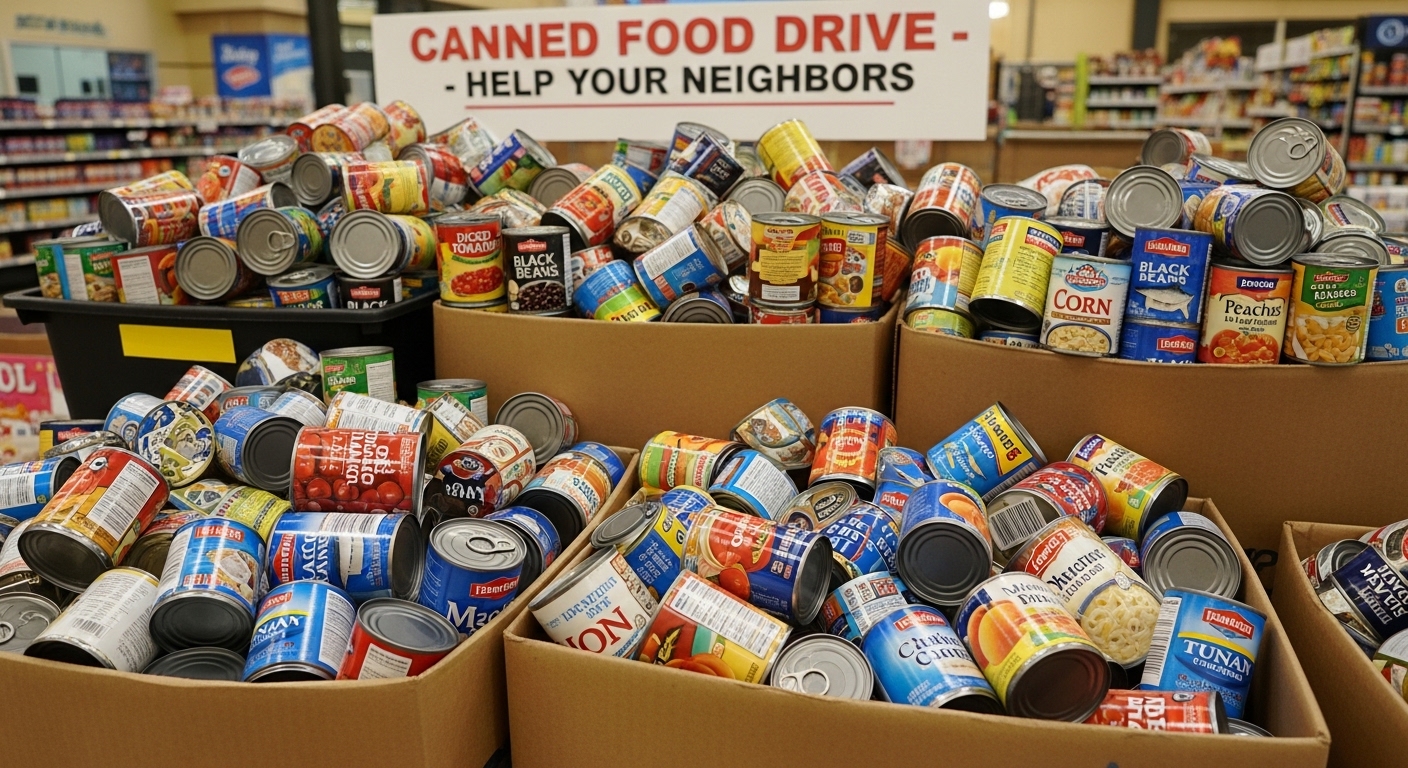
Donating food is an easy way to help people in need. It shows compassion and helps reduce food waste. Every day, good food gets thrown away while many people and families face hunger. If you want to make a difference, it’s important to know how to donate food safely and responsibly. This ensures your generosity has the biggest impact.
Choosing the Right Food
When you donate food, focus on quality. Choose non-perishable items like canned goods, pasta, rice, and grains. These foods last longer and can handle different storage conditions. Fresh produce is also a good option, but donate it promptly, as it spoils more quickly. Check for dented cans or damaged packaging. Ensuring the food is safe to eat is important for the health of those who receive it.
Many organizations accept various donations, so find out what local food banks or pantries need most. They may have specific items on their wish list to guide your donations. Staples like peanut butter, canned vegetables, or dry beans are always appreciated.
Food Bank Donation
Food banks play a crucial role in communities. They collect, sort, and distribute food to families facing food insecurity. Donating to food banks directly helps alleviate hunger in your area. They have processes in place to handle and distribute food safely, ensuring your donation reaches families in need.
Supporting a food bank connects you with those dedicated to making a difference. Many have programs that raise awareness about food insecurity, encouraging community involvement. When you give a food bank donation, you also help spread awareness about these important issues.
Consider donating regularly. Setting aside a specific day each month to gather items for donation can help you stay committed. Regular support makes a big difference over time.
Safe Handling Practices
Before donating, think about food safety to protect yourself and the recipients. Use ice packs to keep perishable items at the proper temperature during transport. If you donate cooked food, ensure it’s stored correctly and within the safe consumption period.
Most food banks and pantries provide guidelines on what types of food they accept and any specific storage needs. Following these guidelines ensures your donation is appreciated and safely handled.
If donating large quantities, check if the food bank has a formal process for large donations. They often have staff to assist, making the process smooth and safe.
Food Bank Volunteer
Volunteering at a food bank enhances your contribution and connects you to the community. Spending time sorting and packing food helps you understand the challenges people face. It is rewarding to know your efforts feed families. Plus, volunteering helps you meet others who care about the same issues.
Food banks need help in various areas, such as organizing food drives, distributing food, or fundraising. As a food bank volunteer, your time can make their operations more effective, allowing them to focus on fighting hunger. You may learn about food systems and better understand food insecurity in your community.
Connecting with others who share your values can build friendships and networks. Whether you volunteer alone or with friends and family, it can be a fun and fulfilling experience.
Connecting with Local Needs
To make your donations more effective, understand your local community’s needs. Local food banks often share their current needs on social media, websites, or newsletters. Check in with them to see what is needed right now.
If your workplace or school supports community involvement, think about organizing a food drive. This is a great way to encourage everyone to help and to bring your community together for a common goal.
Simple acts of kindness, like sharing food, create a ripple effect of generosity. These efforts help build stronger and more resilient communities. Whether you donate food or volunteer your time, every action matters in the fight against hunger.
Involving Children in Food Donations
Getting children involved in food donation activities helps them learn about compassion and responsibility. You can organize a family food drive where kids pick items to donate or help pack boxes for those in need. This experience shows them the importance of giving back and helps them understand food insecurity in their community.
You can also include educational activities, such as discussing how hunger affects families or watching documentaries about food waste and food banks. By fostering empathy and understanding, children are more likely to carry these values into adulthood, which promotes kindness and generosity.
Promoting Awareness in the Community
Raising awareness of food insecurity is essential to making lasting change in your community. Use social media to share information about local food banks, their needs, and the importance of food donations. Create posts that highlight food drives or campaigns to encourage others to get involved.
Organize community events, like workshops or discussions, to educate people about the challenges of hunger and food waste. Partnering with local businesses can also generate support, such as having a restaurant host a donation night where part of the proceeds goes to local food banks.