


Building your own kitchen cabinets is one of the most rewarding home improvement projects you can take on. It allows for complete customization, potential cost savings, and a deeper understanding of how your kitchen is constructed. At the same time, it’s a project that requires precision, planning, and a realistic understanding of your skill level.
Whether you’re starting from scratch or considering how cabinet building fits into a larger renovation, this guide walks you through the essential steps while helping you decide if DIY is the right path for your kitchen.
Planning Your Kitchen Cabinets Before You Build
Choosing Cabinet Layout and Design
Before you cut a single piece of wood, you need a clear plan. Decide whether you’re building base cabinets, wall cabinets, or both. Standard base cabinets are typically around 34.5 inches tall and 24 inches deep, while wall cabinets are shallower and mounted above countertops.
Your layout should support how you use your kitchen. Think about workflow, spacing between appliances, and how much storage you actually need. Poor planning at this stage can lead to costly mistakes later.
Selecting Materials
Material choice plays a major role in both durability and cost. Plywood is the most common option for cabinet boxes due to its strength and resistance to warping. MDF is more affordable and smooth for painted finishes but less durable in high-moisture areas. Solid wood is often used for doors and face frames.
Choosing the right material upfront helps ensure your cabinets hold up over time.
Tools and Materials You’ll Need
Building kitchen cabinets requires a mix of woodworking tools and basic hardware:
- Table saw or circular saw
- Drill and screws
- Wood glue
- Clamps
- Measuring tape and level
- Sandpaper or power sander
- Hinges, drawer slides, and cabinet hardware
Having accurate tools is just as important as having the right materials. Precision is critical in cabinet building.

Step 1: Build the Cabinet Boxes (Carcasses)
Cut Panels to Size
Start by cutting your panels for the cabinet sides, top, bottom, and shelves. Accuracy is essential here. Even small measurement errors can affect how everything fits together later.
Assemble the Frame
Use wood glue and screws to assemble the cabinet box. Clamp the pieces together and ensure everything is square before tightening. A properly aligned cabinet box is the foundation of a successful build.
Step 2: Install the Back Panel and Reinforcements
The back panel adds structural stability and helps keep the cabinet square. Secure it firmly, and consider adding support strips or braces where needed, especially for larger cabinets.
This step ensures your cabinets remain strong once installed and loaded with weight.
Step 3: Build and Attach Cabinet Face Frames
Face frames give cabinets a finished look and provide additional strength. These are typically made from solid wood and attached to the front of the cabinet box.
You’ll need to align them carefully to ensure doors and drawers fit properly. Some modern designs skip face frames altogether, but traditional cabinets benefit from the added structure.
Step 4: Construct and Install Doors and Drawers
Building Cabinet Doors
There are several styles to choose from, but shaker-style doors are among the most popular due to their clean, simple design. These consist of a frame with a recessed center panel.
Precision is key to ensuring doors hang evenly and close properly.
Installing Drawer Boxes and Slides
Drawer construction requires careful measurement to ensure smooth operation. Install drawer slides evenly on both sides and test alignment before finalizing.
Well-installed drawers should open and close effortlessly without sticking.
Step 5: Sanding, Priming, and Finishing
Once your cabinets are assembled, sanding is essential to create a smooth surface. After sanding, apply primer if you plan to paint, or prep the surface for staining if you prefer a natural wood finish.
Kitchens are high-traffic areas, so choosing a durable finish is important. Proper finishing not only improves appearance but also protects your cabinets from wear and moisture.
Step 6: Install Cabinets in Your Kitchen
Installing cabinets requires securing them to wall studs and ensuring they are level. Start with base cabinets, then move to wall cabinets.
Use a level throughout the process to maintain alignment. Improper installation can lead to uneven countertops and misaligned doors. Working with professional kitchen services like Kitchen Search can help you move from a DIY concept to a fully planned and executed kitchen remodel.

Common Mistakes to Avoid
Even experienced DIYers can run into issues. Some of the most common mistakes include:
- Inaccurate measurements leading to poor fit
- Using low-quality materials that don’t hold up over time
- Skipping reinforcement, resulting in weak cabinets
- Misaligned doors and drawers
Taking your time and double-checking each step helps prevent these problems.
DIY vs Professional Cabinets: What Should You Choose?
When DIY Makes Sense
Building your own cabinets can be a great option if:
- You have woodworking experience
- Your kitchen layout is straightforward
- You want a custom design and are willing to invest the time
When to Consider Professional Remodeling
Cabinet building becomes significantly more complex when you’re dealing with large kitchens, layout changes, or integrated upgrades involving plumbing and electrical work.
If your project grows beyond a simple build or you want a professionally designed space, exploring services like https://kitchensearch.com/kitchen-remodeling/newtown-pa can help you move from a DIY concept to a fully planned and executed kitchen remodel.
How Building Cabinets Fits Into a Full Kitchen Remodel
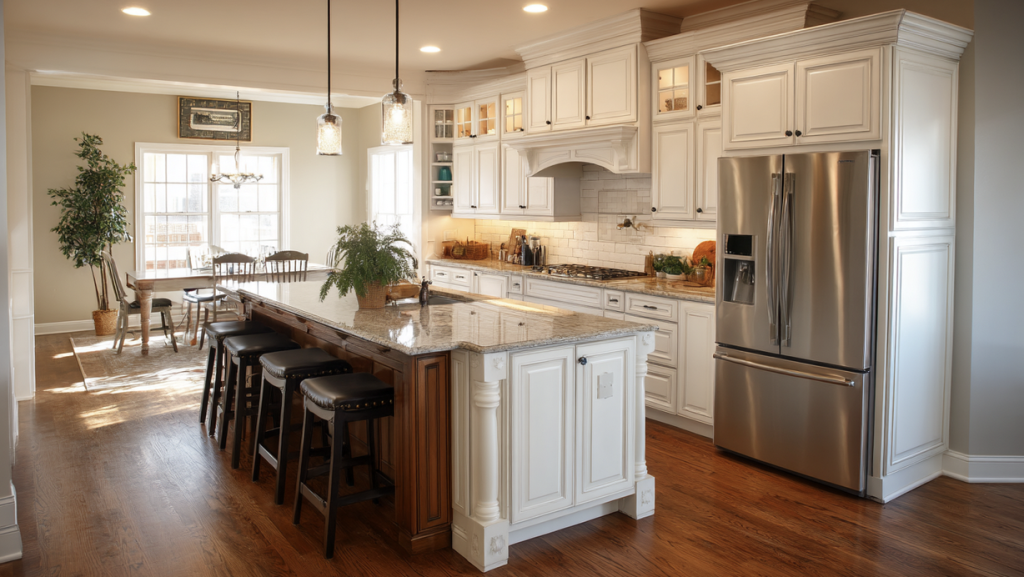
Cabinets are one of the most important elements in any kitchen. They define both the look and functionality of the space. When you build your own cabinets, you gain control over design, but you also take on the responsibility of ensuring everything works together.
In many cases, cabinet building leads homeowners to consider additional upgrades such as new countertops, appliances, or layout changes. Thinking about the entire kitchen as a system can help you make better long-term decisions.
Final Thoughts
Learning how to build kitchen cabinets gives you the opportunity to create a fully customized kitchen tailored to your needs. It’s a project that rewards patience, precision, and planning.
At the same time, it’s important to recognize the level of complexity involved. While DIY can be a great path for some, others may benefit from professional guidance, especially when the project expands beyond basic construction.
By understanding both the process and your goals, you can choose the approach that delivers the best result for your kitchen and your home.