


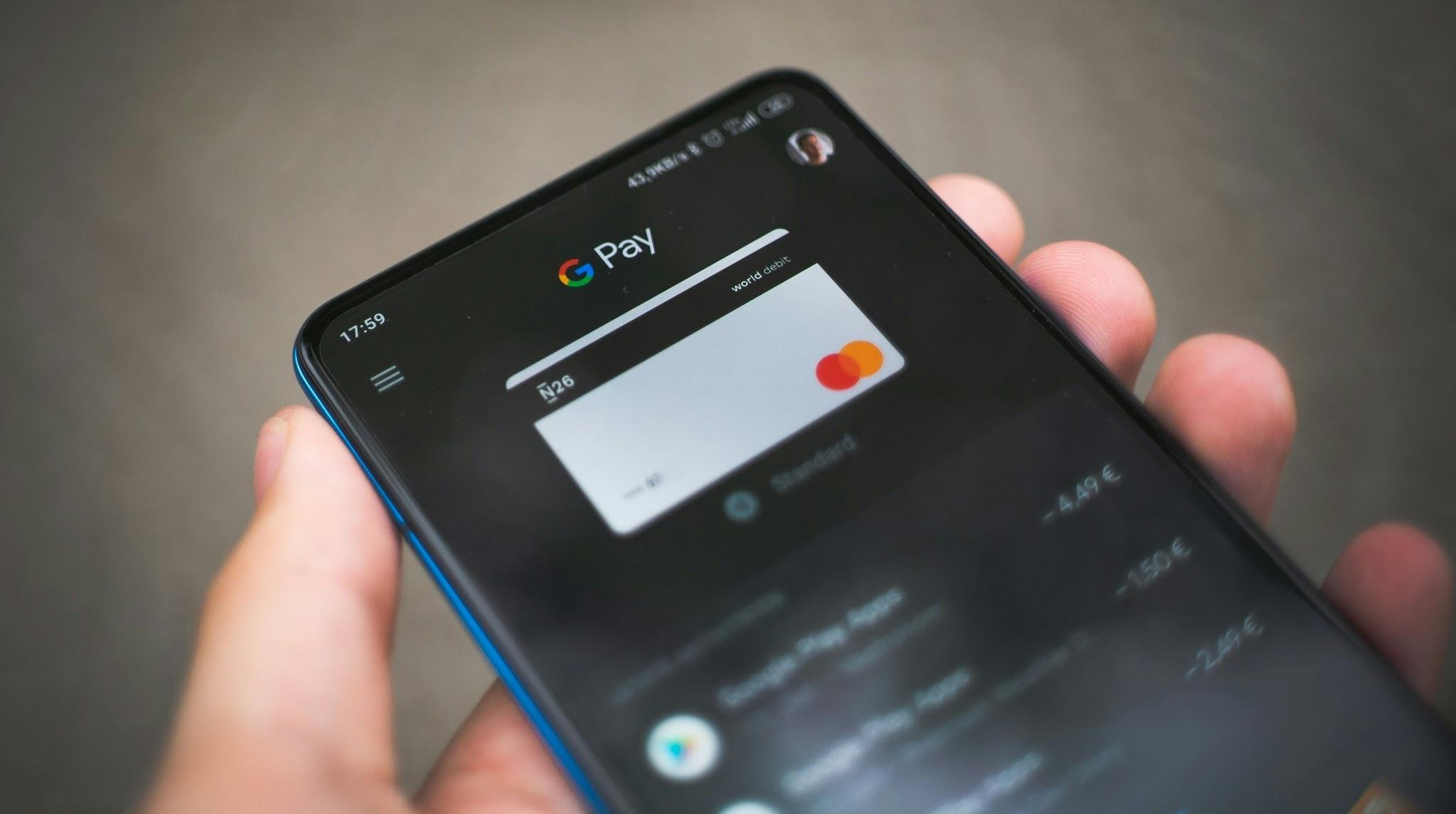
The truth about fast payment is that the money movement is, in fact, instantaneous. However, the surrounding factors, including the conditions and security levers behind these transactions, are what create delays.
We can track and identify this pattern in most of the popular fields that benefit from quick payments. That’s why online shopping thrives thanks to them, why fast withdrawal casinos have gained an upper edge in the ever-expanding gambling sector, and how businesses can secure their supply chains without having disruptions.
But how do these fast payments work, and why is there so much emphasis on them? In this article, we will explore the factors that stand behind the entire mechanism, and why this faster system is worth going for as a client of any service.
Real-time transactions moved away from batches
This distinction is trackable and simple: payments used to be in batches that the processor handled once or twice each day. A transaction needed to be part of a daily log that the bank, for example, would process at set times.
That’s also why working/business days were the only ones when a payment would go through, since these were the period during which a bank would handle the transaction. If a transaction was made late during the day, then it needed to wait until the subsequent batch delivery.
Banks now have their automated networks that process transactions immediately, doing so permanently and independent of time of day or week. When the payment enters the banking portal, data travels on the network right away, making payments almost instant.
However, this new approach also depends on the country. While Europe’s SEPA Instant system and the UK’s Faster Payments have been around for quite a few years, the USA was one of the latest implementers, with its FedNow service arriving in 2023.
Verification is the real delay, and this process has gotten faster
While the payment system itself may be able to process these transactions instantly, the verification process is far from a guarantee of quickness. In fact, it’s usually the main hurdle that delays payments.
The requirement to have a verified account on a platform is what slows down the first transaction in the log.
From that point, these checks aren’t generally needed. The main exceptions are outlier happenings, such as a massively bigger transaction amount, or new logging data, such as a different device or country, which tend to trigger manual reviews. Such procedures require input that can be outside of working hours for the evaluation staff.
As such, the best way to handle verification is to do it before any payment, especially if you are on the receiving end of the transaction. It usually includes the following:
- A simple identity check that confirms who you are, with the required data being your name, birthday, and address.
- The ownership of your card by inputting its details (outside the security ones), essentially confirming that it’s in your name.
- Anti-fraud and anti-money laundering verifications aim to verify where the money comes from.
The role of open banking and instant payments
Instant payment schemes are what drive the movement to be so fast at any time of the day. Open banking, on the other hand, works with permissions, which means that the service can link to your bank account, confirm its data, and match these details to essentially boost the speed of these transactions.
What these systems achieve is that they mitigate delay factors. The open banking part is what allows the verification to be so easy to complete, whereas the instant payment system is a matter of guaranteeing that the money moves quickly once it clears the identity guardrails.
As for the reason why it exists, the reason is simple: regulations. Both the UK and the EU have established programs that require banks to open up account data, but only if the customer consents.
Cards, e-wallets, and bank transfers: the comparison tells the story
A banking card is, in theory, the slowest since it can take at least a business day. This is because the old infrastructure for card payments was for taking, not sending money, which makes them among the highest needs to modernize.
With bank transfers between accounts, the quickness depends on the availability of the instant scheme. If there isn’t one, transactions are significantly slower, especially when the payment request is outside working hours.
E-wallets are inherently faster since it’s just a balance update. The lack of bank involvement for depositing makes it, albeit withdrawing from the wallet adds a 3rd party, which can create the delay.
There’s also the currency aspect that binds them all. If there’s a conversion that needs to wait on official exchange rates for that specific day, there can be a slowdown because of this particular detail.
Conditions behind a truly instantaneous transaction
Let’s list all the conditions that we’ve discussed so far and explain why each has an implication that can work in practice:
- The first payment delay is a reality that, once you get over this step, it will lead to faster transactions down the line.
- Account verification means that the checks for your payment method and identity must be in place and complete.
- Specific limitations on the amount moved generally mean that large sums require manual reviews, adding a bit more time to the entire process.
- The same-method rule translates into the requirement that payments go through the same avenue. If you used one to deposit, any money that comes back to you must go through the same payment method.
- Holds and flaggings mean that there is reason for the payment processor to withhold the amount until it completes the necessary due diligence that confirms your transactions are legitimate.
- The applicable fees may be a requirement for you to use the instant payment system as an alternative to a free but slower one.
A checklist for ensuring that your payments aren’t slow
We’ll make this part simple as well. The following set of questions is the checklist that you should consult if you encounter an issue with your payment, in the sense that it takes too long, especially compared to the advertised speed.

- Did I finish verification? The process has a start (when you start uploading the documents/pictures through a secure channel within the platform) and ends when the vendor confirms your details. If the final part isn’t complete, your verification isn’t.
- Is this my first payout? If yes, then it’s normal to be slower, so everything should be fine.
- Did I request my payment on a Friday, weekend, or holiday? It may be that your transaction requires human review, so a check outside business hours causes a delay.
- Did I pick a card? If you did, then waiting for a full working day for the transaction to go through is a reasonable expectation.
- Is the amount unusually large based on my history? If it is, then you’d likely need to wait for that manual, human review that may be outside of business hours.
- Has anything changed on my account? If there was a change between your last transaction and the request for this new payment, it raised a flag, which created an artificial delay.
- Does my bank support instant payment? If the vendor does, it’s not a guarantee that your bank supports them. Check if it does.
- Is a currency conversion part of the transactional process? If there is such a step, then a delay is perfectly normal.
Conclusion
To wrap this article up, you should remember that the delay that can slow down instant payments isn’t the money transaction itself, but the entire system that decides whether this money movement is safe.
This is because the truth behind instant transactions is that they are truly that fast only if the bank and vendor know who you are. As such, verify your identity beforehand and remember to use your money responsibly!