


[NoHo Arts District, CA] – This month’s LA Art blog features Hospital of Emotions, an immersive Los Angeles exhibition where more than 70 artists transform a former hospital into an unforgettable journey through human emotion.
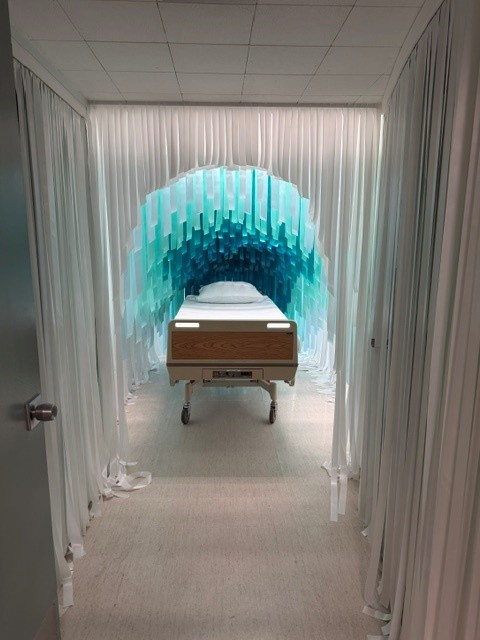
Los Angeles has never shied away from immersive art. From mirrored dreamscapes to digital projections and experiential installations, the city has become a proving ground for exhibitions designed as much for feeling as for viewing. But Hospital of Emotions may be the first exhibition to ask visitors to check in as patients rather than patrons.
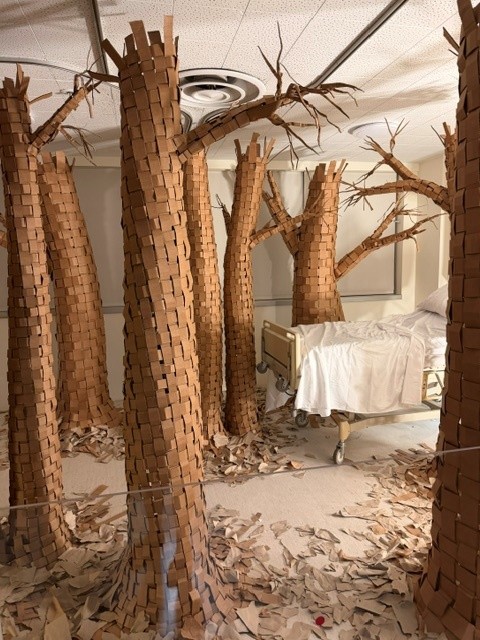
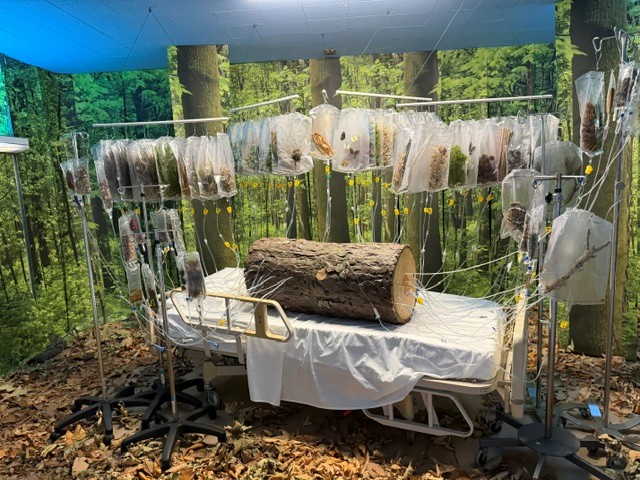
Inside Hospital of Emotions
Housed inside a decommissioned wing of the former St. Vincent Behavioral Health campus near Downtown Los Angeles, the temporary exhibition transforms more than 80 former hospital rooms into deeply personal artistic experiences. More than 70 artists have taken over four floors of clinical corridors, operating rooms, patient suites, and waiting areas, creating an emotional landscape that is equal parts gallery, theater, and psychological journey. The exhibition runs through July 31, making it one of the city’s most compelling limited-time cultural experiences.

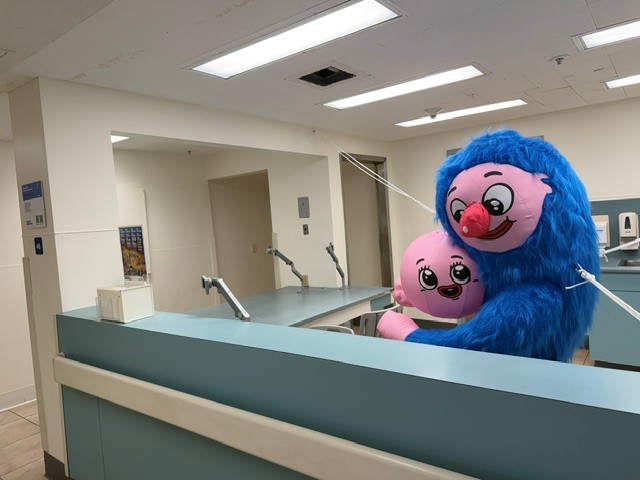
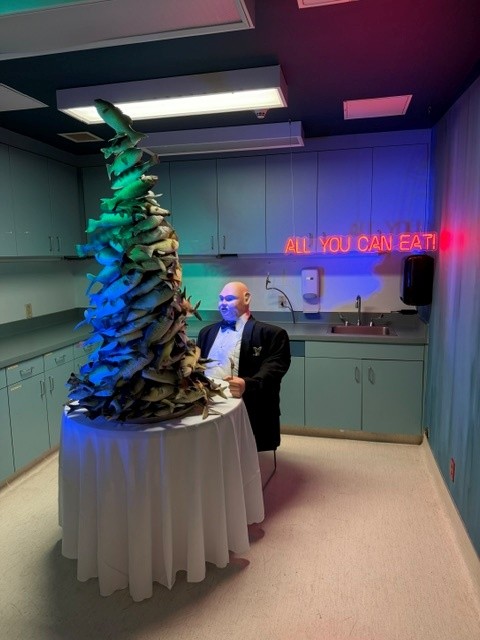
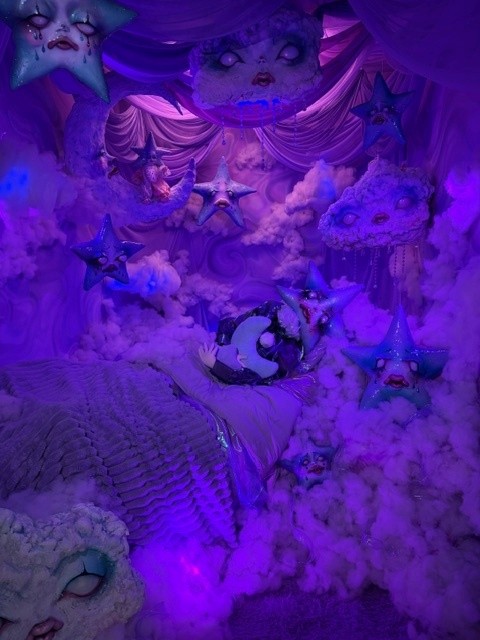
Rather than organizing artwork by medium or artist, Hospital of Emotions is arranged by feeling. Visitors move through “departments” devoted to emotions such as joy, fear, grief, hope, resilience, anger, love, and compassion. It’s a concept that feels almost startlingly intuitive. After all, hospitals are places where people experience some of life’s highest highs and lowest lows – births, recoveries, devastating diagnoses, uncertainty, relief, and loss. Here, those emotional touchstones become the exhibition’s architecture.
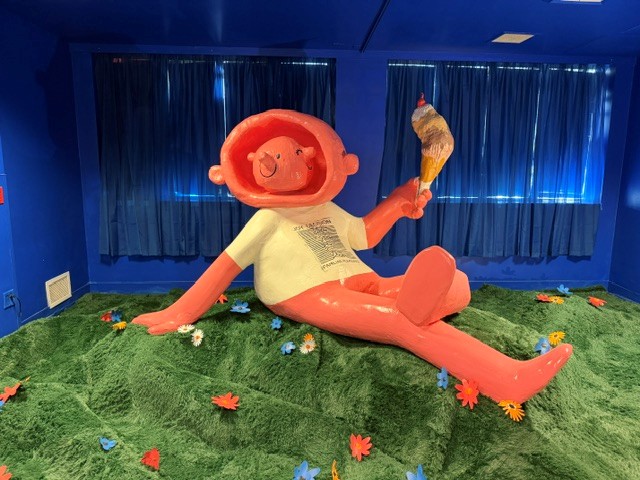
The building itself is one of the show’s greatest collaborators.
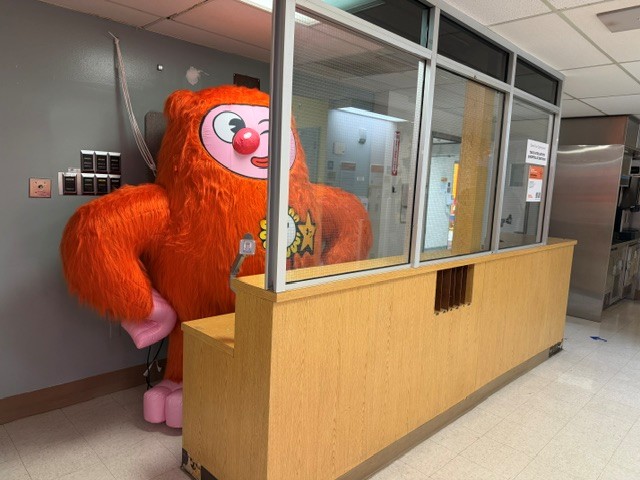
Unlike a pristine white-box gallery, every hallway carries traces of its former life. Patient rooms become intimate canvases. Nurses’ stations frame conversations about healing. Operating rooms are transformed into surreal environments that challenge the viewer to reconsider what it means to be vulnerable. The remnants of medicine remain just visible enough to create tension between clinical reality and artistic imagination.


Where Art and Emotion Meet
That tension is exactly what gives the exhibition its power.
Each room belongs to a different artist, meaning no two experiences feel remotely alike. One doorway may open into a riot of color and humor, while the next plunges visitors into darkness and introspection. Some installations encourage participation; others ask only for quiet observation. The exhibition refuses a singular narrative, instead acknowledging that emotions are rarely experienced in isolation. Hope often exists alongside fear. Joy can coexist with grief. Healing is seldom linear.
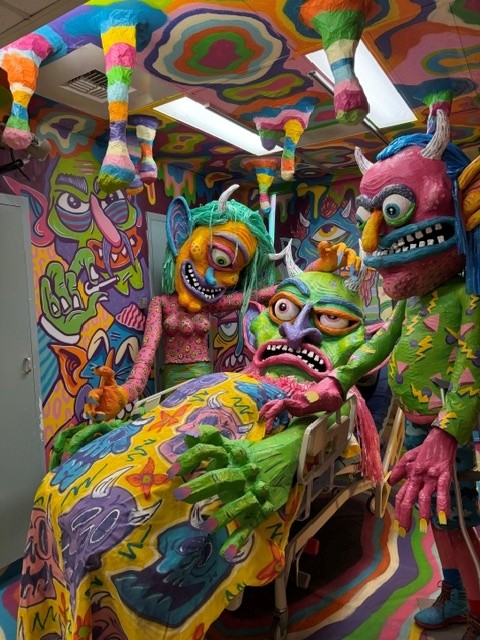
This decentralized approach also means visitors become editors of their own experience. There is no prescribed route through emotional recovery, only invitations to pause, reflect, and continue.
Perhaps most striking is how accessible contemporary art becomes in this setting.
Museum-goers sometimes feel pressure to “understand” conceptual art before they can appreciate it. Hospital of Emotions bypasses that anxiety almost immediately. The exhibition asks a much simpler question: “How does this make you feel?”
It’s an approach that democratizes the viewing experience. Personal interpretation isn’t merely welcomed – it is the point.
The timing feels particularly resonant. After years marked by collective uncertainty, conversations surrounding mental health have become increasingly visible, and artists have responded with work that embraces emotional honesty rather than aesthetic distance. While Hospital of Emotions is not a mental health exhibit nor a therapeutic program, it reflects a broader cultural shift toward acknowledging emotion as worthy artistic subject matter rather than something to be hidden beneath technical perfection.
The Lasting Impact of Hospital of Emotions
For photographers and social media enthusiasts, there is no shortage of visually arresting moments. Many rooms feature floor-to-ceiling transformations that invite lingering – and cameras. Yet unlike some “Instagram museums,” the spectacle rarely feels superficial. The visual impact serves the emotional narrative instead of replacing it.


Visitors leave with photographs, certainly.
More importantly, many leave carrying conversations.
The exhibition reminds us that art is not always about providing answers. Sometimes its greatest gift is giving shape to feelings that resist language.
In a city filled with entertainment, Hospital of Emotions offers something quieter and arguably more lasting: permission to feel.
Whether you’re an avid gallery-goer, an architecture enthusiast, or simply someone looking for an experience unlike anything else in Los Angeles this summer, this pop-up is worth the visit – not because it promises healing, but because it acknowledges that every emotion deserves a room of its own.