


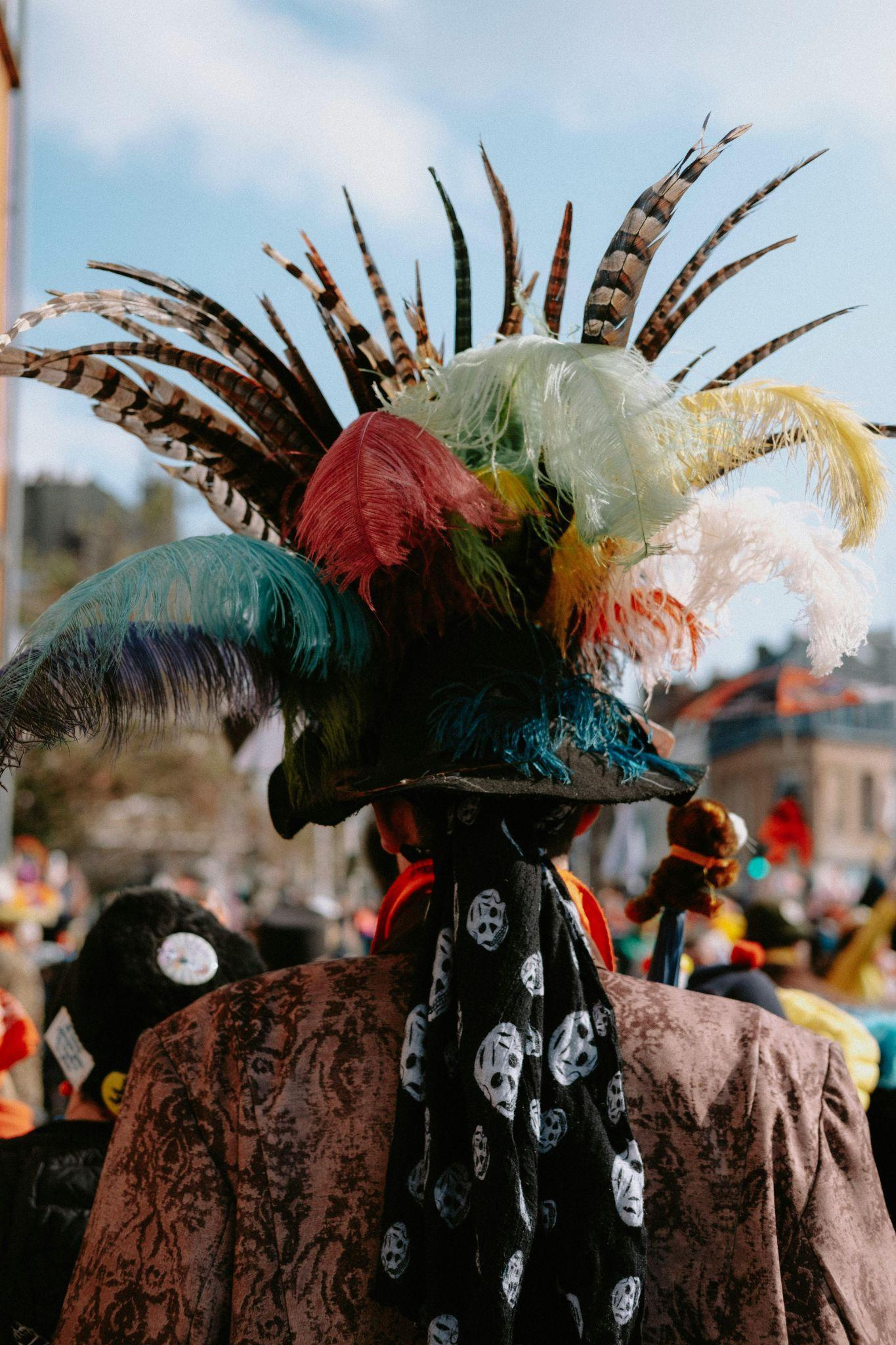
Every August, Edinburgh Festival Fringe takes over the city. Streets turn into stages. Cafés become late-night venues. Conversations about shows spill into queues and pavements.
If you are planning to attend in 2026, a little preparation goes a long way. The Fringe is exciting, but it can also feel overwhelming. Thousands of shows. Limited time. Constant choices.
That’s part of the experience.
What makes the Fringe different
The Fringe does not work like a typical curated festival. Anyone can register a show. That means big-name comedians perform alongside first-time artists. A polished theatre production might run next door to a last-minute improv set.
According to the Edinburgh Festival Fringe Society, recent editions have crossed 3,000 shows across hundreds of venues. No single visitor sees even a fraction of it.
You build your own version of the festival.
And it changes every day.
When to book, and when to leave space
Some visitors plan everything weeks in advance. Others arrive with no schedule at all.
Both approaches work. But a mix tends to work better.
If you’re set on seeing popular names or award-winning productions, booking early helps. Tickets for headline acts often sell out before the festival even begins.
But not everything should be locked in.
The Fringe is known for unexpected finds. A show you’ve never heard of can end up being the highlight of your trip. Many seasoned visitors leave gaps in their day for exactly that reason.
Flyers matter here. So do recommendations from strangers in line.
Picking shows without overloading your schedule
It’s tempting to pack five or six shows into a single day. On paper, it looks efficient. In reality, it gets tiring quickly.
A better rhythm:
- Two to three shows a day
- Time between venues
- Space to eat, walk, and pause
Venues are spread across the city. Even a short distance on the map can take longer during peak hours. Add queues, delays, and last-minute changes, and your schedule needs breathing room.
Also, some of the best Fringe moments happen outside ticketed shows. Street performances. Pop-up acts. Conversations you didn’t plan.
Leave room for those.
Understanding venues and locations
Not all venues are the same.
Some are established theatre spaces. Others are temporary setups above pubs, inside halls, or even in converted containers. That variety is part of the charm, but it also means conditions vary.
You might sit in a proper theatre for one hour and a compact room with folding chairs the next.
Key areas to know:
- Royal Mile – busy, crowded, full of street performances
- Pleasance Courtyard – one of the largest venue hubs
- Underbelly Cowgate – popular for comedy and theatre
Moving between venues takes time. Plan accordingly.
Budgeting for the Fringe
Costs add up faster than expected.
Ticket prices vary widely. Some shows are free with a suggested donation. Others charge premium rates. Accommodation during August is often the biggest expense.
Food and transport add another layer.
That said, there are ways to manage costs:
- Look for preview shows in the early days
- Check for two-for-one ticket deals
- Explore free or pay-what-you-want performances
A flexible plan helps here too.
Accommodation: book earlier than you think
Accommodation fills up months in advance.
If you plan to stay in Edinburgh during the festival, early booking is almost essential. Prices rise quickly as August approaches.
Some visitors choose to stay slightly outside the city and commute in. This can save money, but it adds travel time.
Central stays offer convenience. Outer areas offer breathing room.
Pick based on your priorities.
Getting around during the festival
Walking is often the easiest option.
Public transport is available, but crowds can slow everything down. Taxis take longer during peak hours. Streets near major venues stay busy throughout the day.
Comfortable shoes help. A lot.
And expect delays. They are part of the experience.
Turning post-show downtime into a relaxed night in
After a full day of shows, many visitors head back to their accommodation rather than staying out late. That quieter part of the evening often ends up feeling just as familiar as the rush between venues: a playlist in the background, something easy to eat, and whatever low-key entertainment fits the mood. For some, that extends to checking the welcome bonus Lucky Circus before the night winds down, and attention turns back to the next day’s programme.
Food, breaks, and pacing your day
Food is easy to find but not always quick.
Popular spots get crowded, especially during lunch and dinner hours. Grabbing something between shows works better than planning long sit-down meals every time.
Carry small essentials. Water helps. So does a quick snack between venues.
Short breaks matter more than you think.
What first-time visitors often miss
Many first-time visitors expect a structured festival.
The Fringe is not that.
Shows can run late. Venues can change. Performers adapt material during the festival. Reviews shift attention from one show to another almost overnight.
Flexibility matters.
So does curiosity.
And sometimes, the best plan is no plan at all.
How to perceive with the right mindset
The Fringe does not ask you to see everything. It asks you to explore.
Some shows will be exactly what you expected. Others will surprise you. A few might not land at all.
That’s fine.
What matters is the experience of moving through the city, choosing moments as they come, and letting the festival unfold in its own way.
If you approach it with that mindset, booking becomes less about getting everything right and more about making space for what happens next.