


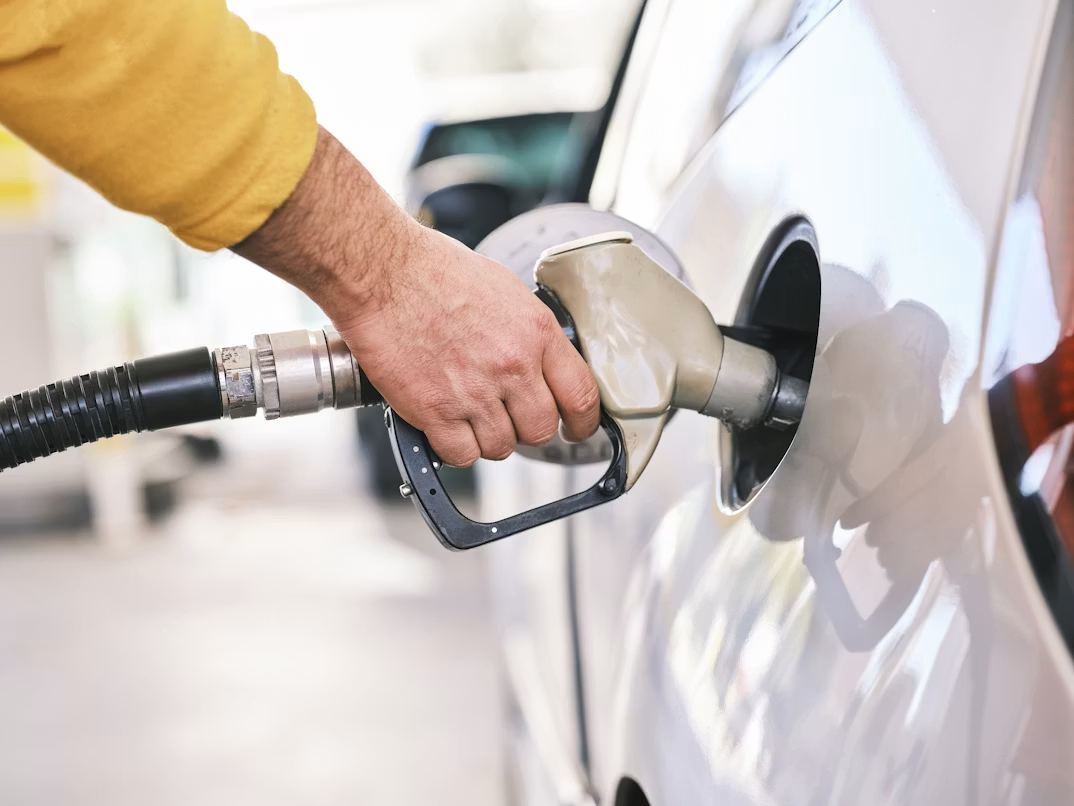
A touring schedule leaves little room for mechanical surprises. Load-in times are fixed, venues are booked months out, and a van sidelined in a rural service bay can cost a band more than the repair itself. Diesel vans and trucks remain the default choice for touring acts because they pull heavy loads well and deliver strong mileage on long hauls, but they also have maintenance requirements that differ from those of gasoline vehicles.
Higher compression ratios, emissions hardware, and heavier curb weights all change what needs attention before a run of dates, and the specialist nature of the work means some faults, a failing engine control module, for instance, end up with rebuild services such as Cummins repair from Diesel ECM Exchange rather than a general shop. The following checks cover the systems most likely to interrupt a tour, and most can be completed in an afternoon before the first show.
Servicing the Engine Before Departure
Higher compression ratios in diesel engines increase the demands placed on both the oil and the filtration system. Use the oil weight listed in the owner’s manual rather than a general-purpose substitute, and change it before a tour rather than midway through, when the mileage interval is likely to fall on a travel day.
Fuel injectors deserve a professional inspection if the van has passed 100,000 miles or has shown rough idling, hesitation under load, or a drop in fuel economy. Injector problems tend to worsen gradually, so a pre-tour diagnostic is more useful than waiting for a warning light.
Managing Fuel Quality Across Regions
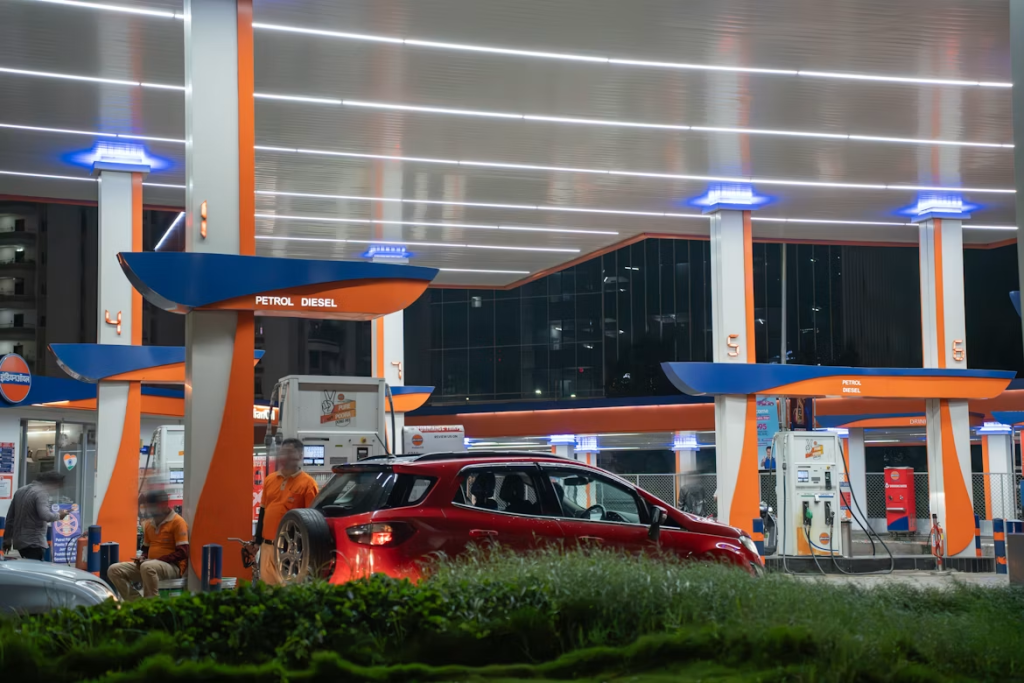
Diesel quality varies across suppliers and regions, and a van traveling across several states will encounter a wide range of quality. Replace the fuel filter if it is near the end of its service interval, and carry a spare along with the tools to change it.
Check the water separator and drain it if there is any accumulation, since water in the fuel system can damage injectors and the high-pressure pump. Fueling at high-volume truck stops generally reduces the risk of contaminated or stale fuel, particularly on routes through sparsely populated areas.
Monitoring DEF Levels Between Dates
Most diesel vehicles built in the last decade use diesel exhaust fluid to reduce nitrogen oxide emissions through a selective catalytic reduction system. The fluid is consumed continuously, and control units will limit engine speed or prevent starting when the reservoir runs low.
Check the level before departure and again roughly every thousand miles. Carrying a sealed spare container is worthwhile on routes where retail availability is limited, and it removes the risk of a derate happening between cities.
Maintaining the Cooling System Under Load
Diesel engines produce more heat than gasoline engines, and a fully loaded van with gear, merchandise, and passengers makes that worse. Inspect coolant hoses for cracks, soft spots, and swelling near the clamps.
Confirm the coolant level and concentration, and clear debris from the radiator and condenser fins. Use only the coolant specified by the manufacturer, and avoid mixing formulations, as combining incompatible types can reduce corrosion protection and lead to deposits in the system.
Inspecting Tires and Brakes for Added Weight
A touring van rarely travels empty, and the extra load accelerates tire and brake wear. Check pressures against the placard rating for a loaded vehicle rather than the unloaded figure, and measure tread depth across the full width of each tire to identify alignment or suspension issues.
Keep tire sizes and specifications consistent across all positions, since mismatched tires can affect antilock braking behavior and speedometer accuracy. Inspect brake pad thickness and rotor condition, and confirm the brake fluid is clean and at the correct level.
Preparing for Climate Changes Along the Route
Tours often move between climate zones within a few days. Diesel fuel can gel in low temperatures, so add an anti-gel treatment before entering cold regions and keep the tank at least half full to limit condensation.
In hot conditions, watch coolant temperature more closely on long grades and reduce load on the engine where possible. Diesel engines also draw more current at startup, so have the battery tested before departure, clean any corrosion from the terminals, and keep a portable jump starter in the vehicle.
On A Final Note
Most tour-ending breakdowns trace back to systems that could have been checked in advance: fuel filtration, DEF supply, cooling capacity, tires, and the battery. Working through these items before the first date and repeating the quick checks at regular mileage intervals keep the schedule intact and the repair costs predictable.