


According to the American Dental Association’s 2024 clinical guidelines, dental implant success rates exceed 95% when patients follow proper aftercare protocols — yet nearly 30% of implant recipients admit they received minimal guidance on post-surgical care beyond the first week. As implant technology advances and procedures become more accessible, the gap between surgical excellence and patient education continues to widen, leaving many people unsure how to protect their investment.
The stakes couldn’t be higher. A single dental implant can cost between $3,000 and $6,000, and the biological process that determines success or failure happens largely in the first three months after placement. During this critical window, your daily choices about oral hygiene, diet, and lifestyle directly influence whether the implant integrates successfully with your jawbone or becomes a costly failure requiring removal and replacement.
What many patients don’t realize is that caring for dental implants involves understanding both immediate post-surgical needs and long-term maintenance strategies that differ significantly from natural tooth care. The process requires navigating everything from specialized cleaning techniques to recognizing early warning signs of complications — knowledge that can mean the difference between decades of reliable function and premature implant loss.
How Dental Implants Heal and Integrate with Your Bone
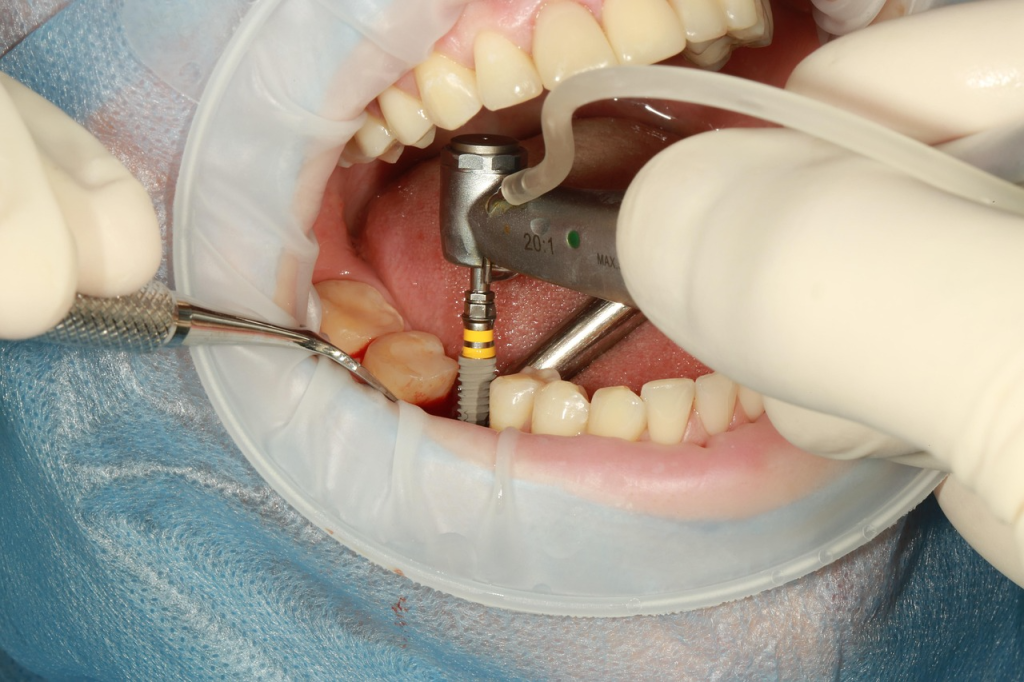
The success of your dental implant depends on a remarkable biological process called osseointegration — literally meaning “bone integration” — where your jawbone grows around and fuses with the titanium implant post. This process unfolds in three distinct phases over approximately three to six months, and understanding each phase helps explain why specific aftercare steps matter at different times.
During the initial inflammatory phase (first 1-2 weeks), your body treats the implant as a foreign object and begins forming a blood clot around the surgical site. This clot contains the cellular foundation for new bone growth, which is why protecting it from disruption through gentle oral hygiene and avoiding certain foods becomes critical. Any significant disturbance during this phase can delay healing or prevent proper integration entirely.
The proliferative phase (weeks 2-8) sees your body beginning to build new bone tissue around the implant threads. Specialized cells called osteoblasts start depositing calcium and phosphate minerals directly onto the titanium surface, creating the mechanical bond that will eventually support chewing forces. During this phase, the implant remains vulnerable to excessive pressure or movement, making it essential to avoid hard foods and resist the temptation to test the implant’s stability.
The final maturation phase (months 2-6) involves the newly formed bone strengthening and remodeling itself around the implant. This is when your implant transitions from being a healing surgical site to functioning like a natural tooth root. However, even after osseointegration appears complete, the surrounding tissues continue adapting for up to a year, influencing both your oral hygiene approach and the types of restorative work your dentist can safely attach.
Understanding this timeline explains why your aftercare instructions change as healing progresses — what protects the implant during early integration may actually hinder proper function later in the process.
What Immediate Care Steps Are Critical After Surgery
The first 72 hours after implant placement set the tone for your entire healing process, requiring a delicate balance between keeping the surgical site clean and avoiding disruption of the forming blood clot. Most complications that lead to implant failure can be traced back to problems during this critical window, making your immediate actions more important than any long-term care routine.
Swelling and pain management becomes your first priority, as excessive inflammation can interfere with proper healing. Apply ice packs to the outside of your face for 15-20 minutes at a time during the first 24 hours, then switch to moist heat if swelling persists beyond day two. The prescribed pain medication serves a dual purpose — controlling discomfort while reducing inflammatory chemicals that can impair bone formation around your implant.
Your surgeon likely provided specific instructions about when to begin gentle rinsing with salt water or prescribed mouth rinse, typically starting 24-48 hours after surgery. This timing isn’t arbitrary — rinsing too early can dislodge the protective blood clot, while waiting too long allows bacteria to accumulate around the healing site. When you do begin rinsing, use gentle swishing motions rather than vigorous swirling that could create suction around the implant.
Sleep positioning matters more than most patients realize during the first week. Elevating your head with an extra pillow helps reduce swelling and prevents blood from pooling around the surgical site during the night. Many people find that sleeping on their back, rather than their preferred side, minimizes pressure on the healing area and reduces morning discomfort.
How to Maintain Oral Hygiene Without Disrupting Healing
Cleaning around a dental implant during the healing phase requires abandoning your normal brushing routine in favor of targeted techniques that protect the surgical site while preventing bacterial buildup. The challenge lies in maintaining oral health without creating mechanical trauma that could interfere with osseointegration.
For the first week, avoid brushing directly over the implant site and instead focus on keeping the rest of your mouth clean. Use an extra-soft toothbrush on your remaining natural teeth, and consider switching to a gentle, alcohol-free toothpaste that won’t irritate healing tissues. The goal is preventing bacteria from other areas of your mouth from migrating to the implant site while the protective blood clot remains fragile.
Once your surgeon clears you to begin gentle cleaning around the implant (typically 7-10 days post-surgery), introduce a soft-bristled brush or specialized implant cleaning brush. These tools feature ultra-fine bristles designed to clean around the implant without applying excessive pressure. Brush in small, circular motions rather than back-and-forth scrubbing, which can create micro-movements in a still-integrating implant.
Interdental cleaning becomes particularly important as healing progresses, since the space between your implant and adjacent teeth can harbor bacteria that traditional brushing misses. However, avoid flossing directly around the implant until your dentist confirms the tissues have healed sufficiently — usually around the 2-3 week mark. When you do resume flossing, use unwaxed floss or specialized implant floss that won’t shred on the implant threads.
Water flossers offer an excellent middle ground during the healing phase, providing thorough cleaning without mechanical irritation. Set the pressure to the lowest setting initially, gradually increasing as your tissues heal and become less sensitive.
Managing Diet and Pain to Support Recovery
What you eat during the first month after implant placement directly influences both your comfort level and the biological processes occurring around your new implant. The key is providing your body with nutrients needed for bone formation while avoiding foods that could mechanically disrupt healing or introduce harmful bacteria to the surgical site.
Soft, nutrient-dense foods should dominate your diet for the first two weeks. Think beyond the typical ice cream and pudding recommendations — protein-rich options like scrambled eggs, Greek yogurt, and blended soups provide the amino acids essential for tissue repair. Calcium and vitamin D become particularly important since your body is actively forming new bone around the implant, making fortified dairy products or calcium-rich alternatives valuable additions to your healing diet.
Temperature sensitivity often surprises implant patients during the first few weeks. Many find that room temperature or slightly cool foods feel more comfortable than hot meals, which can increase blood flow to the surgical area and intensify throbbing sensations. Avoid extremely cold items like ice cream directly after surgery, as the temperature shock can cause pain in sensitive healing tissues.
Alcohol and tobacco present serious risks during the osseointegration process, beyond their general health impacts. Alcohol interferes with the cellular processes responsible for bone formation, while smoking reduces blood flow to healing tissues and introduces toxins that can prevent proper implant integration. Even occasional use during the first three months can significantly increase your risk of implant failure.
Pain management extends beyond medication to include dietary strategies that minimize discomfort. Avoid acidic foods like citrus fruits or tomato-based sauces, which can irritate healing tissues and cause stinging sensations. Similarly, spicy foods can increase inflammation and make the surgical area feel more tender than necessary. For those exploring affordable implant options, understanding these dietary considerations upfront helps set realistic expectations for the recovery process and its impact on daily life.
How to Care for Dental Implants in the Long Term
Once your implant has successfully integrated with your jawbone — typically confirmed by your dentist around the 3-6 month mark — your care routine shifts from protecting healing tissues to maintaining the health of the implant and surrounding structures for decades to come. This transition marks a critical point where many patients mistakenly believe they can treat their implant exactly like a natural tooth, potentially setting the stage for future complications.
Daily implant hygiene requires more attention than natural tooth care, not less. While the implant itself cannot develop cavities, the surrounding gum tissue and bone remain vulnerable to bacterial infection through a condition called peri-implantitis — essentially gum disease around an implant. This condition can lead to bone loss and implant failure, making meticulous plaque removal essential for long-term success.
Invest in tools specifically designed for implant maintenance, including interdental brushes sized to fit the spaces around your implant crown and unwaxed floss that won’t catch on the implant surface. Many dental professionals recommend water flossers for daily use around implants, as the pulsating water can remove bacteria from areas that traditional floss might miss. However, water flossing supplements rather than replaces mechanical plaque removal through brushing and flossing.
Professional maintenance becomes even more critical with implants than with natural teeth. Schedule cleanings every 3-4 months during your first year post-placement, then follow your dental team’s recommendations for ongoing frequency. These appointments allow your hygienist to use specialized instruments designed for implant cleaning that remove bacterial buildup without scratching the implant surface — something that traditional metal scaling tools can do.
Your dentist will also monitor the stability of your implant crown and the health of surrounding tissues during these visits. Small adjustments to bite alignment or early intervention for gum inflammation can prevent major complications that might otherwise compromise your implant’s longevity. Think of these appointments as maintenance for a significant investment rather than routine dental care.
How to Recognize and Prevent Common Implant Problems Early
Early detection of implant complications can mean the difference between simple treatment adjustments and complete implant loss, making it essential to understand what normal healing looks like versus signs that warrant immediate professional attention. Most implant problems develop gradually over weeks or months, giving attentive patients opportunities to seek intervention before permanent damage occurs.
Peri-implantitis represents the most serious long-term threat to implant health, developing when bacteria accumulate around the implant and trigger an inflammatory response that destroys the supporting bone. Unlike gum disease around natural teeth, peri-implantitis often progresses without obvious pain, making visual and tactile monitoring crucial. Watch for persistent redness or swelling around the implant site, bleeding during routine cleaning, or a gradual recession of the gum line that exposes more of the implant crown than was previously visible.
Changes in how your implant feels when chewing can signal mechanical problems before they become severe. A properly integrated implant should feel completely stable and comfortable during normal function — any sense of movement, pressure sensitivity, or pain when biting down deserves immediate evaluation. These symptoms might indicate loose crowns, abutment problems, or in rare cases, loss of osseointegration.
Persistent bad breath or taste around the implant area often indicates bacterial accumulation that your home care routine isn’t adequately addressing. While temporary changes in taste or breath are normal during initial healing, ongoing issues suggest infection or inadequate plaque control that requires professional intervention and possibly antibiotic treatment.
Pay attention to changes in your oral hygiene routine’s effectiveness — if areas around your implant that were previously easy to clean become consistently tender or start bleeding regularly, this progression suggests developing inflammation that needs addressing. Similarly, if you notice increasing difficulty keeping the implant area clean despite consistent effort, the problem may be mechanical (ill-fitting crown) rather than hygiene-related.
Regular self-examination using a small mirror and good lighting helps catch problems early. Look for color changes in the gums around your implant, unusual swelling, or any discharge from the gum line. Most successful implant patients develop a routine of checking their implant monthly, becoming familiar enough with normal appearance to notice subtle changes that might escape notice during busy daily routines.
Adjusting to Dental Implants: Speech, Chewing, and Emotions
The physical presence of a dental implant and crown in your mouth creates subtle changes in oral function that most patients need time to accommodate, regardless of how precisely the restoration fits. These adjustments are normal parts of the implant process, but understanding what to expect helps differentiate temporary adaptation challenges from problems requiring professional correction.
Speech changes commonly occur during the first few weeks after crown placement, particularly with front teeth implants or multiple implant restorations. Your tongue has developed precise muscle memory for pronouncing certain sounds based on your previous dental anatomy, and even small changes in tooth position or thickness can temporarily affect clarity. Practice reading aloud or having conversations to accelerate your adjustment period, and don’t hesitate to contact your dentist if speech issues persist beyond the first month.
Chewing patterns often require conscious modification as you learn to distribute forces appropriately with your new implant. Unlike natural teeth, which have ligaments that provide feedback about bite pressure, implants lack this proprioceptive system and rely entirely on surrounding tissues and your conscious awareness for protection. Start with softer foods even after clearance for normal eating, gradually progressing to harder items as you develop confidence in the implant’s stability and your ability to control bite forces.
Emotional adjustment to dental implants varies widely among patients, with some experiencing immediate confidence boosts while others need time to trust their new restoration. It’s normal to feel protective of your implant initially, avoiding certain foods or activities out of caution rather than necessity. This protective instinct usually diminishes as you gain experience with the implant’s durability and your dentist confirms successful integration.
Some patients report feeling self-conscious about their implant during the first few months, wondering if others can detect the restoration or if it looks natural. These concerns typically resolve as the implant becomes part of your normal oral environment and you receive positive feedback from others who notice improved appearance or function. Remember that successful implants are designed to be indistinguishable from natural teeth — any obvious differences in appearance or comfort warrant discussion with your dental team about possible adjustments.
The psychological shift from thinking about tooth loss to embracing restored function represents a significant transition that deserves acknowledgment. Give yourself time to fully appreciate the improvement in your quality of life, and don’t rush the process of feeling completely comfortable with your investment in oral health.