


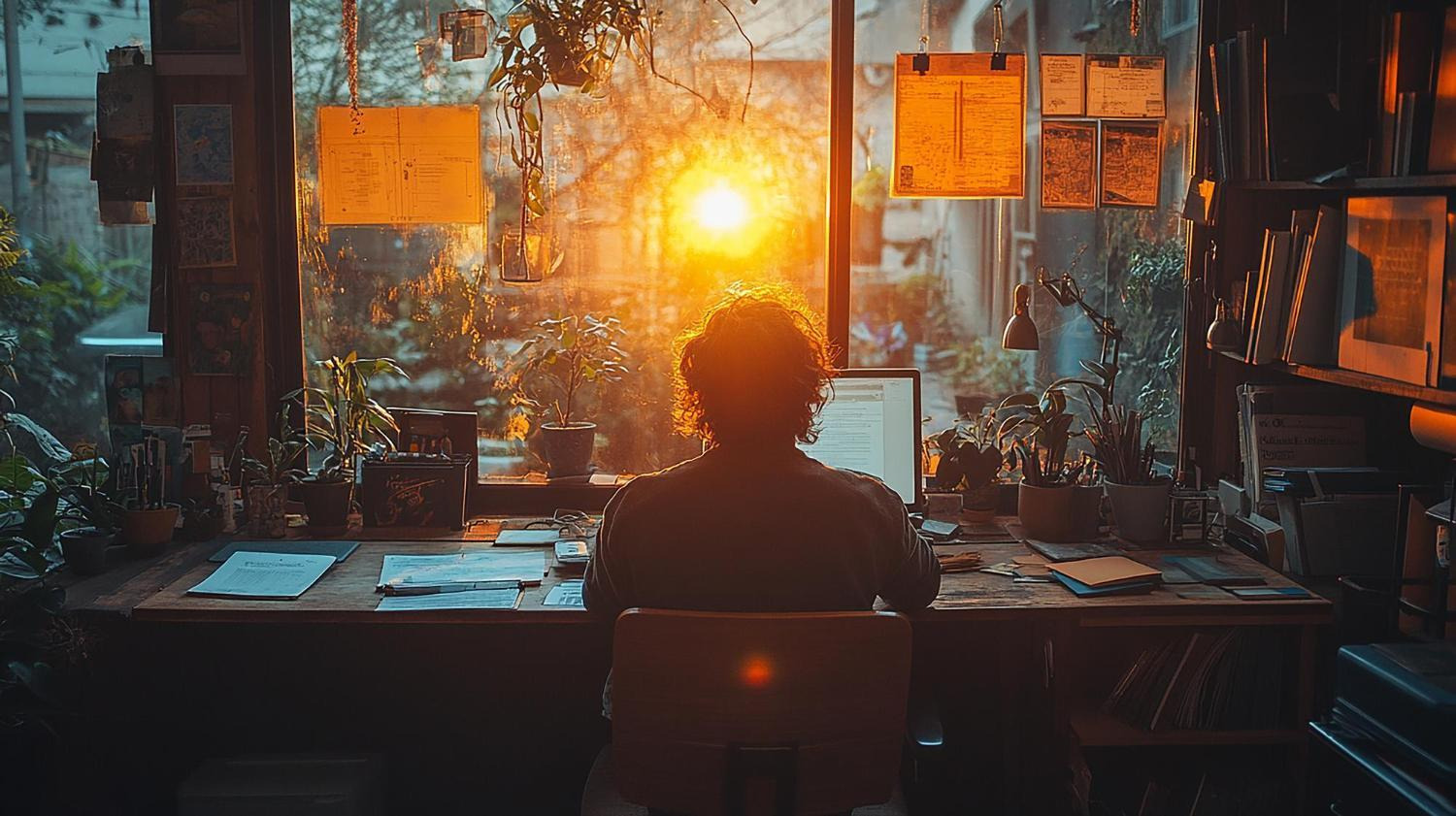
The NoHo Arts District has long been associated with creativity, actors rehearsing lines in cafés, designers sketching between meetings, musicians refining their sound in small studios. It’s a space defined by expression, but beneath that visible layer lies a quieter reality: creative work depends heavily on structure.
For many artists and independent professionals, the freedom associated with creative careers comes with a different kind of responsibility. Without traditional frameworks, individuals must build their own systems to stay consistent, organised, and sustainable over time.
The Invisible Side of Creative Careers
Creative work is often seen through its outcomes, performances, exhibitions, finished projects. What remains less visible is the infrastructure that supports those outcomes.
Schedules, finances, communication, and administrative tasks all play a role in making creative work viable. These elements may not be glamorous, but they are essential.
In a district like NoHo, where many individuals operate independently or in small teams, this balance becomes even more important. Artists are not only creators; they are also managers of their own time, resources, and workflows.
Building Structure Without Losing Flexibility
One of the main challenges of creative work is maintaining structure without sacrificing flexibility. Too much rigidity can limit creativity, while too little organisation can lead to inconsistency.
Successful creatives often find a middle ground. They establish routines that provide stability while leaving space for experimentation and spontaneity. This might include setting dedicated work hours, organising project timelines, or creating systems for tracking progress.
Structure, in this sense, is not restrictive, it is supportive. It allows creative energy to be directed more effectively.
Managing the Business Side of Creativity
For independent artists and freelancers, managing the business side of work is unavoidable. Payments, contracts, and documentation all require attention.
Tasks such as understanding how to create pay stubs for my business become part of the broader process of maintaining professionalism and transparency. Whether working with collaborators, clients, or institutions, having clear and organised records helps build trust and ensures that operations run smoothly.
While these responsibilities may feel distant from the creative process, they are closely connected to long-term sustainability. A well-managed structure allows creatives to focus more fully on their work, knowing that the practical side is under control.
The Role of Routine in Creative Output
Routine is often misunderstood in creative environments. It is sometimes seen as the opposite of inspiration, yet in practice, it can be one of its strongest foundations.
Daily habits, whether related to work, rest, or preparation, create consistency. They reduce the friction that comes with starting from scratch each day and help maintain momentum over time.
In the NoHo Arts District, where creative energy is constant, routine provides a grounding force. It allows individuals to navigate busy schedules, shifting priorities, and collaborative demands without losing focus.
Creative Energy and Moments of Release
Creative work often demands sustained focus, discipline, and repetition. Over time, this intensity can build pressure, especially in environments where output is closely tied to personal identity. For many creatives, finding intentional moments of release becomes just as important as maintaining structure.
These moments don’t always take the form of rest in the traditional sense. Sometimes, they are about contrast, engaging in experiences that feel dynamic, expressive, and even a little chaotic. Events, performances, or shared celebrations can offer that shift in energy, creating space to step outside routine and reconnect with a different kind of inspiration.
In this context, even something as visually striking as exploring the most powerful fireworks can feel unexpectedly relevant. The scale, rhythm, and intensity of such displays mirror the emotional highs of creative work itself, brief, impactful, and designed to be felt as much as seen. Experiences like this remind creatives that not all structure has to be rigid; moments of spectacle and release can play a valuable role in maintaining long-term balance.
The Importance of Sustainable Systems
Creative careers are rarely linear. Projects come and go, schedules change, and opportunities can be unpredictable. In this environment, sustainability becomes a key concern.
Systems, whether related to time management, finances, or personal routines, provide stability within this uncertainty. They allow individuals to adapt without losing direction.
According to the U.S. Small Business Administration, small and independent businesses benefit significantly from clear organisational practices, particularly when it comes to managing finances and maintaining consistency. This principle applies directly to creative professionals operating independently.
Community and Shared Experience
One of the strengths of the NoHo Arts District is its sense of community. While many creatives work independently, they are part of a larger network of individuals facing similar challenges.
Conversations around workflow, organisation, and sustainability are becoming more common. Sharing strategies and experiences helps individuals refine their own approaches and feel less isolated in the process. This exchange of knowledge contributes to a more supportive environment, where creativity is not only encouraged but also sustained.
A Different Perspective on Creative Work
Looking beyond the surface, creative work is not just about expression, it is about management, discipline, and long-term thinking. The systems that support it may not always be visible, but they are fundamental. From administrative tasks to personal routines, each element contributes to a larger structure that enables creative output. These systems do not limit creativity; they make it possible.
In the NoHo Arts District, creativity is everywhere. But behind every performance, project, or piece of work is a framework that supports it. Understanding this framework offers a more complete picture of what it means to work creatively. It highlights the importance of balance, between freedom and structure, expression and organisation. Ultimately, sustainable creative work is not just about inspiration. It is about building systems that allow that inspiration to continue, day after day.