


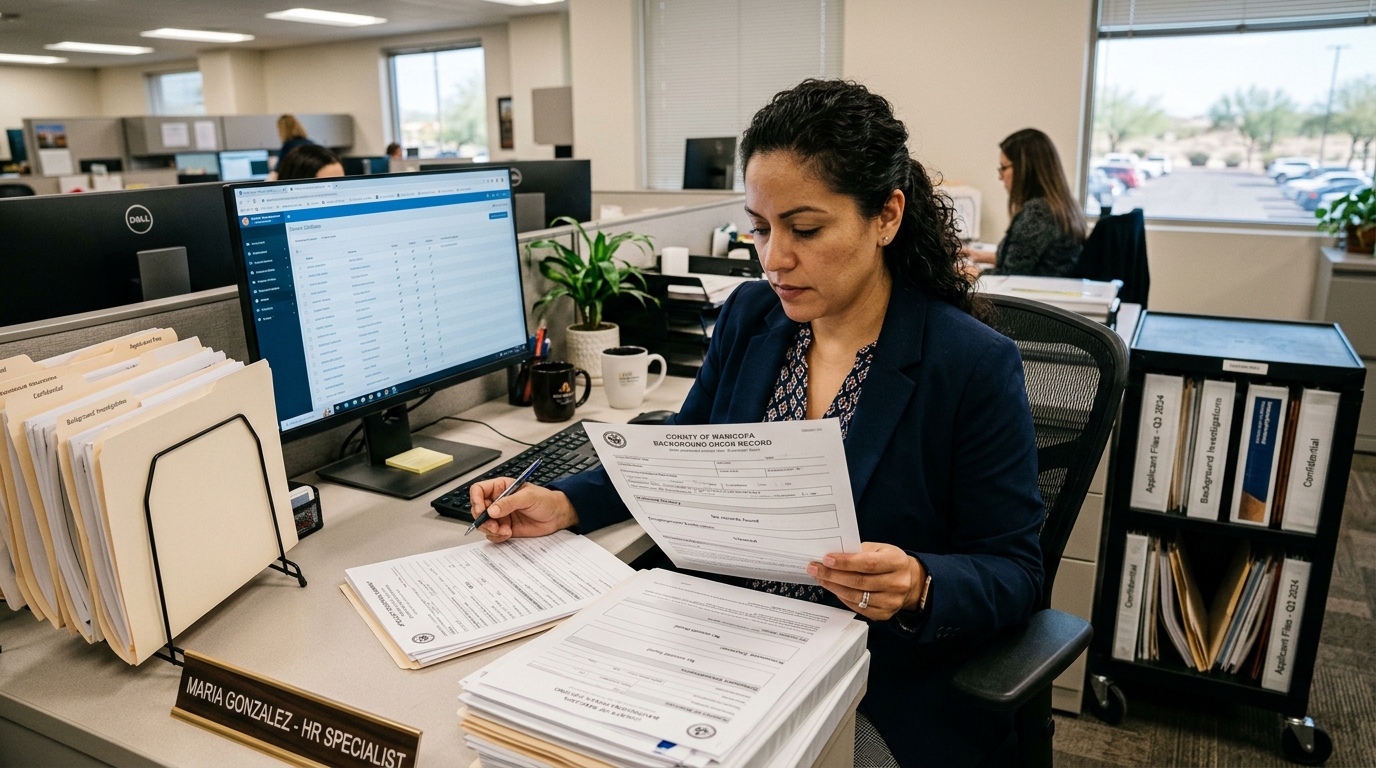
When someone applies for a job, a rental home, a license, a volunteer role, or another position of trust, their history may need to be reviewed. One common way to do this is through a county background check.
Since the US doesn’t have a single centralized criminal database, county-level checks are considered the gold standard for screening. They are thorough and up to date, and they hold up well under legal scrutiny.
This guide explains what a county check includes, how it works, and how you can run one.
What Is a County Background Check?
A county background check looks at court records in the county where a person has lived, worked, or attended school.
These checks usually focus on criminal cases handled at the county level. That can include misdemeanors, felonies, and sometimes pending charges. So, if someone was charged with theft, assault, drug possession, or another local criminal offense, that record may appear in the county court system.
County checks are often used by employers, landlords, licensing boards, and organizations that need to make careful decisions.
What Does a County Background Check Show?
A county check may show several types of criminal record information. The exact results depend on the county, the court system, and what records are available.
Common details may include:
- Felony records, which are usually more serious criminal offenses
- Misdemeanor records
- Pending criminal cases
- Case numbers, filing dates, charges, and court outcomes
- Dismissed cases or acquittals, depending on state rules and reporting limits
Some reports may also show sentencing details, probation, fines, or whether a case is still open. However, not every county provides records in the same format. Some counties have modern online systems, while others still rely on manual courthouse searches.
What It Doesn’t Show
A county background check is useful, but it’s not complete on its own. It only searches records in a specific county.
That means it won’t show crimes from another county unless that county is also searched. If a person lived in three different counties during the past seven years, each one may need to be checked separately.
It also doesn’t usually show federal criminal records. Federal crimes are handled in federal courts, not county courts. These may include crimes such as federal fraud, immigration-related offenses, tax crimes, or crimes that cross state lines.
A county check also may not include records that have been sealed, expunged, or legally restricted from public view.
How Far Back Does It Usually Go?
Many county background checks look back around seven years. This is common in employment screening because of reporting rules and industry practices.
However, the time period can vary. Some states limit how far back certain records can be reported. Other states may allow longer reporting periods for specific roles, especially jobs involving finance, children, healthcare, security, or government work.
The lookback period may also depend on the type of record. A conviction, a pending charge, a dismissed case, or a sealed record may each be treated differently.
How Long Does It Take?
A county background check generally takes one to three business days. If the county has digital court records, the process can be fairly quick.
However, delays can happen. In some counties, there are no digital records at all, which means a clerk has to manually search through physical files. That can add several days or even weeks to the process. Rural counties may take longer because they have fewer staff or older systems. Holidays, court closures, or incomplete personal details can also slow things down.
And if someone has a very common name, additional details may be needed to make sure the record belongs to the right person.
Are County Records More Reliable Than National Databases?
Mostly, yes. National databases are compiled from state and county sources that don’t always update in a timely manner. Records can be incomplete, delayed, or simply missing.
County courthouse records, on the other hand, are updated in real time as cases move through the system. When you run a county-level search, you’re getting information straight from the source. This makes the results far more accurate and dependable.
How to Run a County Background Check
The most direct method is to contact the County Clerk’s Office or visit the local courthouse in person. Many courts allow members of the public to search their records through an online portal or by submitting a formal request.
For employment or tenant screening purposes, we recommend using a professional screening service. These services are familiar with FCRA requirements and know how to handle records from multiple jurisdictions at once. They also maintain relationships with courts, which helps speed things up.
For more informal needs, self-service options are available that let you run a basic online background check without going through a professional provider.
Make the Most of a County Background Check
A county background check works best when used as part of a broader strategy. Pairing it with federal checks and multi-jurisdictional searches gives you a much more complete view of someone’s history.