


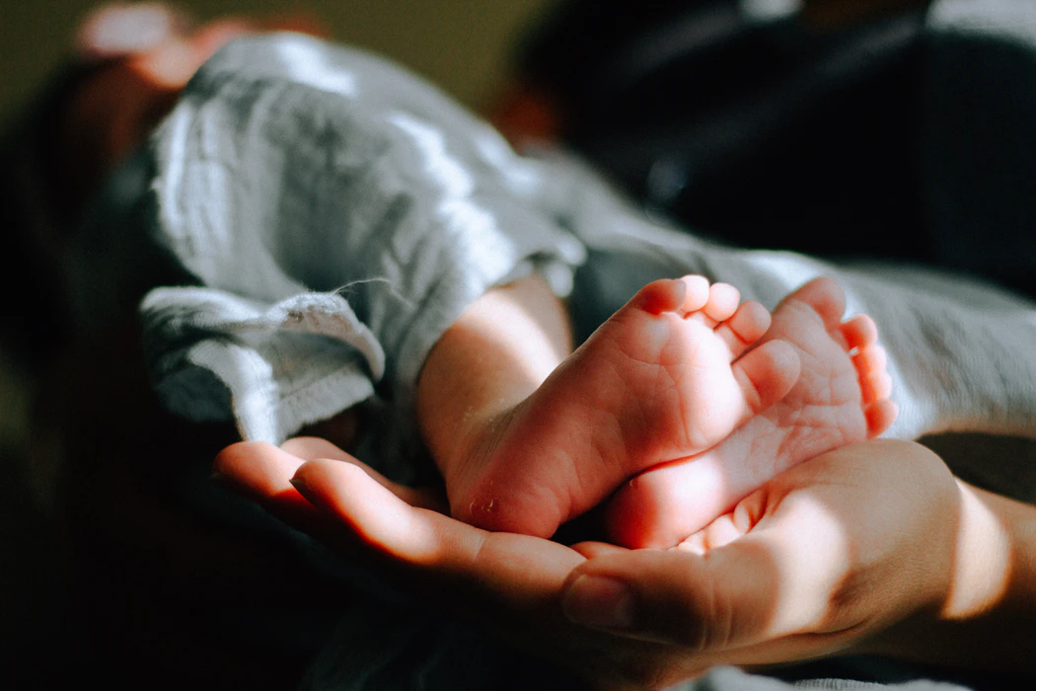
What new parents should know about colds in babies.
Babies are extra vulnerable to health issues, including the common cold. So, here is what you can do if you’re a new parent.
There’s a reason why it’s called the common cold. According to the American Academy of Pediatrics, many kids have eight to 10 colds or viral infections in the first two years of life. Why does this happen? Babies’ immune systems are developing during the first two years of life and it isn’t yet effective in staving off viruses and infections. Kids don’t get sick because their parents don’t dress them warmly enough or leave the windows to their room open. Sometimes, multiple health issues overlap, it feels like the baby isn’t recovering from a cold, and then they get another one.
If you’re a new parent, you may be overwhelmed by the myriad of symptoms your baby experiences because of the colds. Get in touch with your pediatrician if you’re worried about their state, especially if they’re under three months old.
This article provides basic information about colds in babies to help you identify the symptoms and pick the right treatment.
Common cold symptoms
Babies show signs of a cold about one to three days after they catch the virus. The symptoms in babies can include:
– Appetite loss
– Trouble sleeping
– Diarrhea
– Vomiting
– Crankiness or fatigue
– Runny nose (watery during the first day, then opaque yellow, and sometimes even green-tinted)
– Mild fever
– Sneezing
– Dry cough (it often gets worse at night or toward the end of the cold when the baby feels better except for the cough)
– Stuffiness or nasal congestion
– Scratchy or sore throat (it’s challenging to determine if your baby has a sore throat)
Some of these symptoms are similar to those of COVID-19 in young kids. So, contact your pediatrician to determine if you should test them for coronavirus.
Why does your baby catch colds?
Colds are upper-respiratory infections caused by viruses. These viruses get into their system through skin-to-skin contact, contact with a contaminated object, or droplet transmission from sneezes or coughs. Sadly, it means that cuddling, kissing, touching, or picking up toys (all the amazing things people do with a baby) can spread the virus. Over 200 viruses can cause common colds in babies, which explains why they get sick so often. They have more than their share of colds during the first years of life because their immune systems aren’t strong enough to fight against these viruses. However, you shouldn’t be too worried because these common colds don’t harm your child. In fact, doctors state that they do them some good because they boost their immune system and make them less susceptible to infections when they grow. Common colds last between seven and 10 days, and day three is usually the worst. Residual symptoms like cough usually last longer.
How can you treat your baby’s cold?
Ask your pediatrician if you should give your baby any medication when they suffer from a cold because small children should never take adult cold medicine. Also, most cold and cough medicines for children aren’t effective or safe for babies. Common colds don’t need any treatment as they go away on their own after a week or so. Antibiotics aren’t effective in killing viruses, and it’s no use to give them any. As a new parent, it’s natural for you to want to alleviate your baby’s symptoms, but you should never give over-the-counter medicines to infants or toddlers. These products aren’t designed for children under six years and can trigger dangerous side effects. To calm their cough and other cold symptoms, use a baby chest rub product to speed their recovery. Read the package before purchasing the product to make sure it’s designed for babies.
Don’t give your infant medicine that contains aspirin because it can increase the risk of developing a rare condition known as Reye’s syndrome. To help them recover, let them rest a lot and use some home remedies to improve their symptoms.
Give them extra fluids.
Nurse the baby more often. If they’re over six months, give them water and fruit juice because the fluids prevent dehydration and keep their mouth and nose moist.
Suck out the mucus and spray saline.
Your baby may have trouble breathing during the first days of cold, so spray a few drops of saline solution into their nostrils to loosen the mucus. With the help of a bulb syringe, you can suck it out and help them breathe. Don’t forget to wash the syringe with soap and water after each use.
Use a humidifier.
Bring the cool-mist humidifier into their room to add moisture to the air and prevent their nose from drying out. Clean the device after each use to avoid mold and bacteria growth.
Use moisturizing ointment. A light dab of a natural product under their nose can prevent soreness, chapping, and red skin.
How can you prevent colds?
Unfortunately, there’s little you can do to protect your baby from common viruses like those that cause colds. The best way to safeguard them from health issues is to wash their hands regularly, especially after they get in contact with other individuals. If you don’t have access to a sink with clean water, use wipes or hand-sanitizing gels because they’re as effective as soap in keeping viruses and germs at bay.
Another way to protect them from colds is to keep them away from anyone experiencing cold symptoms. Clean the surfaces with a disinfectant solution to prevent them from getting contaminated with germs. Don’t let people who smoke near your baby because cigarette smoke can make babies more likely to get sick.
When should you call the doctor?
You don’t have to see a pediatrician for most colds. However, if they’re under three months, it may be a good idea to ask them for recommendations and maybe bring them for a check-up. It can put your mind at ease and help you figure out how to handle the situation.