


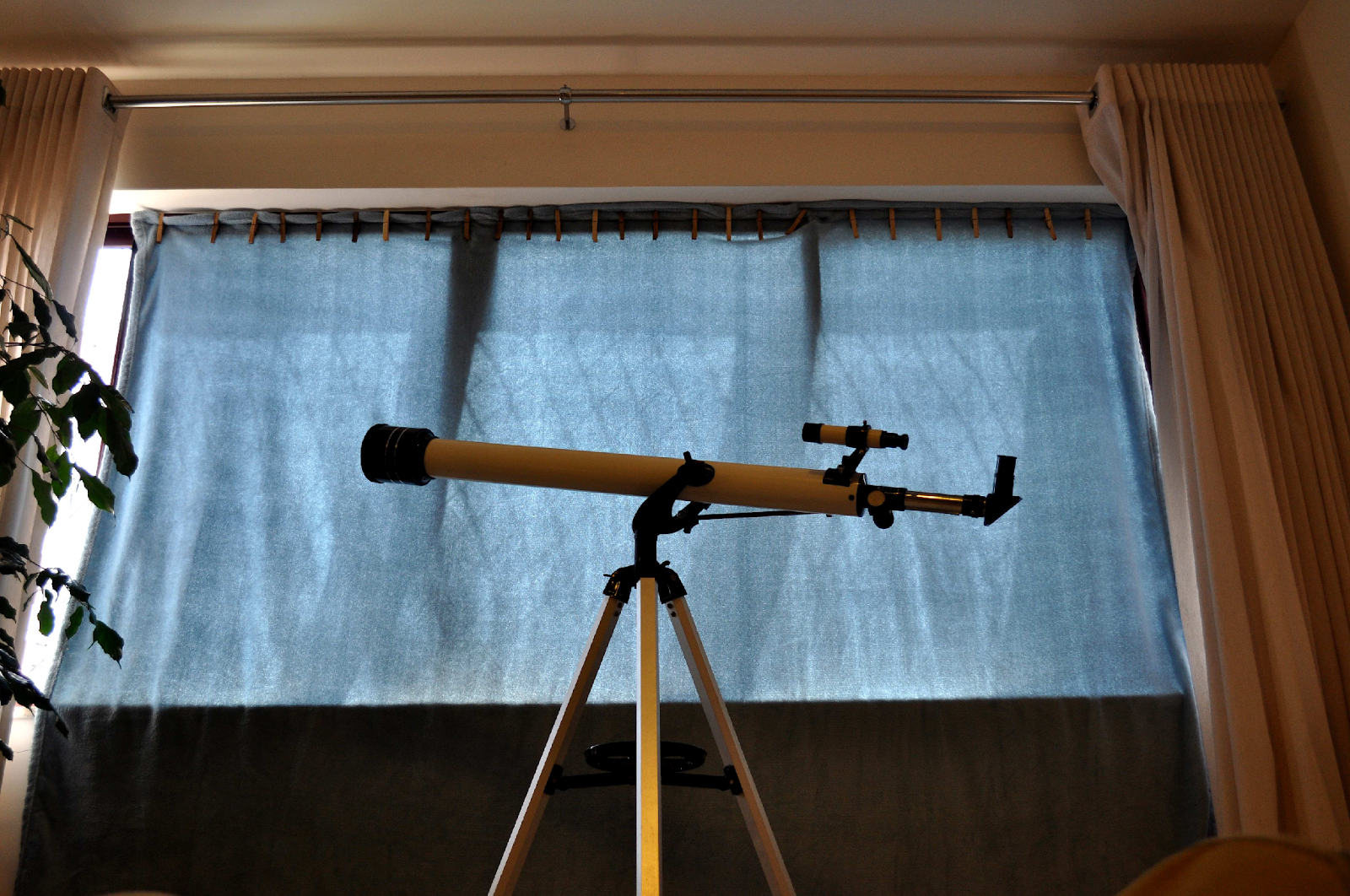
Unlimited financial resources are always a good thing. This factor is especially important when choosing a telescope. When price is no object, you can choose premium models. Only these will allow you to see the starry sky in a new way and learn a lot about space. Below is information on how to choose the right telescope without overspending.
Why do you need an expensive telescope?
Among the vast variety of optical sights, NVG, various types of binoculars, and other similar devices, telescopes stand out. They are used for only a few tasks, so they aren’t as popular as other optical equipment. This is especially true for expensive models, which can cost tens of thousands of dollars. However, when the price tag isn’t a factor, an expensive telescope is a good buy.
The main reason to avoid skimping and to choose the most expensive telescope is the high image quality it offers. This will provide visual pleasure for the observer and allow them to see the space more clearly. This is achieved through lenses made of special materials, specialized nanocoatings on optical elements, and other components. An expensive telescope also always offers highly detailed images. Thanks to high-quality optical elements and innovative image-processing methods, it’s possible to achieve maximum performance and see even the smallest objects.
Another reason to choose an expensive telescope is its ease of setup. Only these models feature automatic control (allowing tracking even fast-moving objects), precise targeting (the system automatically points the telescope at the selected object), and other useful features. Reliability is an equally important reason to choose expensive telescopes. Manufacturers refine these devices to perfection and thoroughly test them before shipping them to the customer. This reduces the risk of breakdowns, even with frequent use.
Key selection criteria
When price is no object, choosing is easy. That’s the view of those who’ve never had unlimited financial resources. In reality, choosing expensive equipment is quite a complex process. This is especially true for telescopes, where every detail can make a difference. Below are the main selection criteria and recommendations for choosing the right telescope model.
Optical system type
The key criterion for choosing any telescope is the type of optical system. There are three options, each suited to specific tasks. Refracting telescopes operate based on standard optical laws. They are reliable and capable of producing high-quality images. They are most often used to observe the Moon and the planets of the Solar System. An alternative option is reflecting telescopes. They are equipped with special mirrors that perform all the light manipulations (collecting rays and directing them to the eyepiece). Such telescopes are difficult to maintain but are effective for observing distant space objects. There are also catadioptric telescopes. These are devices that use mirrors to collect light rays and lenses to eliminate distortion. These telescopes are extremely versatile and are suitable for a variety of tasks, including space photography.
Aperture
Aperture is a key parameter for any telescope. It is essentially the diameter of the lens/mirror used to collect light. When price is a consideration, telescopes with the largest possible aperture are chosen. The higher the aperture, the dimmer the telescope can “see.” A larger aperture also makes images brighter and more detailed. For buyers with unlimited budgets, models with apertures of 150 mm (refracting) and 400-600 mm (reflecting) are ideal. With these apertures, telescopes will be close to professional equipment used for scientific purposes.
Telescope mount
Anyone who has ever observed the stars knows that one of the most important components is the telescope mount. It’s a rotating tripod-like device that holds the telescope in place. This mount allows for the telescope to be pointed and held steady during operation. When price is no object, an equatorial mount is the best choice. It’s expensive, but extremely effective. It allows for continuous observation, compensating for the Earth’s rotation and ensuring the object remains within the telescope’s field of view. A Dobsonian mount is an alternative. This mount is a good solution for refracting telescopes when an equatorial mount is unavailable or undesirable.
Focal length
A telescope’s ability to observe various objects directly depends on its focal length. Long-focus models are ideal for studying stars and planets. They provide high magnification and create a noticeable visual zoom effect when viewing distant objects. This feature allows for detailed examination of the lunar surface, exploration of the planets of the Solar System and their satellites, and observation of objects located relatively close to Earth. Short-focus telescopes are also suitable for those with unlimited budgets. They provide the widest possible field of view. This makes them indispensable for studying large objects (such as galaxies or nebulae). Short focal lengths also make telescopes ideal for photographing space.
When price is no object, you can choose not just optics for observing the starry sky, but a fully-fledged instrument for detailed space exploration. These telescopes are the benchmark in every way. Although they are very expensive, they offer their owner unlimited observing possibilities. With their help, you can learn a lot of new things and make a lot of discoveries for yourself.