


When storms occur, they can seriously damage our homes, and the roof is often the first part affected. Over time, harsh weather can cause problems that may not be obvious right away. Whether it’s rain, strong winds, hail, or snow, your roof can show significant wear and tear. Knowing how to check your roof for damage is important to keep your home safe.
Let’s look at how to assess your roof effectively and the signs of weather damage to keep in mind.
Visual Inspection
Start by inspecting your roof from the ground. Use binoculars to look for issues, such as missing shingles, saggy areas, or discoloration. Check around chimneys and vents for gaps or missing flashing. While you may want to get a closer look, a ground-level check can often reveal a lot.
If you feel safe doing so, you can use a ladder or go on the roof to inspect it closely. Always prioritize your safety. Wear rubber-soled shoes, and if it doesn’t feel safe, it’s best to call a professional. Roofers know how to work safely and effectively.
Signs of Damage
Finding signs of damage early can prevent bigger problems later. For example, if you see dark spots or stains on your ceilings, it might indicate a roof leak. Also, if you find granules from your shingles in the gutters, that’s a sign of deterioration. Curled or buckled shingles indicate they are nearing the end of their lifespan.
Look for uneven areas on the roof, as they may signal structural issues that could compromise your home’s safety. Also, watch for moss or algae growth, as they can hold moisture and cause further damage.
Checking Materials
Different types of roofing react differently to weather. For instance, asphalt shingles can become brittle and crack over time. Metal roofs can rust if scratched or damaged. Tile roofs are tough but can break if hit hard. Knowing your roof material helps you identify the problems to look for and assess its condition.
If you’re unsure about what you see, it’s a good idea to get a second opinion. A qualified roofer can provide valuable insights into your roof’s condition. They can spot minor issues that could turn into major repairs.
Professional Roofers
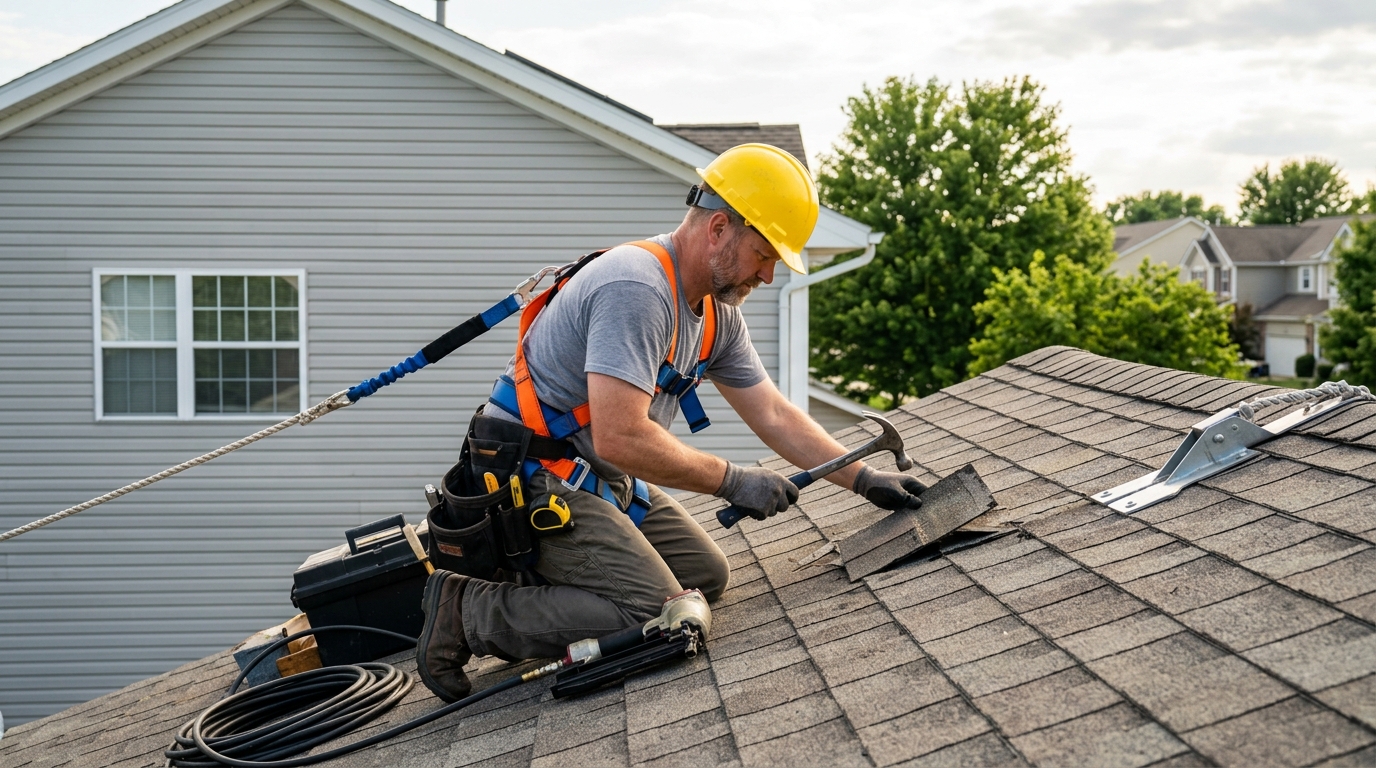
Roofers are essential for keeping your roof in good condition and lasting a long time. Their knowledge helps them spot problems that you might overlook. They understand local weather and how different roofing materials can hold up over the years.
When you hire a roofer, you’re not just getting someone to fix a leak. You’re working with a partner to care for your home. They can assess any damage, recommend the right repairs, and offer tips to help your roof last longer. Many roofers also offer maintenance services to regularly inspect your roof for signs of wear, which can be a smart investment for homeowners.
Weather-Proofing
After spotting possible damage, consider weatherproofing your roof to prevent new issues. Simple preventive steps can make a big difference. Regular tasks like cleaning gutters and trimming overhanging branches can help reduce damage. Roof coatings can also add protection against harsh weather.
Make sure to check your home’s ventilation too. Good ventilation reduces heat and moisture buildup, which can cause roofing problems. Proper insulation also helps prevent ice dams during winter.
Emergency Repairs
If a storm causes serious damage, it’s important to know how to make emergency repairs until professionals can help. If you notice a major leak or damage, follow these steps:
If water drips from the ceiling, place a bucket or container underneath it. This will help prevent more damage to your home. If it’s safe, cover the damaged area of your roof with a tarp or plastic sheeting. Use weights or rope to secure it so it won’t blow away. This can help keep rain and debris from worsening things.
When to Seek Help
If you find significant damage after your inspection, it’s time to act. Contact professional Mississauga roofers for repairs, especially if you notice leaks. Tackling these problems early can save you from more expensive, later repairs.
It’s also important to check your roof regularly, especially after bad weather. Inspecting your roof each season ensures you catch any issues early. Keeping an eye on your roof helps you proactively manage its condition.
Taking the time to look at your roof after a storm makes a real difference. Whether you do a quick visual check or get help from professional roofers, staying aware and proactive protects your home for years to come.