


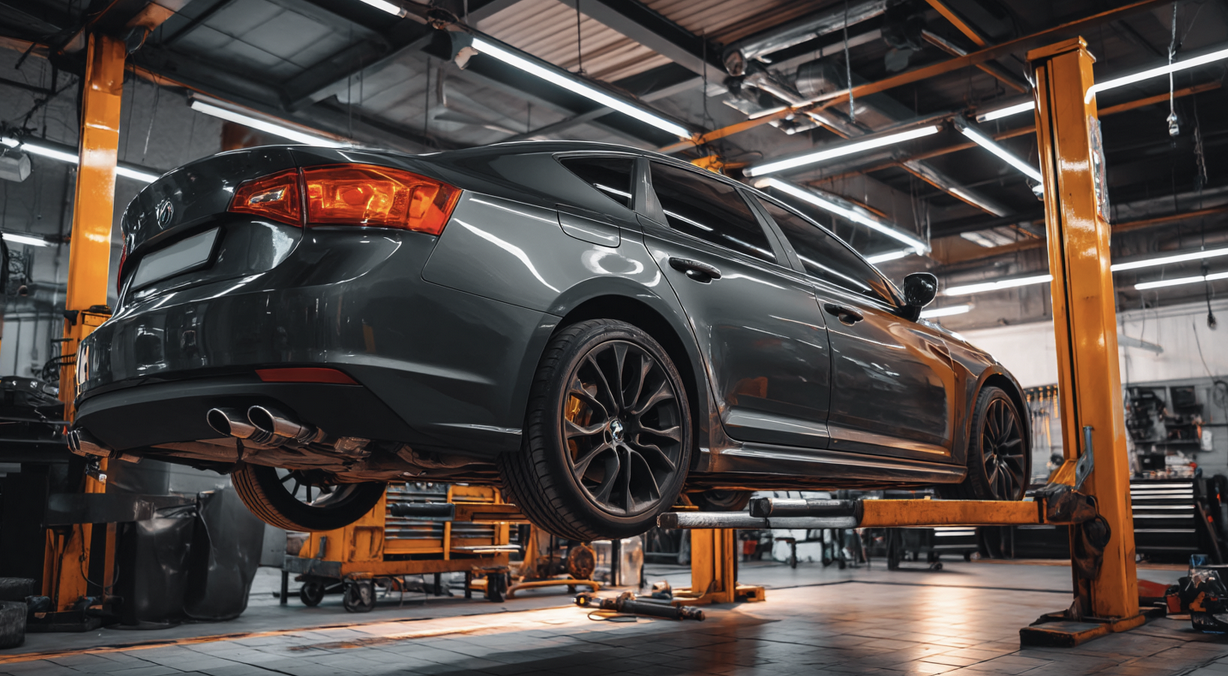
Catalytic converter replacement is one of the more expensive exhaust-related repairs a vehicle owner may face. Whether the converter has failed, been damaged, or was stolen, the final cost can vary widely based on the vehicle, part type, labor, emissions requirements, and any related damage.
If you are asking how much would it cost to replace a catalytic converter, a common range is often around $1,000 to $3,000 or more. Some vehicles may cost less, while certain trucks, hybrids, luxury vehicles, or emissions-certified models can cost significantly more.
The catalytic converter itself is usually the biggest part of the bill, but the total repair can also include oxygen sensors, gaskets, exhaust pipe sections, clamps, welding, diagnostics, and inspection of surrounding damage.
What Does a Catalytic Converter Do?
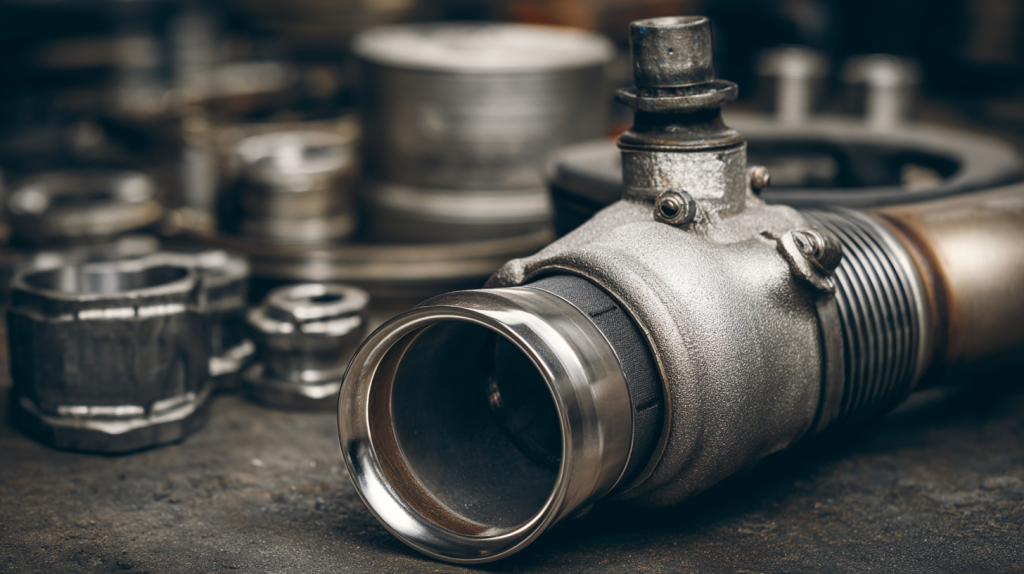
A catalytic converter is part of the vehicle’s exhaust system. Its job is to help reduce harmful pollutants before exhaust exits the tailpipe.
Inside the converter are materials that help transform harmful gases into less harmful emissions. Because of the materials inside and the vehicle-specific design required for emissions compliance, catalytic converters can be expensive to replace.
Ignoring a bad catalytic converter can lead to failed emissions tests, reduced performance, poor fuel economy, warning lights, and possible damage to other parts of the vehicle. It is not a repair that should be delayed for too long.
Signs You May Need a Catalytic Converter Replacement
A failing catalytic converter can create several symptoms, but those symptoms can also overlap with other vehicle problems. That is why proper diagnosis matters.
One of the most common signs is a check engine light. The vehicle may store a catalytic converter efficiency code, but a code alone does not always prove the converter is bad. Oxygen sensors, exhaust leaks, engine misfires, or fuel mixture issues can sometimes trigger similar warnings.
Other symptoms may include a rotten egg smell, unusual exhaust odor, poor acceleration, reduced engine performance, rattling under the vehicle, or a failed emissions test. If the converter is clogged or internally damaged, exhaust flow may be restricted, which can affect how the engine runs.
If the converter was stolen, the signs are usually more obvious. The vehicle may sound extremely loud when started, and there may be visible cuts or missing sections in the exhaust system.
What Affects the Cost to Replace a Catalytic Converter?
The cost depends on several factors, and two vehicles can have very different repair prices.
Vehicle make, model, and engine type are major factors. Some vehicles require more expensive converters because of emissions design, engine layout, or limited part availability. Hybrids, trucks, luxury vehicles, and certain low-emissions vehicles may cost more.
The choice between OEM and aftermarket parts also affects price. OEM parts are made to match the original manufacturer specifications and often cost more. Aftermarket converters may be less expensive, but they must still meet the correct emissions standards for the vehicle and state.
A direct-fit converter is designed to bolt into place for a specific vehicle. It may cost more as a part but can reduce installation complexity. A universal converter may be cheaper upfront, but it often requires cutting, welding, and additional labor.
State emissions rules are also important. Some states have stricter requirements and only allow certain approved catalytic converters. Installing the wrong part can lead to emissions failure or legal issues.
Related parts can add to the bill. Oxygen sensors, gaskets, clamps, flanges, bolts, and exhaust pipe sections may need replacement if they are damaged, seized, rusted, or cut during theft.
Catalytic Converter Theft Can Change the Cost
Catalytic converter theft often creates more damage than just the missing converter. Thieves may cut the exhaust pipes quickly, damaging oxygen sensor wiring, hangers, brackets, shields, or nearby underbody components.
If the catalytic converter was stolen or the vehicle has underbody damage from a theft attempt, an Auto Body Shop can help inspect whether the exhaust area, wiring, or nearby components need attention before the repair is finalized.
Insurance may also affect the out-of-pocket cost. If you have comprehensive coverage, catalytic converter theft may be covered depending on your policy and deductible. Drivers should check with their insurance company before paying for the repair themselves, especially if the converter was stolen or the vehicle was damaged during the theft.
An inspection matters after theft because simply installing a new converter may not solve every issue. Cut wiring, damaged sensors, bent exhaust sections, and underbody damage can cause ongoing warning lights or performance problems if they are not repaired.
Can You Drive With a Bad or Missing Catalytic Converter?
Driving with a failing catalytic converter is not ideal. The vehicle may still run, but performance can suffer, warning lights may remain on, and the car may fail emissions inspection. If the converter is clogged, driving too long may increase stress on the engine or exhaust system.
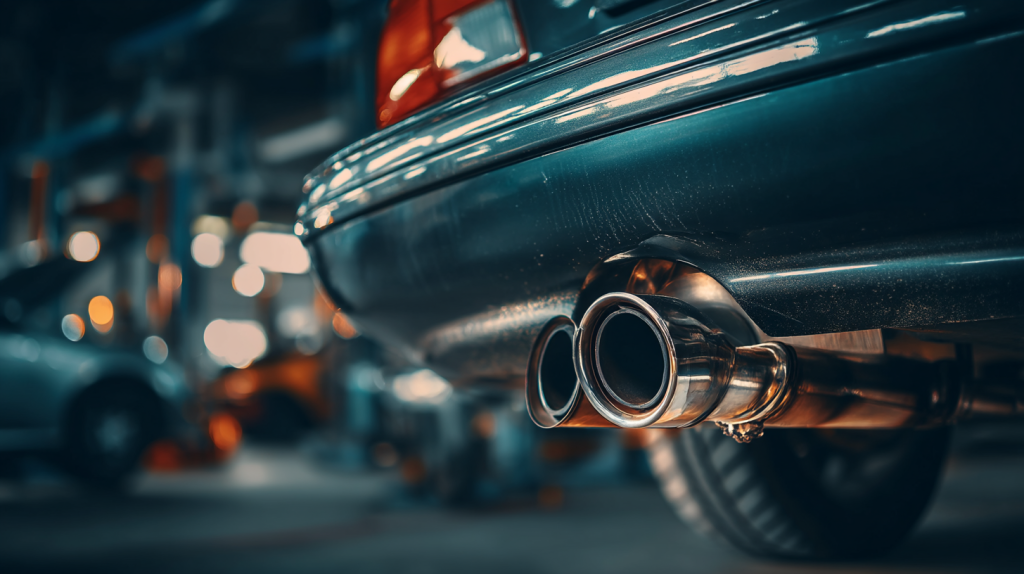
Driving after catalytic converter theft is different. The vehicle will usually be very loud, and there may be fumes or exposed exhaust near the underside of the car. Damaged wiring or loose exhaust components can also create additional risks.
Driving without a catalytic converter is not a legal long-term solution. The vehicle must have a properly functioning emissions system to meet legal and inspection requirements.
Repair vs. Replacement: Do You Always Need a New Catalytic Converter?
Not every catalytic converter code automatically means the converter needs replacement. A proper diagnosis should come first.
Engine misfires, rich fuel mixture, oil burning, coolant leaks, bad oxygen sensors, and exhaust leaks can all damage a catalytic converter or make it appear to be failing. If the root cause is not fixed, a new converter may fail again.
Replacement is usually needed when the converter is internally damaged, clogged, physically broken, stolen, or unable to pass emissions testing after proper diagnostics. It may also be necessary if the converter has been damaged by impact or corrosion.
In some cases, another repair may solve the problem. For example, a faulty oxygen sensor, exhaust leak, or engine performance issue may need to be corrected before replacing the converter.
How to Get an Accurate Catalytic Converter Replacement Estimate
The best estimate starts with a diagnostic scan and inspection. Codes can point the technician in the right direction, but they should not be the only basis for the repair. A shop should confirm whether the converter has failed or whether another issue is causing the problem.
Ask what parts are included in the estimate. The quote should explain whether it includes the converter, oxygen sensors, gaskets, clamps, exhaust pipe sections, welding, labor, and diagnostics.
Confirm that the replacement part is legal for your vehicle and location. Emissions compliance matters, especially in states with stricter rules.
Compare quotes carefully. A lower quote may not include the same parts, labor, warranty, or emissions-compliant converter as another estimate.
Before approving a major exhaust or converter-related repair, visiting a trusted Auto Body Shop can help drivers understand whether impact damage, theft damage, or related body repairs should be addressed alongside the mechanical work.
Common Mistakes to Avoid With Catalytic Converter Replacement
One of the biggest mistakes is replacing the converter without diagnosing why it failed. If an engine issue caused the converter to overheat or clog, the new converter may fail too.
Another mistake is choosing a part that is not legal in your state. A non-compliant converter may be cheaper upfront but can create emissions, inspection, or legal problems later.
Drivers should also avoid ignoring theft damage or cut wiring. A stolen converter may leave behind damaged oxygen sensor wires, exhaust leaks, and underbody issues that need attention.
Waiting too long can also make problems worse. A failing converter can affect performance, fuel economy, emissions compliance, and other exhaust components.
Final Thoughts: The Total Cost Depends on the Whole Repair
So, how much would it cost to replace a catalytic converter? In many cases, the total can fall around $1,000 to $3,000 or more, but the real answer depends on the vehicle, part type, labor, emissions rules, exhaust condition, and whether theft or impact damage is involved.
The converter itself is only one part of the repair. A complete estimate may include diagnostics, sensors, gaskets, pipe sections, welding, hardware, and inspection of related damage.
Before approving the work, get a proper diagnosis, ask what is included, confirm the part is emissions-compliant, and check insurance coverage if theft was involved. A careful repair decision can help avoid repeat problems and make sure the vehicle is safe, legal, and ready to drive.