


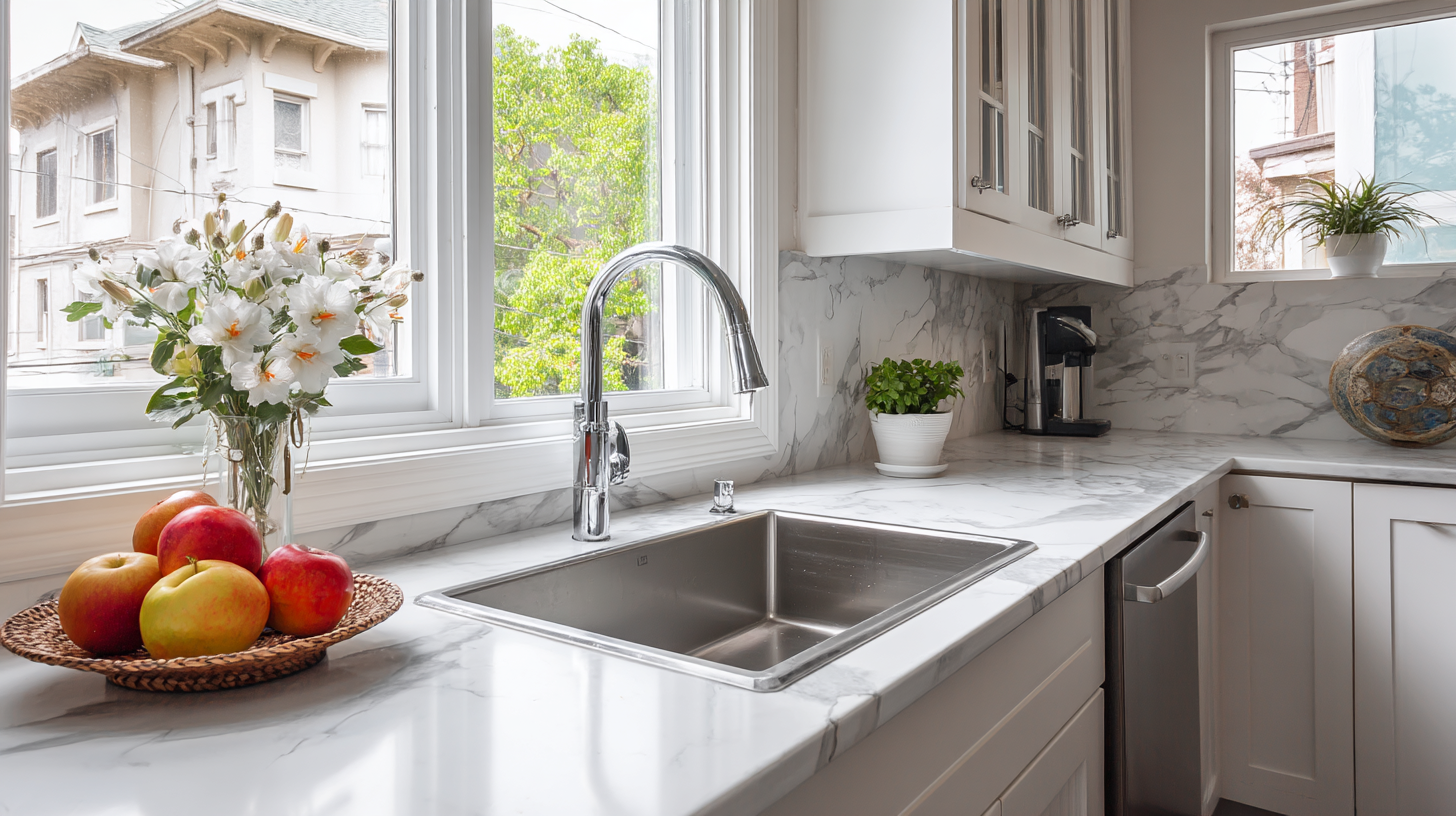
Kitchen countertops play a major role in the overall appearance of a kitchen, but replacing them can be expensive and time-consuming. Because of this, many homeowners ask the same question when planning a kitchen refresh: can you paint kitchen countertops instead of replacing them?
In many cases, the answer is yes. Certain countertop surfaces can be painted successfully with the proper preparation, products, and expectations. Painting countertops has become a popular option for homeowners looking to update outdated laminate or worn surfaces without committing to a full kitchen remodel.
However, painted countertops are not the same as brand-new stone, quartz, or professionally replaced surfaces. The long-term durability depends heavily on the material being painted, the preparation process, and how the countertops are used afterward.
Which Kitchen Countertops Can Be Painted?
Not every countertop material responds the same way to paint or countertop coatings. Some surfaces are much better candidates than others.
Laminate Countertops
Laminate countertops are one of the most commonly painted surfaces because they are relatively easy to prepare and refinish.
Older laminate kitchens often have outdated colors or patterns that make the entire kitchen feel dated. Painting laminate can provide a more modern appearance without the cost of replacement.
Because laminate is smooth and non-porous, proper sanding and primer application are especially important for long-term adhesion.
Wood and Butcher Block Surfaces
Wood countertops and butcher block surfaces can also be painted, although some homeowners prefer staining or sealing instead.
When painting wood surfaces, moisture protection becomes critical because kitchens experience constant cleaning, spills, and humidity.
Stone and Quartz Countertops
Stone, granite, and quartz surfaces are generally more difficult to paint successfully. These materials are already durable and attractive, and paint may not bond as reliably over time.
In many cases, painting these surfaces is considered more temporary and cosmetic than permanent.
Countertops That Should Usually Be Replaced Instead
Some countertops are simply too damaged for painting to be worthwhile. Swollen laminate, water-damaged surfaces, deep cracks, or structurally deteriorated counters often require replacement rather than refinishing.
Paint can improve appearance, but it cannot repair serious structural problems underneath the surface.
Pros and Cons of Painting Kitchen Countertops
Painting countertops can provide benefits in the right situation, but homeowners should understand the tradeoffs before starting the project.
Benefits of Painting Countertops
One of the biggest advantages is cost savings. Painting countertops is significantly less expensive than replacing them with quartz, granite, or other premium materials.
Painting can also provide a fast cosmetic update. A kitchen that looks outdated may feel dramatically cleaner and more modern after the countertops are refinished.
For homeowners preparing a home for sale or refreshing a rental property, painting countertops can offer a noticeable visual improvement without major construction.
Drawbacks to Consider
Painted countertops are generally less durable than professionally installed countertop materials. Over time, they may scratch, chip, or wear down, especially in high-use kitchens.
Heat, heavy cleaning, sharp objects, and standing water can also affect painted finishes if the surface is not properly sealed and maintained.
Most importantly, painted countertops should usually be viewed as a cosmetic upgrade rather than a permanent replacement solution.
What You Need Before Painting Kitchen Countertops
Preparation is one of the most important factors in determining whether painted countertops look professional and hold up over time.
Essential Tools and Materials
Most countertop painting projects require:
- Degreaser or heavy-duty cleaner
- Sandpaper or liquid deglosser
- Bonding primer
- Countertop paint or epoxy kit
- Paint rollers and brushes
- Painter’s tape
- Drop cloths
- Protective topcoat or sealant
Using products specifically designed for countertops is important because kitchens experience far more wear than standard painted walls.
Why Preparation Is the Most Important Step
Kitchen surfaces collect grease, oils, food residue, and cleaning chemicals over time. Paint cannot properly bond to contaminated surfaces.
Sanding or deglossing also helps create texture that improves adhesion. Skipping preparation is one of the main reasons painted countertops begin peeling or bubbling later.
Homeowners looking for a smoother and more durable finish often rely on experienced painting professionals such as Cover Pro Painting for proper surface preparation and countertop coating application.
How to Paint Kitchen Countertops Step by Step
Painting countertops requires patience and attention to detail.
Step 1 – Clean the Countertops Thoroughly
Begin by removing all grease, food residue, soap buildup, and dirt from the surface.
Even small amounts of oil or residue can interfere with primer and paint adhesion.
Step 2 – Sand or Degloss the Surface
Glossy countertops should be lightly sanded or treated with a liquid deglosser to create texture for bonding.
The goal is not to damage the countertop, but to create a surface the primer can grip properly.
Step 3 – Apply a Bonding Primer
Bonding primer helps the paint adhere to slick countertop surfaces.
This step is especially important for laminate countertops and other non-porous materials.
Step 4 – Apply Thin, Even Coats of Paint
Apply multiple thin coats rather than one thick layer. Thin coats generally dry more evenly and reduce visible brush marks or roller texture.
Allow sufficient drying time between coats according to the product instructions.
Step 5 – Seal and Protect the Surface
Many countertop systems include a protective topcoat or epoxy layer designed to improve moisture resistance and durability.
This protective coating helps the surface withstand daily kitchen use more effectively.
Step 6 – Allow Full Cure Time
Dry paint and cured paint are not the same thing. Even if the surface feels dry, it may still be vulnerable underneath.
Countertops should not be heavily used until the full cure time has passed.
Common Mistakes That Cause Painted Countertops to Fail
Many painted countertop problems result from rushed preparation or unrealistic expectations.
Using Standard Wall Paint
Regular interior paint is not designed to handle kitchen countertop use. Specialized countertop paint or epoxy systems generally perform much better.
Skipping Surface Preparation
Poor cleaning and insufficient sanding are among the most common reasons paint peels or chips.
Countertops must be properly prepared before primer and paint are applied.
Exposing Countertops to Heavy Use Too Soon
Many homeowners begin using countertops before the coating has fully cured.
Heavy use, moisture, and cleaning during the curing process can weaken the finish significantly.
Ignoring Existing Damage
Paint cannot fix warped countertops, structural instability, or water damage underneath the surface.
In some cases, replacement is the more practical long-term option.
When Painting Countertops Makes Sense
Painting countertops can work well in certain situations.
Budget-Friendly Kitchen Updates
For homeowners seeking an affordable cosmetic refresh, painted countertops can provide a cleaner and more modern appearance without a major remodel.
Rental Properties or Home Staging
Property owners often use countertop painting to improve appearance before listing or renting a home.
A brighter kitchen can help improve overall presentation without major construction costs.
Temporary Upgrades Before Full Renovation
Some homeowners use painted countertops as a temporary improvement while planning a larger kitchen renovation later.
This approach may help extend the life of an older kitchen until a full remodel becomes realistic.

When Countertop Replacement Is the Better Option
Painting is not always the right answer.
Water Damage or Structural Problems
Swollen laminate, water damage, or deteriorating surfaces usually require replacement rather than refinishing.
Moisture problems underneath the countertop may continue spreading if they are not addressed directly.
Kitchens Needing Layout Changes
If the kitchen layout itself no longer functions well, painting countertops may only provide a temporary cosmetic improvement.
A full remodel may create better long-term value and functionality.
Homeowners Wanting Long-Term Durability
Homeowners seeking highly durable surfaces with long-term resale value may ultimately prefer quartz, stone, or professionally installed countertop materials.
For homeowners planning larger kitchen renovations instead of temporary updates, companies such as Origami Design Build help evaluate long-term remodeling options, layout improvements, and countertop replacement solutions.
DIY vs. Hiring a Professional
Some homeowners successfully paint countertops themselves, especially in smaller kitchens with simple layouts.
When DIY Painting May Work Well
DIY countertop painting may work well when:
- The existing counters are structurally sound
- The kitchen is smaller
- The homeowner has previous painting experience
- Expectations are realistic
- The project is primarily cosmetic
When Professional Help May Be Worth It
Professional help may be beneficial for:
- Large kitchens
- Epoxy countertop systems
- High-end finishes
- Complex surfaces
- Busy households requiring maximum durability
Professional preparation and application often produce smoother and more consistent results.
Final Thoughts on Painting Kitchen Countertops
So, can you paint kitchen countertops? In many cases, yes. With proper preparation, quality products, and realistic expectations, painted countertops can provide an affordable and visually appealing kitchen refresh.
However, painted surfaces should generally be viewed as cosmetic upgrades rather than permanent replacements for damaged or aging countertops. The success of the project depends heavily on surface condition, preparation quality, curing time, and ongoing maintenance.
Before starting, homeowners should evaluate whether they want a temporary refresh or a long-term kitchen investment. In some situations, painting countertops may provide exactly the improvement needed. In others, replacement or remodeling may offer better long-term value and durability.