


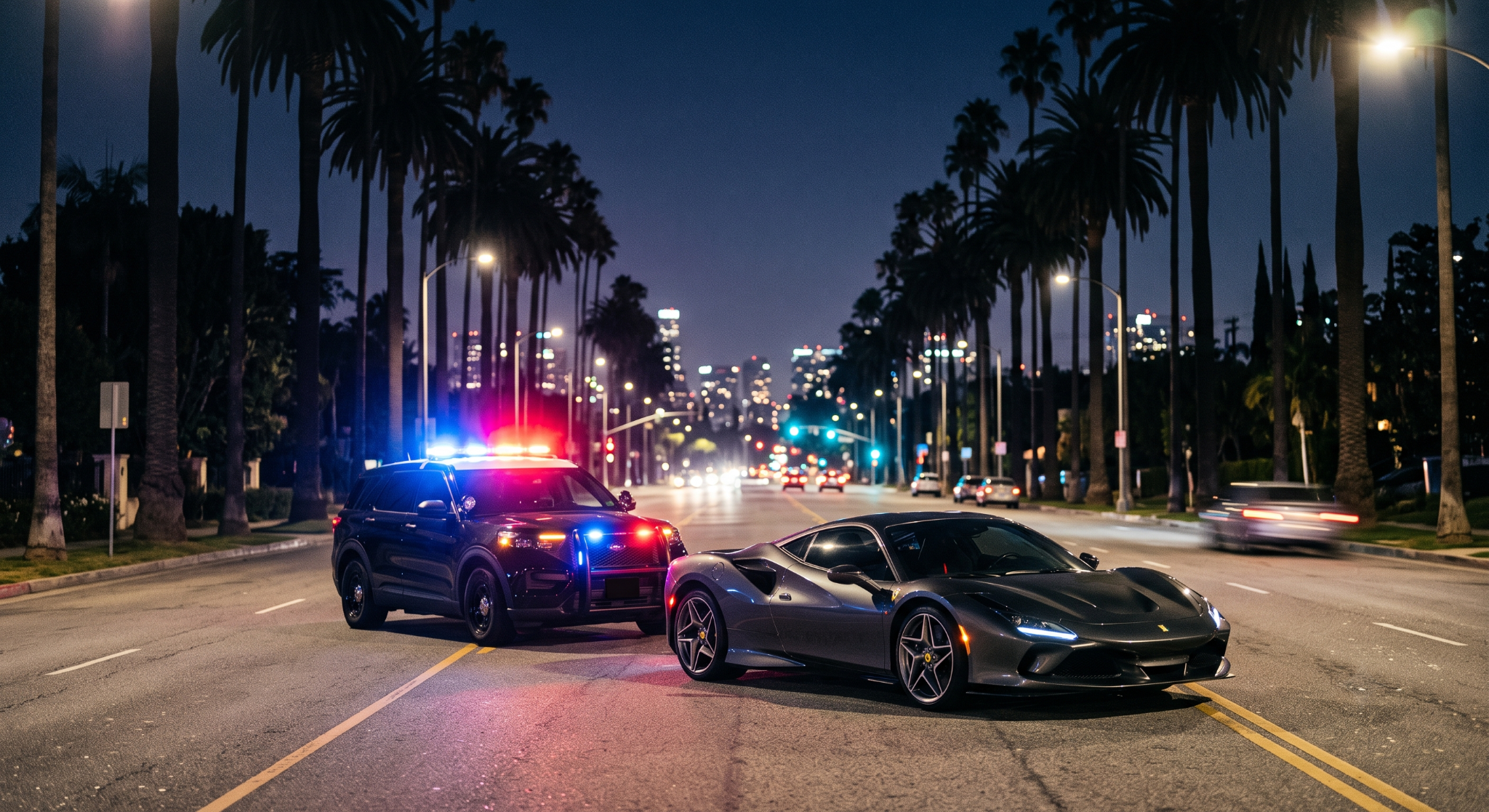
California has long served as both stage and courtroom for some of the most public legal dramas in American culture. For anyone who follows entertainment news or spends time in arts communities across Southern California from the NoHo Arts District to the galleries of Santa Ana, celebrity DUI arrests are a recurring fixture in the headlines. Names like Mel Gibson, Lindsay Lohan, Paris Hilton, and a rotating roster of reality TV personalities have all faced DUI charges in the Golden State.
But beyond the tabloid coverage lies a genuinely instructive window into how California’s drunk driving laws actually work and what those high-profile cases mean for everyday Californians who find themselves in the same legal situation without the celebrity resources.
The Law Applies Equally. Resources Don’t.
One of the most revealing truths that celebrity DUI cases expose is this: California’s DUI statute doesn’t make exceptions for fame, but access to experienced legal counsel does create dramatically different outcomes.
California Vehicle Code §23152 makes it illegal to drive with a blood alcohol concentration (BAC) of 0.08% or higher full stop. The law applies to every driver in the state, regardless of net worth or name recognition. What high-profile defendants bring to their cases, however, is immediate access to experienced legal teams who understand California’s dual-track system: the criminal proceeding in court and the parallel DMV Administrative Per Se (APS) process that threatens driving privileges independently.
That 10-day window to request a DMV APS hearing, which runs from the date of arrest, is one of the most commonly missed deadlines for unrepresented defendants. Missing it results in automatic license suspension, regardless of what happens in criminal court. Most people only learn this through an attorney.
What Celebrity Cases Teach Us About California DUI Penalties
Because high-profile DUI cases are publicly scrutinized, they function as useful real-world case studies. A few consistent patterns emerge:
First offenses carry real consequences. Even with top-tier legal representation, first-offense DUI convictions in California typically result in probation, fines that can reach several thousand dollars when penalty assessments are factored in, a minimum six-month license suspension, and mandatory DUI education courses. Celebrities may avoid incarceration on first offenses, but the financial and legal fallout is significant and long-lasting.
Breathalyzer and field sobriety test results can be challenged. Defense attorneys in several well-known celebrity cases have successfully challenged the arresting officer’s procedure or the calibration of testing equipment. This is a legitimate legal strategy available to any defendant, not just those with famous names, when represented by skilled counsel.
Repeat offenses escalate significantly. California’s DUI enhancement provisions mean prior convictions, even older ones, can transform a misdemeanor situation into felony charges. The trajectory of some celebrities’ DUI histories through California courts illustrates precisely how the state treats pattern behavior.
The Local Legal Landscape Matters
DUI law in California operates at the intersection of state statute and county-level prosecution priorities. What happens in Los Angeles County, Orange County, or Ventura County can look meaningfully different in terms of how cases are charged, what diversion programs are available, and how aggressively prosecutors pursue convictions.
For residents and workers in Southern California, musicians, artists, entertainment authority, and everyday commuters, this local dimension is not academic. The National Highway Traffic Safety Administration notes that DUI enforcement and prosecution procedures vary substantially by jurisdiction, making locally experienced legal counsel especially valuable. The California DMV maintains specific guidelines on administrative penalties that run parallel to criminal proceedings, adding a layer of complexity that inexperienced defendants often overlook. California’s own court self-help resources outline just how procedurally involved the DUI process becomes once an arrest is made.
What the Headlines Don’t Tell You
Celebrity DUI coverage tends to focus on the arrest and arraignment, then fade. What goes unreported are plea negotiations, mandatory treatment programs, restricted licenses, and civil liability exposure, which often constitute the real cost of these cases. Many defendants who appear to receive lenient outcomes have actually accepted long-running restrictions and obligations that persist quietly for years.
For artists, musicians, and entertainment authority, the very community the NoHo Arts District serves a DUI conviction creates additional barriers that rarely make headlines: restrictions on international touring, authoritative licensing complications, and background check flags that surface at the worst possible moments. These downstream consequences often carry more long-term weight than the fines themselves.
The lesson is consistent: experienced legal representation changes outcomes, but it has to be engaged early. The arrest clock and the DMV deadline don’t wait for anyone to feel ready.
The Takeaway for Californians
High-profile cases illuminate what the system looks like under maximum scrutiny. For ordinary Californians facing similar charges without celebrity resources, the same principles apply, and the stakes are often higher on a personal and professional level.
If you’re facing DUI charges in Orange County, speaking with experienced DUI defense lawyers in California early in the process is a critical decision. Effective legal preparation can significantly impact the outcome of your case.