


Running a successful restaurant goes beyond serving delicious food. Customers also expect a clean, safe environment where every meal is prepared with care. While health inspections and regulations play an important role, the strongest defense against food safety issues is a workplace culture that prioritizes safe practices every single day.
Building a food safety culture isn’t about checking boxes—it’s about creating habits, accountability, and teamwork that become part of your restaurant’s daily operations.
Start with Leadership
Every successful food safety culture begins with management. Restaurant owners and managers set the expectations for the entire team. When leaders consistently follow sanitation procedures, practice proper handwashing, and reinforce food safety standards, employees are much more likely to do the same.
Leading by example sends a clear message that food safety isn’t optional—it’s an essential part of delivering quality service.
Make Training an Ongoing Priority
Employee training shouldn’t end after onboarding. Food safety guidelines evolve, and staff members benefit from regular refreshers on topics like:
- Proper hand hygiene
- Preventing cross-contamination
- Safe cooking temperatures
- Correct food storage
- Cleaning and sanitizing equipment
- Responding to food safety incidents
Managers should also have a strong understanding of state-specific food safety regulations. Completing California restaurant food manager training helps restaurant leaders develop the knowledge needed to guide their teams, maintain compliance, and promote consistent food safety practices throughout the workplace.
Encourage Accountability
Creating a positive food safety culture means every employee understands their responsibility. Rather than relying solely on managers to identify problems, encourage team members to speak up when they notice potential risks.
Simple practices can reinforce accountability, including:
- Daily opening and closing checklists
- Temperature logs
- Cleaning schedules
- Food labeling procedures
- Regular equipment inspections
When everyone participates, food safety becomes a shared responsibility instead of an individual task.
Communicate Clearly
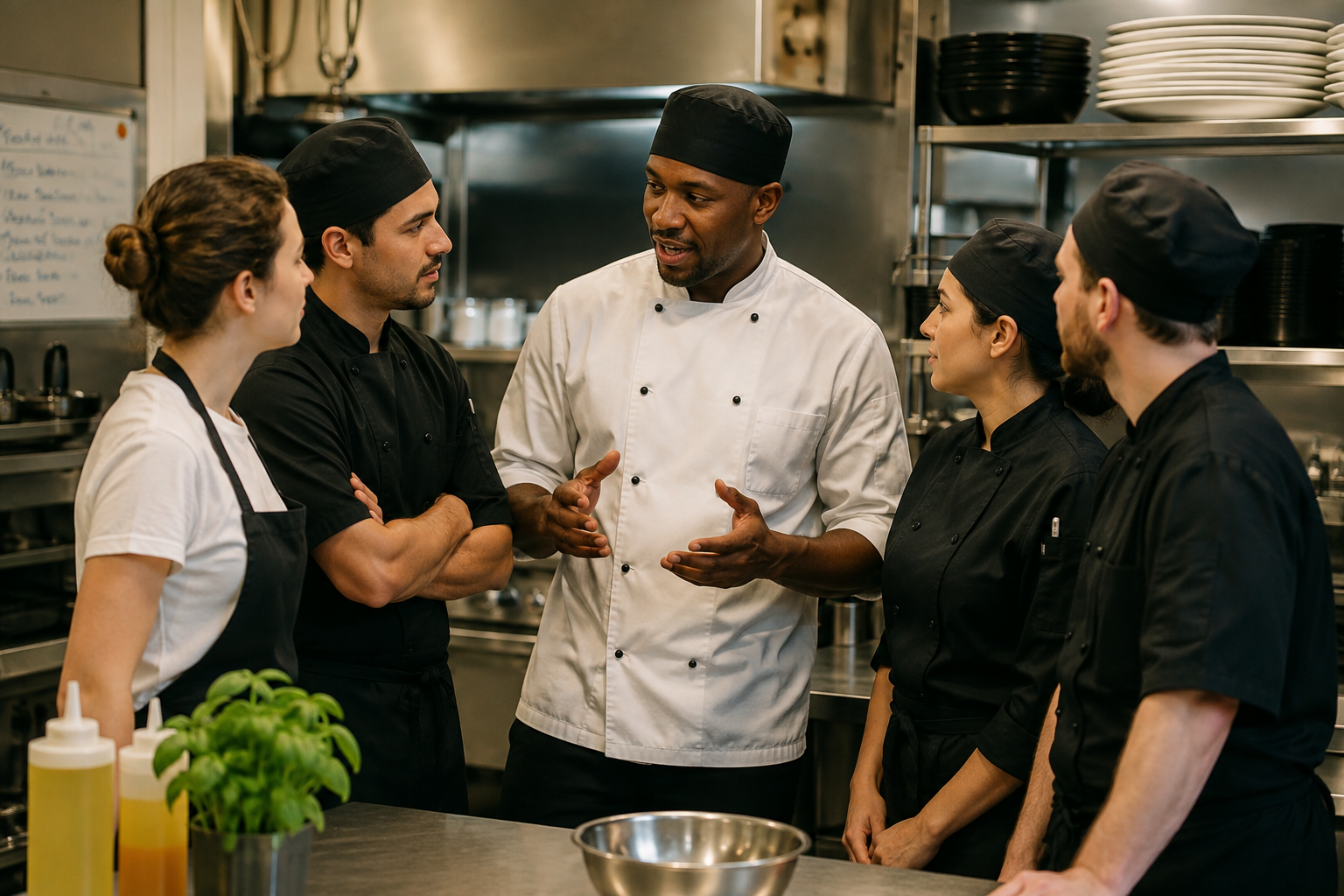
Consistent communication keeps food safety at the forefront of employees’ minds. Hold short team meetings before busy shifts to review important reminders, discuss recent inspection findings, or address recurring issues.
Posting visual reminders in food preparation areas can also reinforce proper procedures without interrupting workflow.
Recognize Good Habits
Positive reinforcement is often more effective than punishment. Acknowledge employees who consistently follow food safety procedures or demonstrate attention to detail.
Whether it’s verbal recognition during staff meetings or a simple employee-of-the-month program, rewarding good habits encourages others to follow suit.
Stay Prepared for Inspections
Restaurants with strong food safety cultures don’t scramble when inspectors arrive because they’re always inspection-ready.
Conduct periodic internal audits to identify areas for improvement before they become violations. Review documentation, inspect equipment, verify food storage practices, and ensure staff members understand current procedures.
Routine self-assessments help maintain high standards year-round while reducing stress during official inspections.
Create a Long-Term Mindset
Food safety isn’t a one-time initiative—it’s an ongoing commitment. Restaurants that consistently invest in education, leadership, communication, and accountability build trust with customers while protecting their reputation.
A strong food safety culture benefits everyone involved. Employees gain confidence, managers improve operational consistency, customers enjoy safer dining experiences, and the business is better positioned for long-term success.
By making food safety part of your restaurant’s everyday mindset rather than an occasional requirement, you’ll create a workplace where quality and customer well-being always come first.